

 +86-13386111894
 Products & Solutions
  en
en English
 Русский
 España
 عرب .
عرب .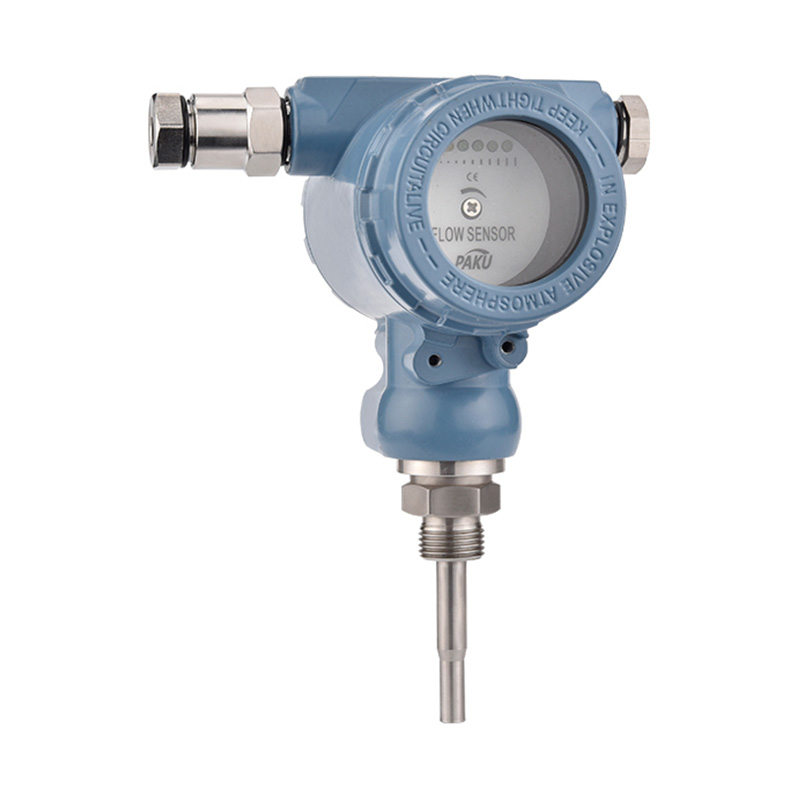
If you need any help, please feel free to contact us
inquire
Tank Overfill Protection Guide: Level Switches, Standards, and Safety Systems
A storage tank is being filled at full pump rate while the operator manages another task across the site. The level crosses 90 percent of capacity and keeps rising. If the only protection is a sight glass or a manual gauge, the next few minutes determine whether the tank overflows. Tank overfill protection is the combination of level sensing, alarms, and interlocks that keeps a tank within its safe operating volume. It is not an accessory; it is a safety function that must be designed, installed, and tested like any other critical control.
Why Tank Overfill Protection Matters
A tank that is filled beyond its safe capacity releases product through vents, overflow lines, or the opening itself. The released liquid can contaminate soil and groundwater, create a flammable atmosphere, damage nearby equipment, and force an immediate shutdown. The total cost goes far beyond the spilled product: cleanup, production loss, investigation, and potential fines can exceed the value of the liquid by a wide margin.
A properly implemented overfill protection system delivers three clear benefits:
- Product containment: the tank cannot be filled beyond the safe level, so no inventory is lost and no cleanup is triggered.
- Personnel and asset safety: flammable, toxic, or corrosive materials stay inside the tank.
- Compliance credibility: following accepted practices such as API RP 2350 shows regulators and insurers that the site manages overfill risk systematically.
The same protection logic applies to fuel storage, chemical tanks, water treatment basins, and food-processing vessels. The liquid and the tank change, but the objective stays the same: stop the fill before the tank is full. The industry section of this site shows how these requirements are applied in different process environments.
API 2350 and the Layered Approach to Overfill Prevention
The American Petroleum Institute's Recommended Practice 2350 is the most widely accepted guideline for overfill protection of petroleum storage tanks, and its principles are frequently applied to other liquids. It guides owners and operators in selecting, installing, operating, and testing overfill protection systems, with a strong emphasis on independent layers of protection.
The layered model can be summarized in three levels:
- Normal tank gauging or inventory control, which tells the operator how much liquid is in the tank.
- An independent high-level alarm and shutdown device, normally a point level switch, that triggers at a predefined setpoint.
- Administrative controls, including written procedures, operator training, scheduled functional tests, and documentation.
A commonly referenced benchmark is to initiate the overfill alarm at 90 percent of tank capacity or less, with a final independent shutdown before the liquid exceeds a higher setpoint. The exact values depend on tank geometry, fill rate, available ullage, and risk assessment. Equally important is independence: when multiple protection layers are required, the overfill switch should not share the same sensing port, cable, or control card as the normal level gauge.
Types of Overfill Protection Systems
Overfill prevention can be implemented with mechanical devices, electronic switches, continuous instruments, or combinations of all three. Each approach has strengths and limitations.
Mechanical float valves close the fill line directly when the liquid reaches the preset level. They need no electrical power, which suits remote locations and simple tanks, but their moving parts can foul, corrode, or jam, so regular inspection is essential.
Audible and visual alarms warn the operator when the tank reaches the alarm level. They are easy to install and effective in attended filling operations, but they depend on a human response to shut off the flow.
Electronic point level switches sense liquid at a defined mounting height and output an electrical signal that can trip a pump, close a valve, or drive an alarm. They respond quickly and integrate directly with PLC or DCS controls.
Continuous level transmitters provide real-time level data so the operator can see the fill trend and stop the transfer before the high-level setpoint is reached. They also support inventory control.
Safety-rated electronic systems add redundancy, diagnostics, and a defined safety integrity level for high-risk installations. They are more complex and more expensive, but they provide a quantified probability of failure on demand.
The table below summarizes these approaches in practice.
| Approach | Power Requirement | Typical Response | Best Fit |
| Mechanical float valve | None | Fill line closes at set level | Small tanks, remote sites, simple duties |
| Audible/visual alarm | Electrical | Operator stops the filling process | Attended refuelling and transfer points |
| Electronic point level switch | Electrical | Automatic relay or PLC interlock | Storage tanks with pump or valve control |
| Continuous level transmitter | Electrical | Real-time level indication | Large tanks needing inventory visibility |
| Safety-rated electronic system | Electrical | Redundant shutdown per SIL rating | High-risk, regulated, or congested sites |
Choosing the Right Level Instrument for Your Tank
Begin the selection process with the liquid and the tank, then move to the instrument. A device that works well in clean water may fail in a viscous or coated service, so the evaluation should start from process data, not from a catalogue.
Liquid and Environment Requirements
Liquid properties such as corrosiveness, conductivity, viscosity, foaming tendency, and vapour pressure determine which sensing principle will be reliable in that service. The tank environment adds constraints such as hazardous area classification, process temperature and pressure, nozzle size, and the distance to the control panel.
Point Level Switches for High-Level Alarms
For a dedicated high-level alarm, a point level switch is usually the right starting point because it detects liquid at one defined setpoint with no ambiguity. Three families of point level switches cover most tank duties.
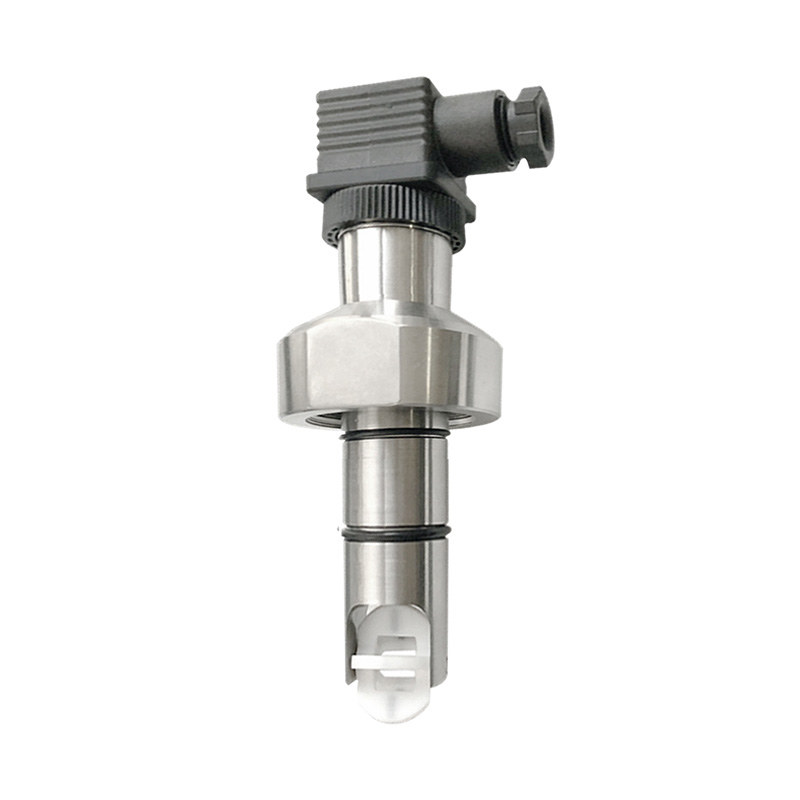
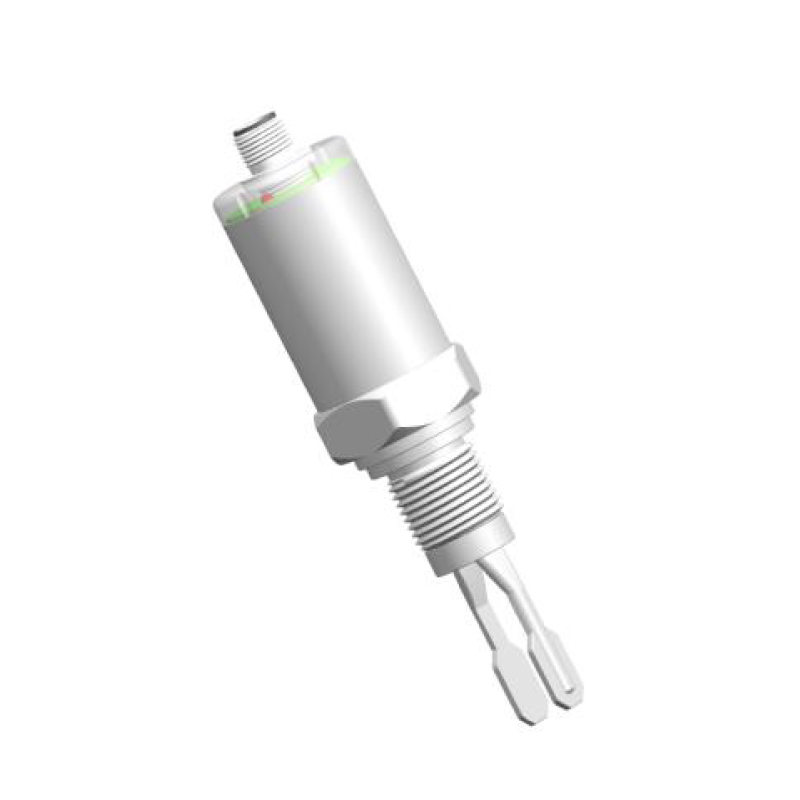
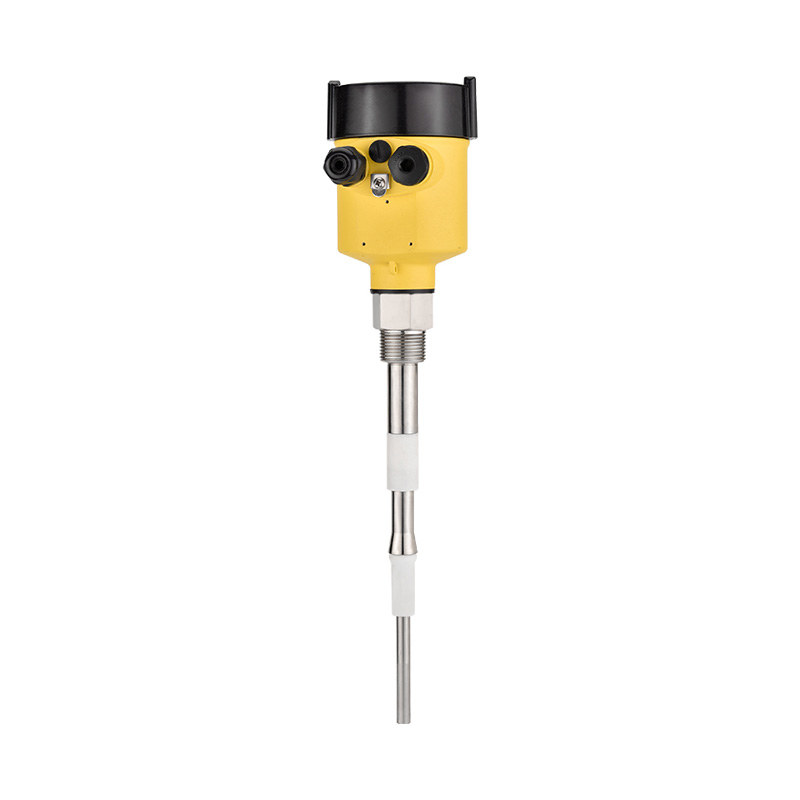
A tuning fork level switch suits a wide range of liquids. The fork vibrates at its natural frequency; when liquid covers it, the frequency shifts and the switch state changes. This principle is unaffected by foam, turbulence, or changing dielectric properties, and there are no moving parts to maintain. Our compact tuning fork level switch is designed for point level detection in process tanks and also handles empty-pipe and dry-run protection on transfer lines.https://www.pakusensors.comShanghai Kayuan Electronic Technology Co., LtdView Product →
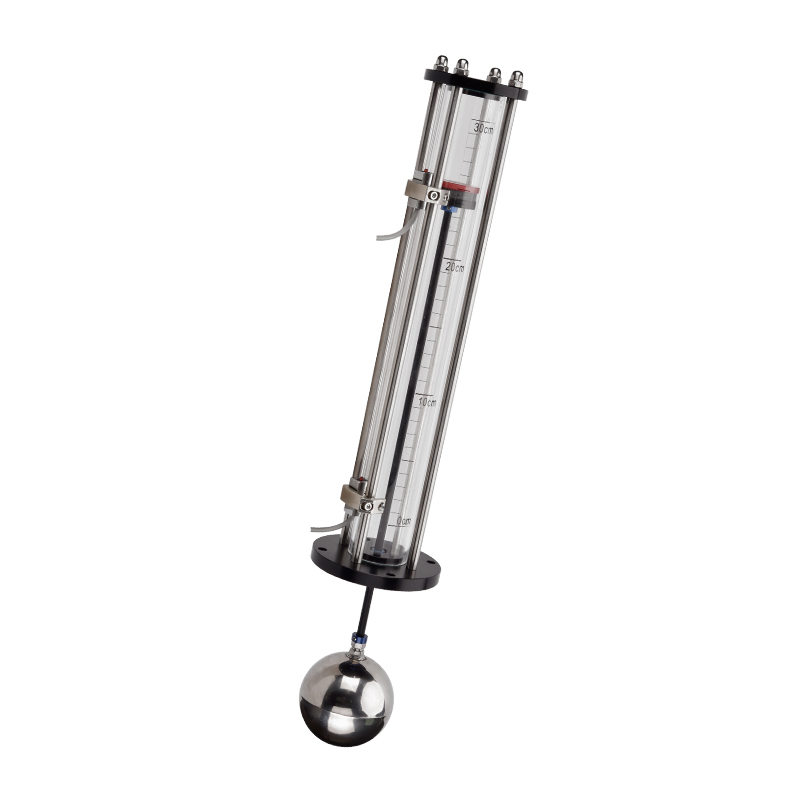
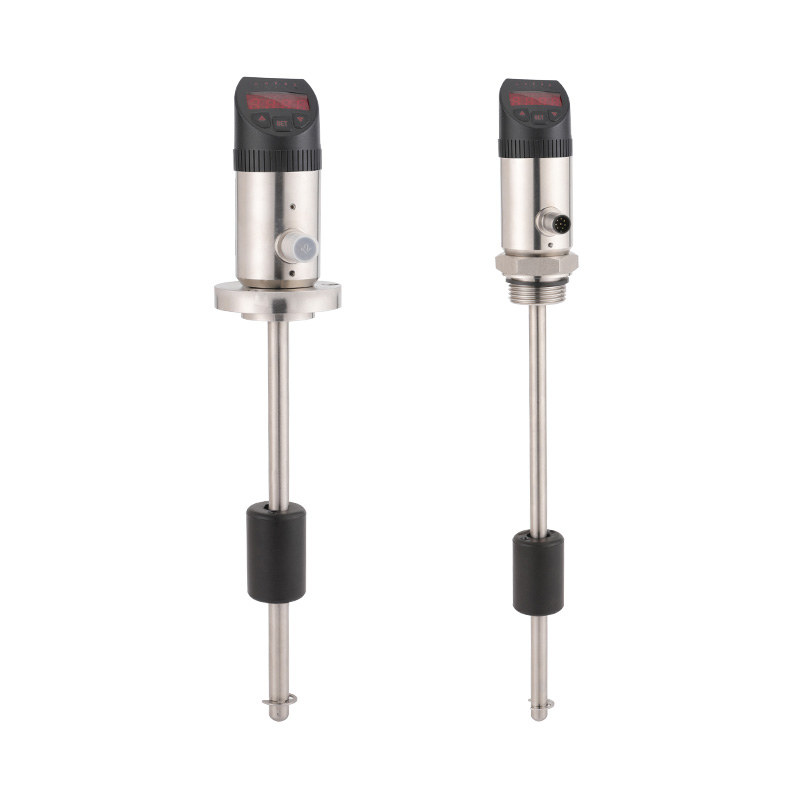
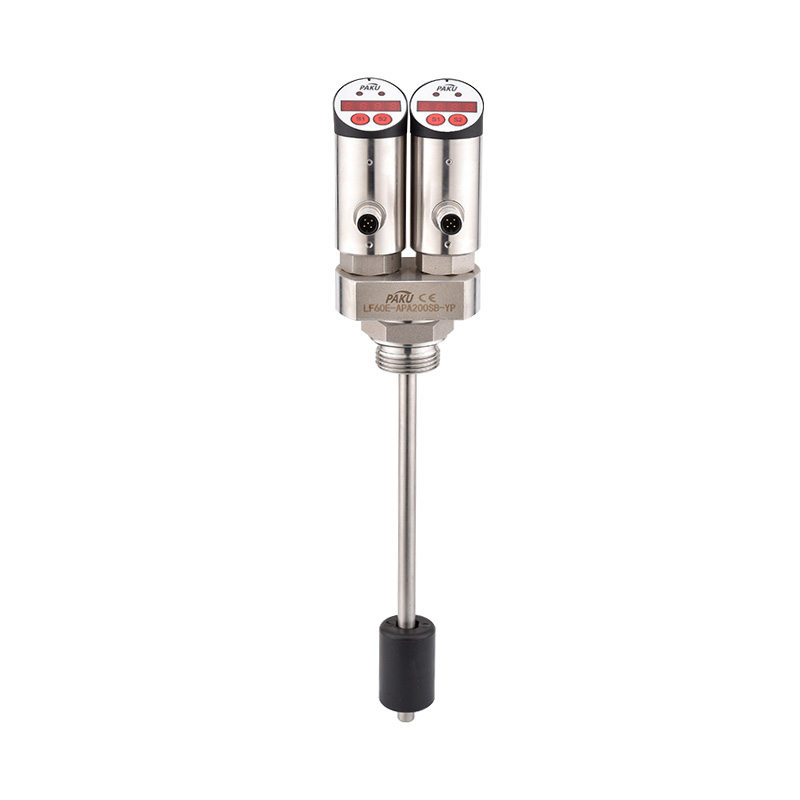
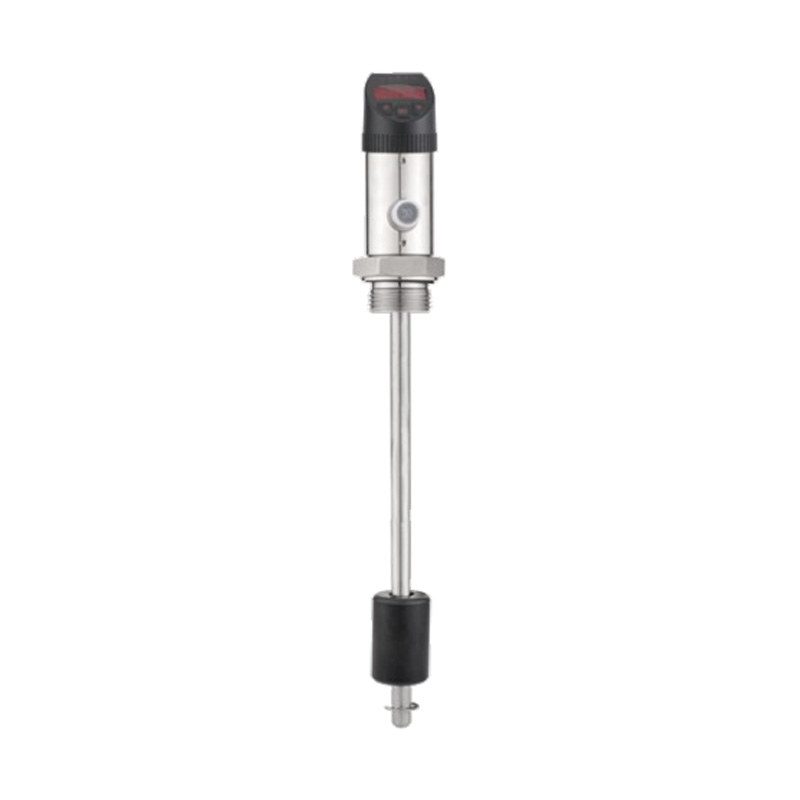
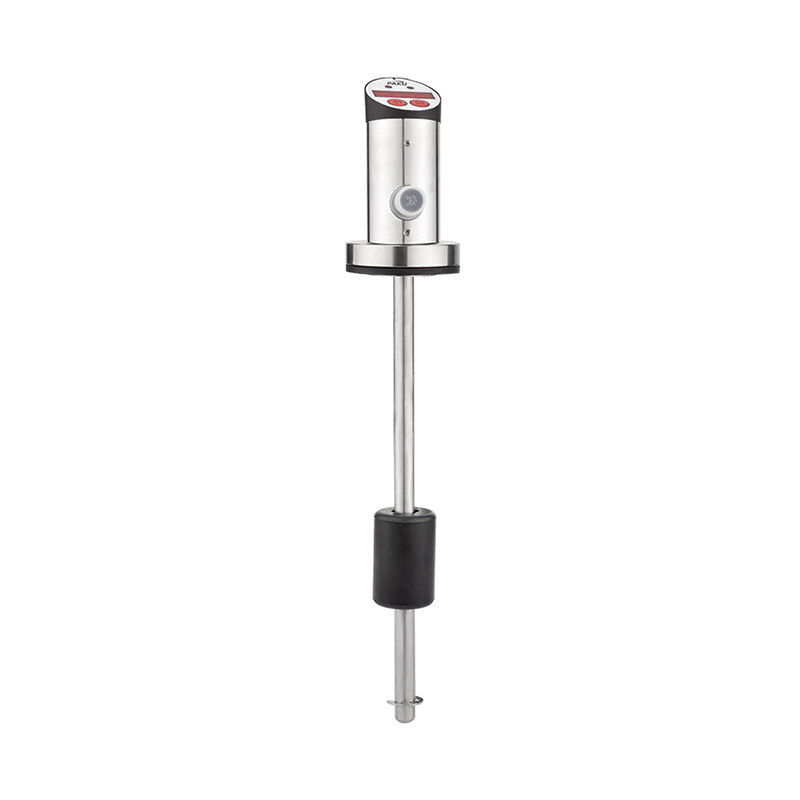
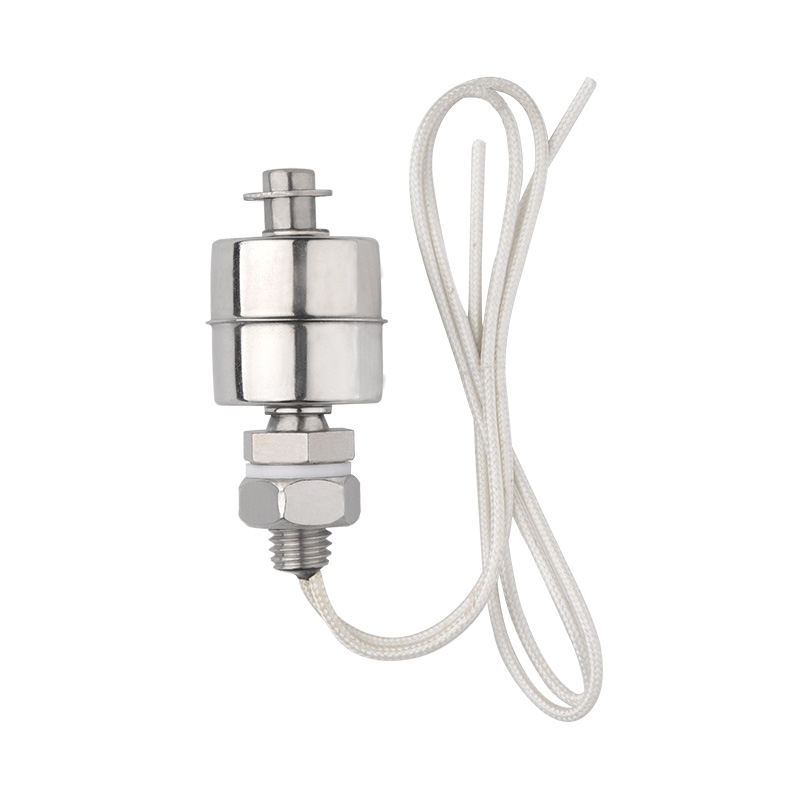
For economical, straightforward installations, a float type liquid level switch is time-tested. The float follows the liquid surface and operates a switch at the preset height. It is well suited to fuels, water, and light chemicals where the liquid is clean and the float moves freely.https://www.pakusensors.comShanghai Kayuan Electronic Technology Co., LtdView Product →
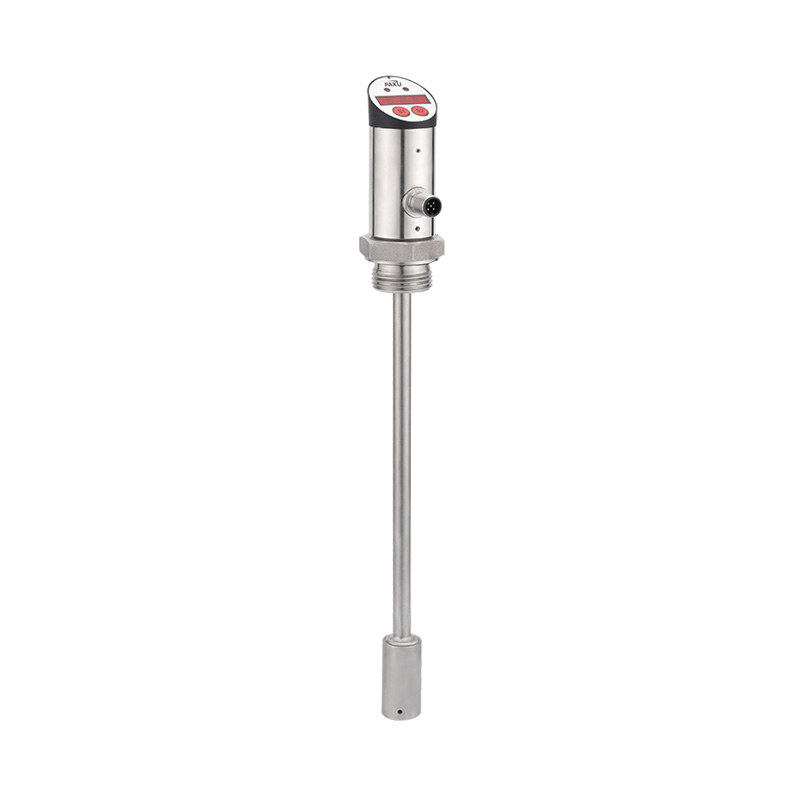
When the fill system is controlled remotely and the overfill device must send a wired signal back to the control system, an electronic liquid level switch is a clean choice. It detects the liquid without moving parts and provides a direct relay output that can be wired into a pump control circuit or an alarm annunciator.https://www.pakusensors.comShanghai Kayuan Electronic Technology Co., LtdView Product →
Continuous Instruments for Inventory Visibility
Beyond point level switches, a continuous instrument such as an ultrasonic level sensor or a hydrostatic level transmitter gives the operator a live level reading and a fill trend. Pairing a point level switch with a continuous transmitter satisfies both safety and inventory demands and is a common design for larger tanks.
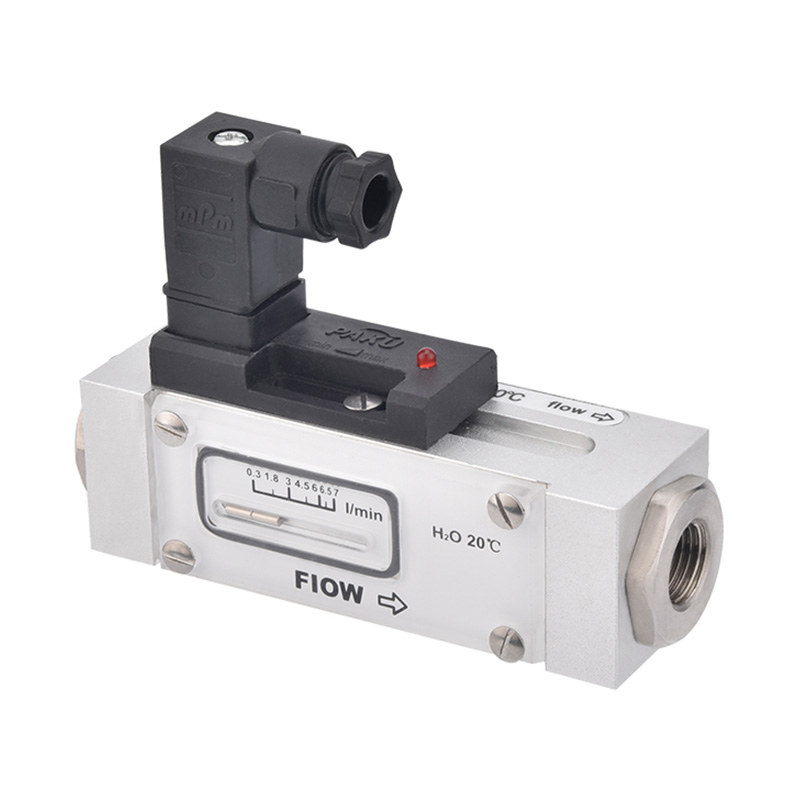
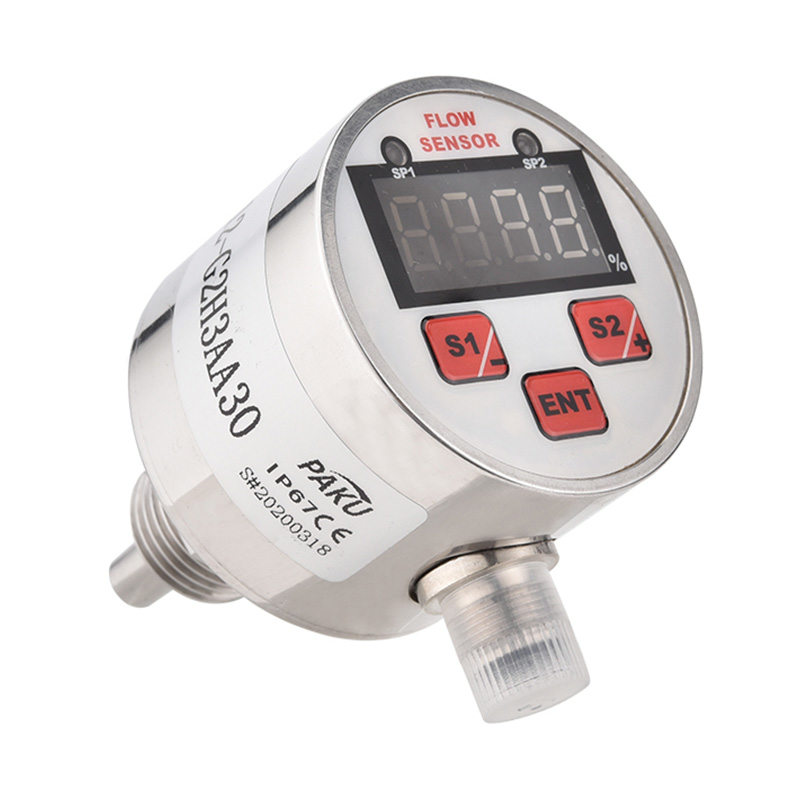
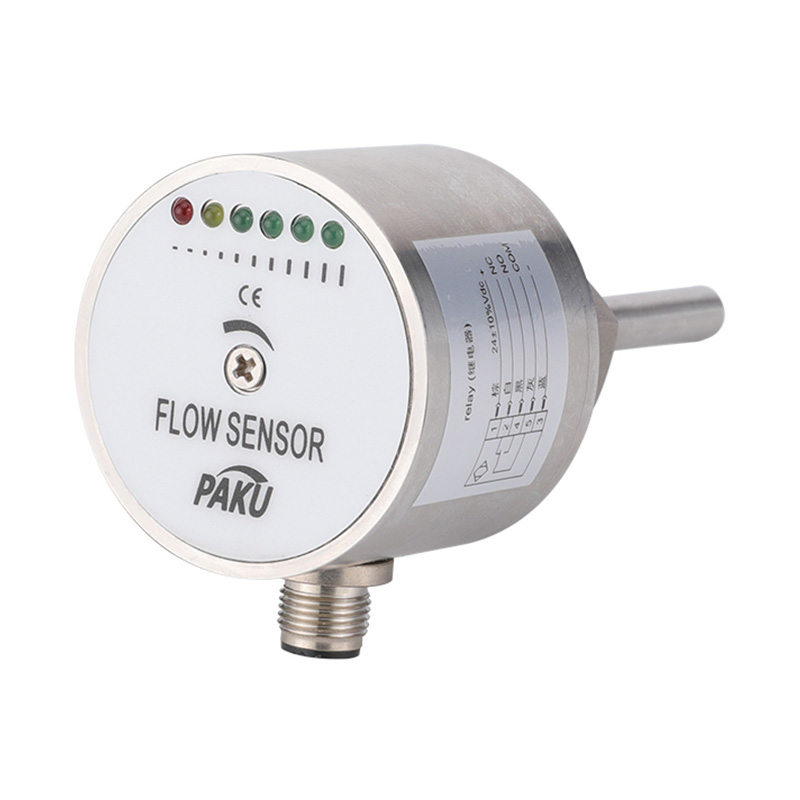
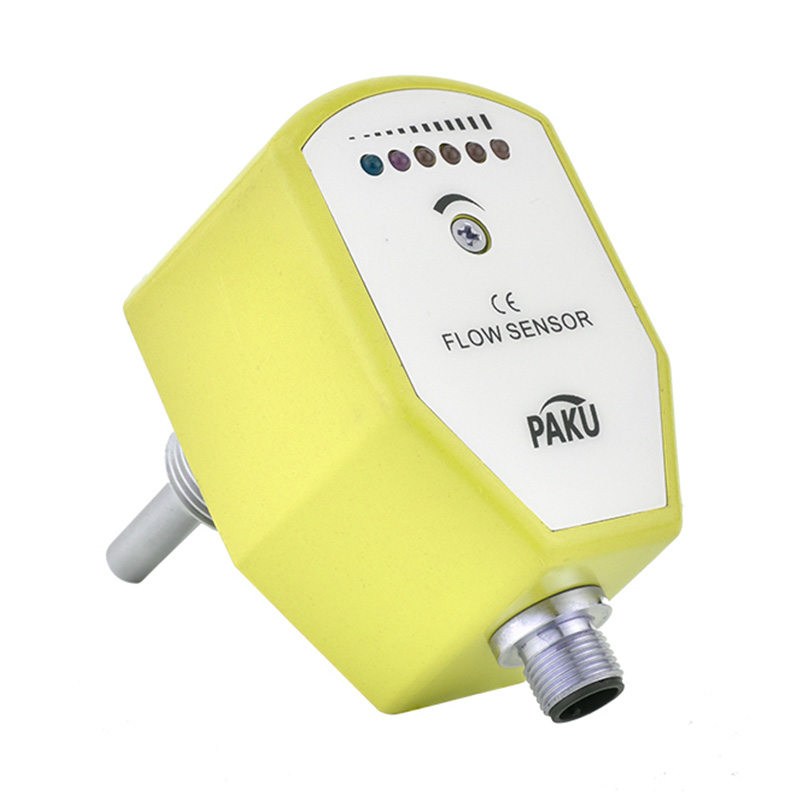
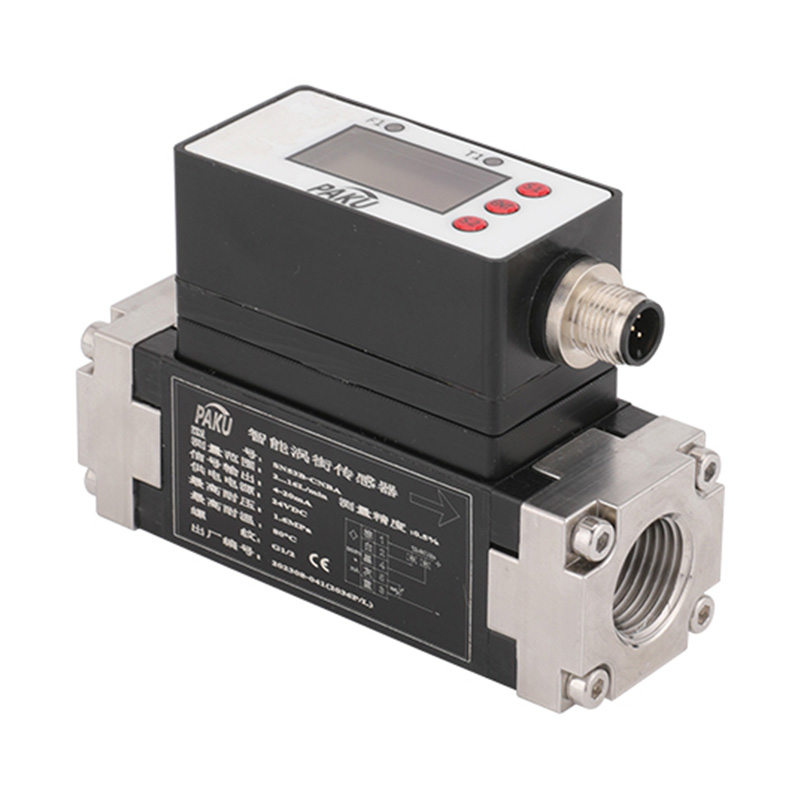
Where the transfer line itself needs low-flow or no-flow protection, electronic flow switches apply the same relay-based interlock approach and can be selected with a similar set of process criteria in mind.
Installation, Testing, and Maintenance
An overfill protection device is only as good as its installation and testing regimen. Well-run facilities follow a consistent set of practices:
- Commission the trip point. Mount the switch so that it actuates at the level defined in the risk assessment, commonly around 90 percent of capacity, and verify the actual trip level under test conditions.
- Keep the overfill layer independent. Do not share the sensing port, wiring, or controller with the normal gauging system when independent protection is required.
- Test on a schedule. Functional tests should confirm that the switch, its relay, and the shutdown circuit all operate. Annual testing is a common minimum for many tanks; higher-risk services call for more frequent intervals.
- Inspect the wetted parts. Sediment, product coating, corrosion, and cable damage can shift the response point. Include the sensor, cable entry, and enclosure seal in routine inspections.
- Document everything. Records of setpoints, test dates, results, and corrective actions build the evidence base that regulators, insurers, and auditors look for.
Answers to common level switch questions, from wiring and output options to setpoint adjustments, are collected in the FAQ section of this site.
Building a Reliable Overfill Protection System
The decisions that determine whether a tank overfills are usually made before the filling starts. Define the safe fill level. Choose a detection technology matched to the liquid. Install the instrument at the correct height, keep the overfill circuit independent, and test it on schedule. When these steps are done consistently, overfill protection becomes a dependable, quiet part of daily operation.
For anyone reviewing an existing tank or designing a new one, the route is the same: identify the fill scenario, set the alarm and shutdown setpoints, and select the level instrument from a supplier that can explain how each device performs in real process conditions.
information
 [email protected]
 +86-13386111894 / +86-021-37566990
[email protected]
 B-4th Floor, Lane 1313, Nanting Road, Nanqiao Town, Fengxian District, Shanghai, China

Product Links