

 +86-13386111894
 Products & Solutions
  en
en English
 Русский
 España
 عرب .
عرب .
If you need any help, please feel free to contact us
inquire
Capacitive Fluid Level Sensor: Principles, Types & Technology Comparison
The Physics Behind Capacitive Fluid Level Sensing
A capacitive fluid level sensor measures liquid height by detecting how much of its probe is immersed in liquid at any given moment — and it does this without a single moving part. The underlying physics come from the parallel-plate capacitor equation: C = ε × A / d, where C is capacitance, ε is the dielectric constant of the material between the electrodes, A is the electrode surface area, and d is the distance between them. In a level sensor, A and d are fixed by the physical dimensions of the probe. Only ε changes — and it changes sharply when liquid displaces air along the probe length, because the dielectric constant of most liquids (water ≈ 80, oils ≈ 2–4, solvents ≈ 4–40) is significantly higher than that of air (ε = 1).
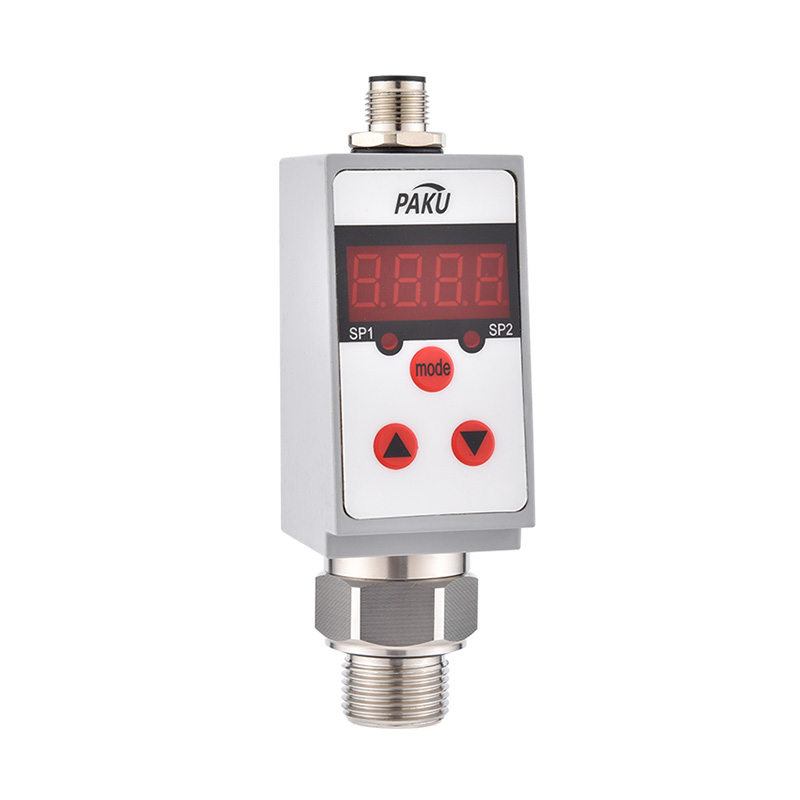
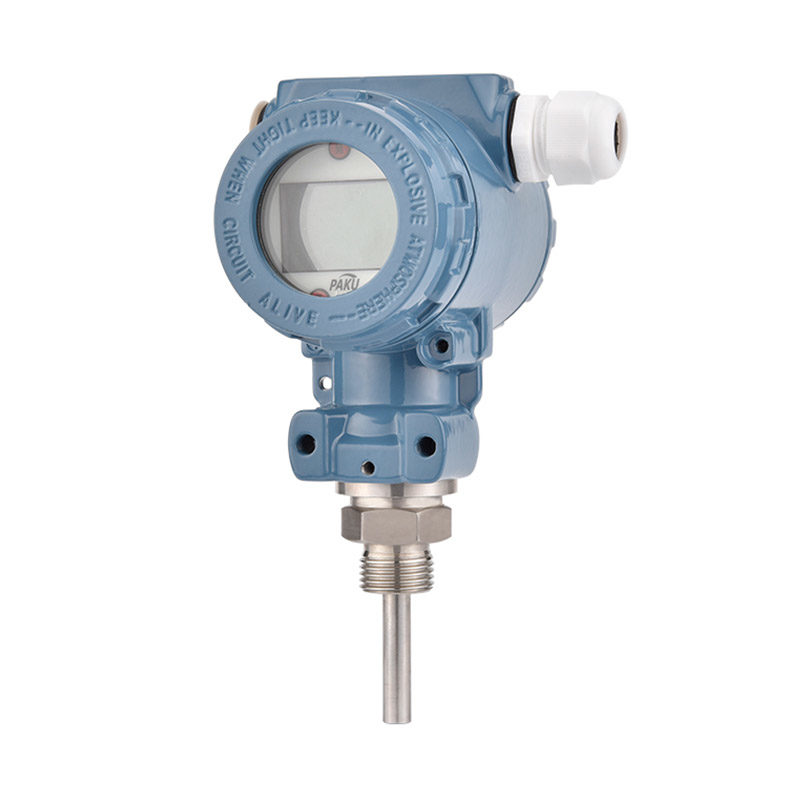
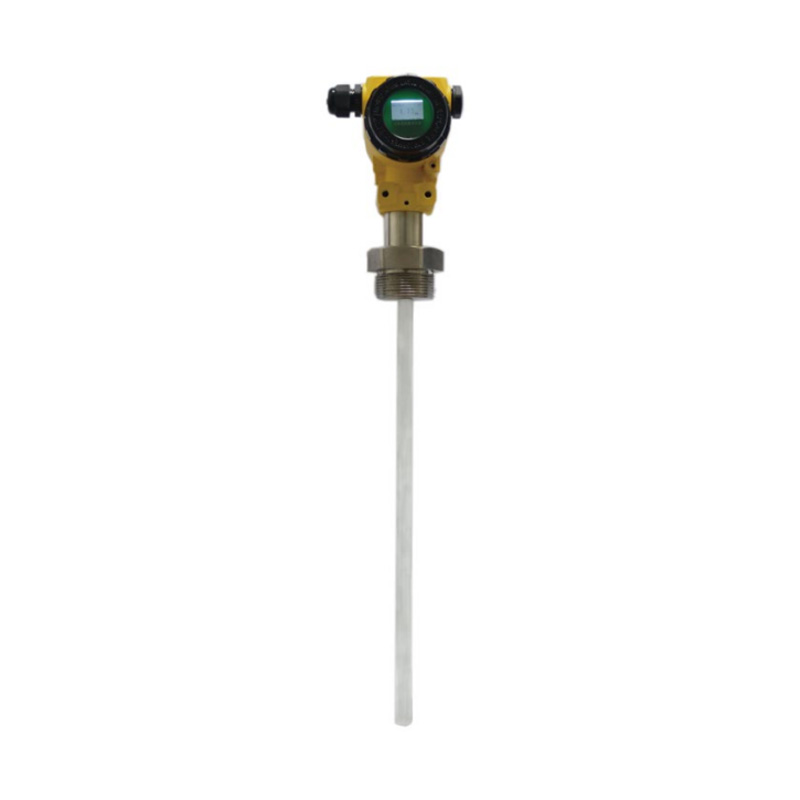
As the fluid level rises, more probe surface is covered by liquid rather than air. The effective dielectric increases proportionally, raising the measured capacitance. The sensor's electronics — typically a high-frequency oscillator circuit — convert that capacitance value into an output signal. For continuous level measurement, this becomes a 4–20 mA analog output proportional to level height. For point detection, it becomes a binary switch signal. The LFP series RF capacitance level transmitter applies this principle with radio-frequency excitation for accurate continuous measurement across a full range of conductive and non-conductive process fluids.
Insertion vs Immersion: Two Sensor Configurations
Capacitive fluid level sensors are manufactured in two physical configurations, each suited to different vessel types and measurement requirements.
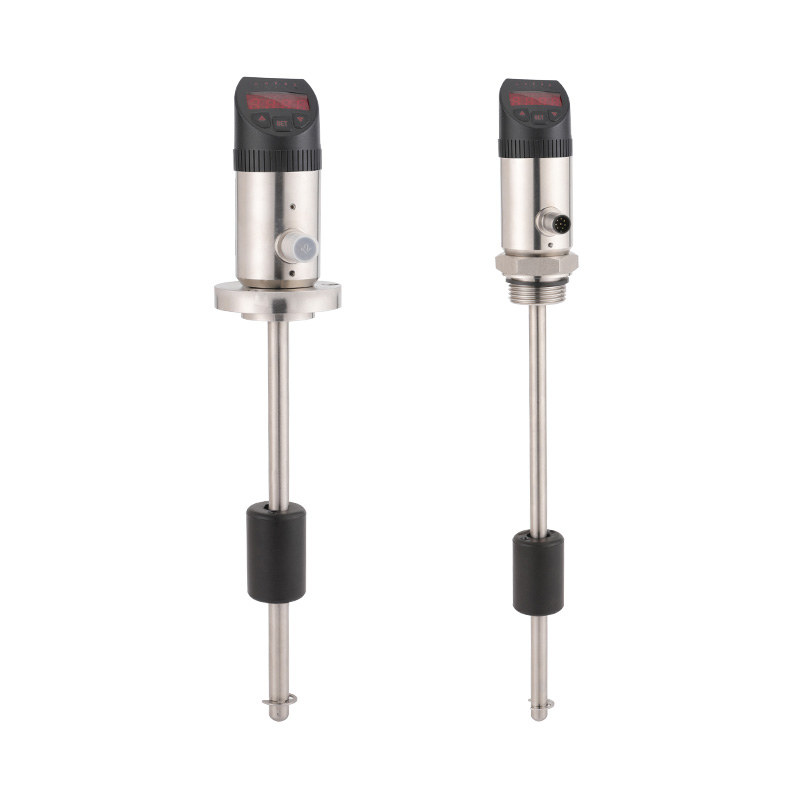
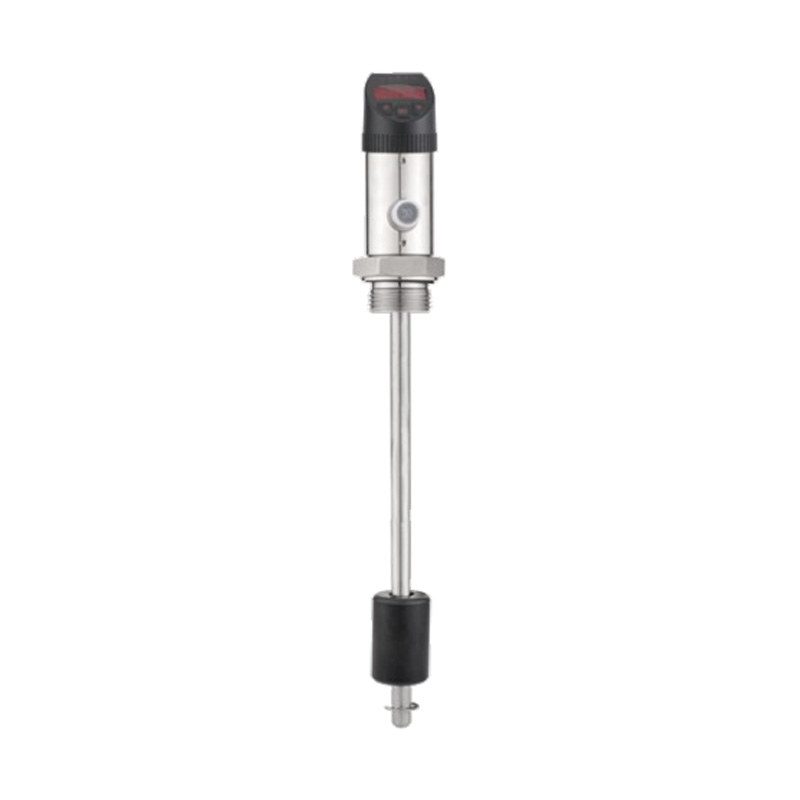
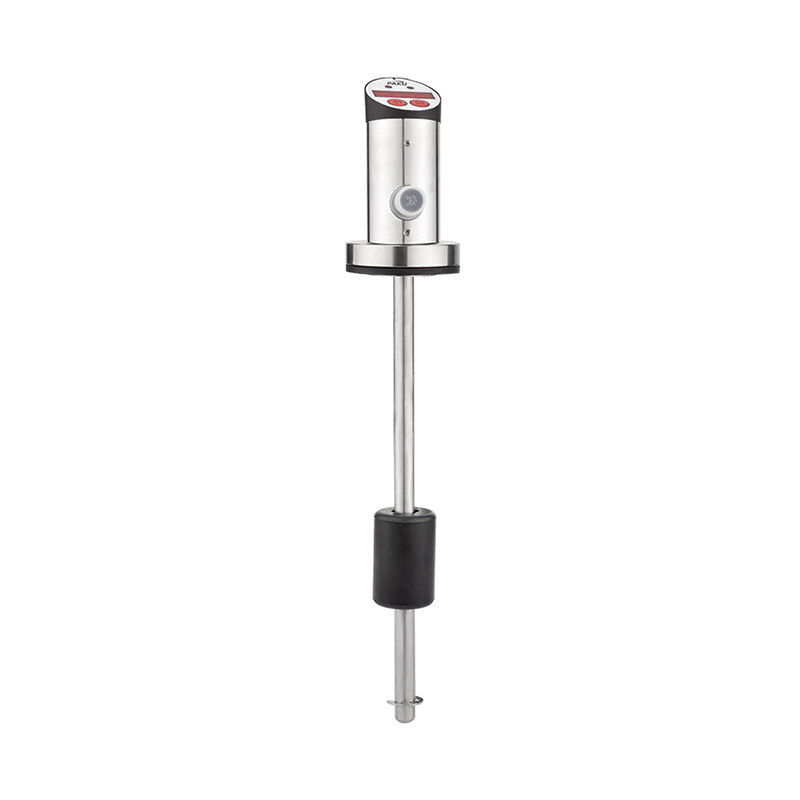
Insertion-type sensors are installed through a port in the side wall or top of the tank, with the probe extending into the liquid. The probe may carry one or two electrodes depending on design: a single-electrode rod probe uses the tank wall as the return conductor (suitable for metal tanks), while a coaxial double-electrode design incorporates its own reference electrode inside the probe body (required for non-metallic tanks or insulated vessels). Insertion probes are the standard choice for tanks and process vessels where permanent installation is preferred and the probe length can be matched to the measurement range. Probes typically range from 100 mm to 2,000 mm for rod designs; cable probes extend this to 10 meters or more for tall silos and underground storage tanks.
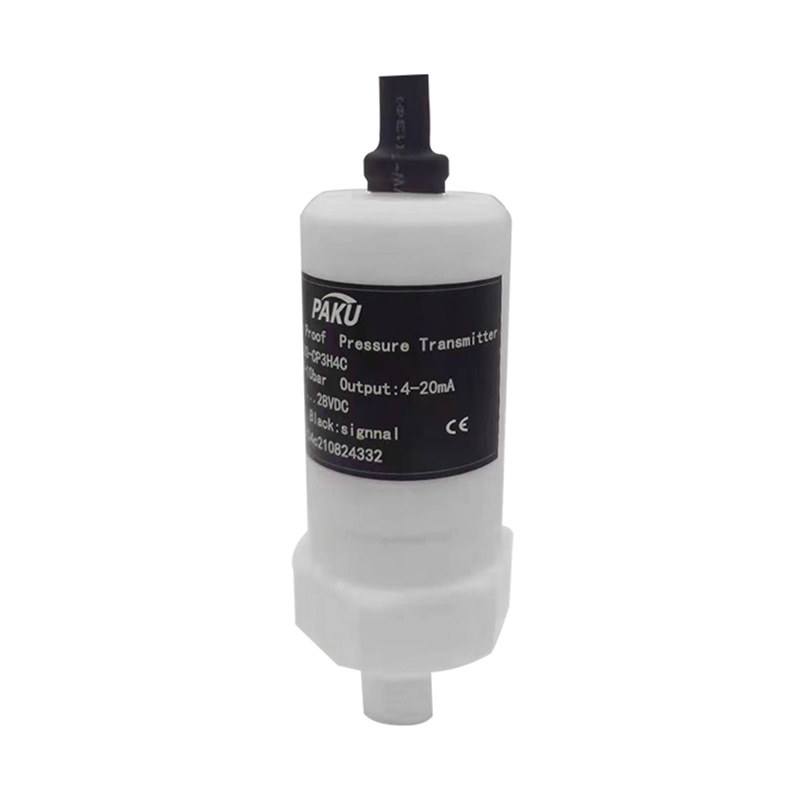
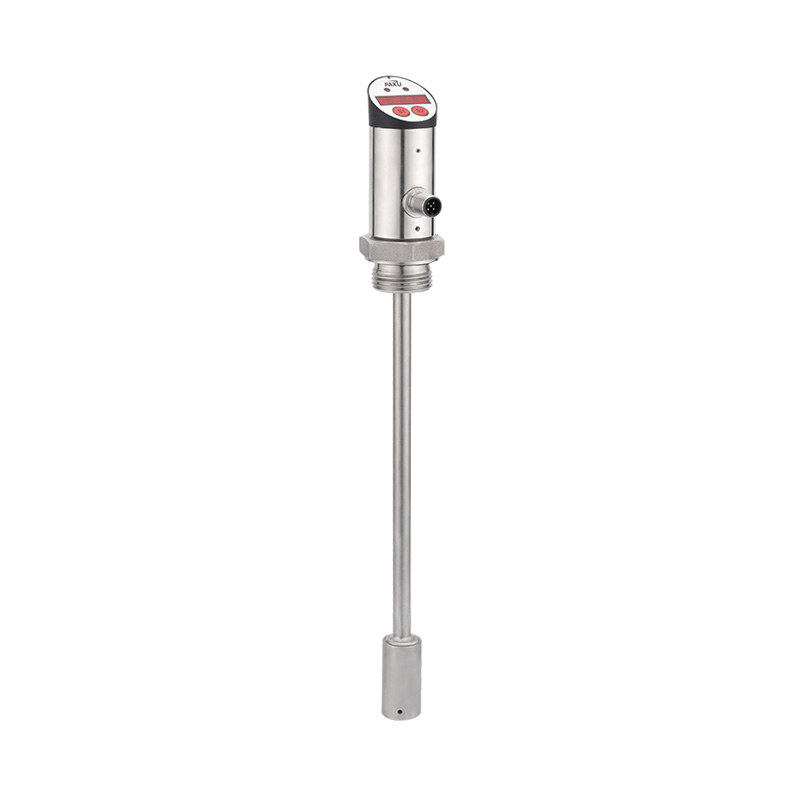
Immersion-type sensors are designed to be fully submerged. The probe is sealed for continuous fluid contact and is typically constructed with PTFE, PFA, or ceramic outer surfaces to resist chemical attack. Immersion sensors are used in sumps, open basins, and applications where the sensor must remain below the minimum fluid level at all times — including submersible pump protection systems and wastewater wet wells. Unlike insertion probes, they do not create a mounting point above the liquid surface, which reduces the risk of vapor leakage in volatile or hazardous fluid service. For continuous non-contact level measurement as an alternative approach, the liquid level sensor product range also includes ultrasonic variants for applications where probe contact is not desired.
Dielectric Constants and Fluid Compatibility
The dielectric constant of the process fluid is the single most important parameter in specifying a capacitive fluid level sensor. It determines sensor sensitivity, required probe length, and whether standard or RF admittance technology is needed.
| Fluid | Dielectric Constant (ε) | Sensing Difficulty |
|---|---|---|
| Deionized / Pure Water | ~80 | Easy — strong signal |
| Aqueous Process Solutions | 40–80 | Easy — standard probe |
| Alcohols (ethanol, methanol) | 20–35 | Moderate — standard probe |
| Acetone / Ketones | 18–22 | Moderate — standard probe |
| Hydraulic Oil / Lubricants | 2–5 | Difficult — high-sensitivity or RF admittance |
| Diesel / Petrol / Fuel Oil | 2–4 | Difficult — high-sensitivity or RF admittance |
| Liquid Nitrogen / Cryogenics | 1.4–2.0 | Very difficult — specialized design required |
Fluids with ε above 10 generate a strong, unambiguous capacitance change and are reliably detected by any standard capacitive sensor. Fluids with ε below 5 — including most hydrocarbons and dry organic solvents — require either a higher-sensitivity sensor calibrated for the specific fluid, or an RF admittance design that compensates for the weak dielectric signal. Below ε ≈ 1.5, standard capacitive technology reaches its practical detection limit. For these applications, ultrasonic, radar, or hydrostatic pressure measurement should be considered instead.
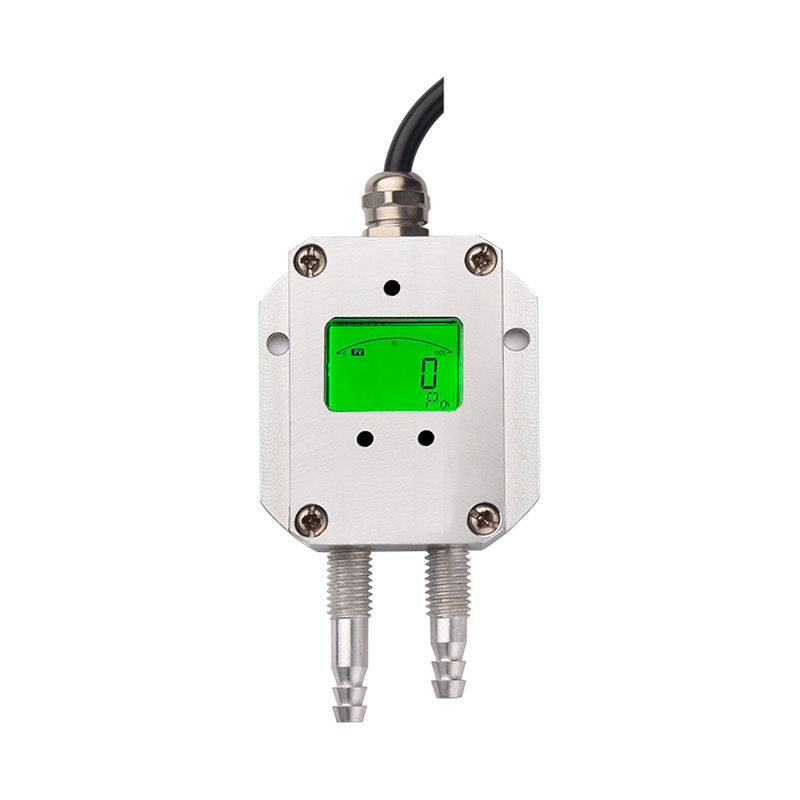
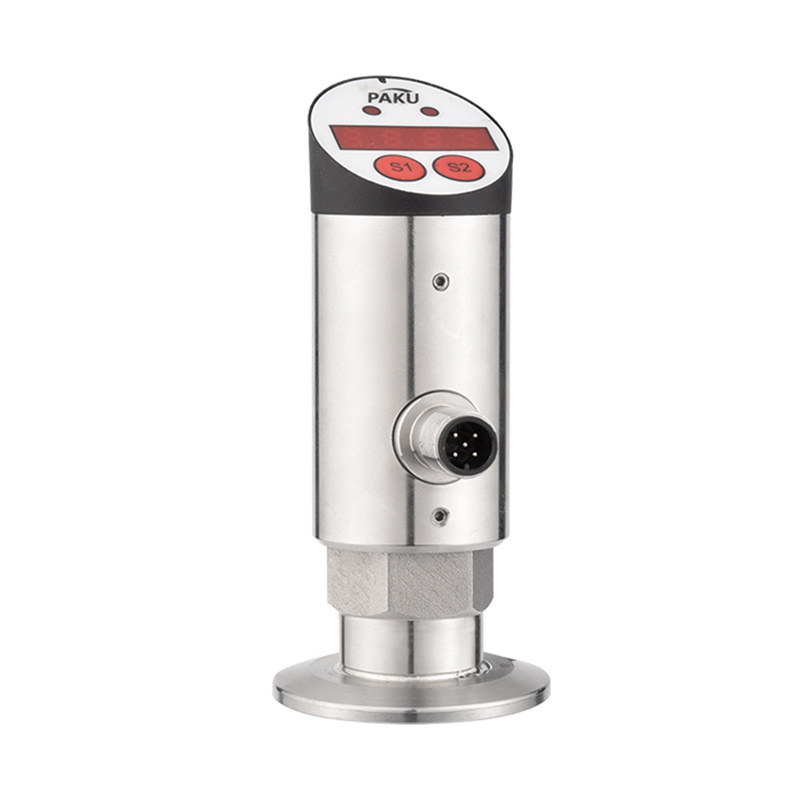
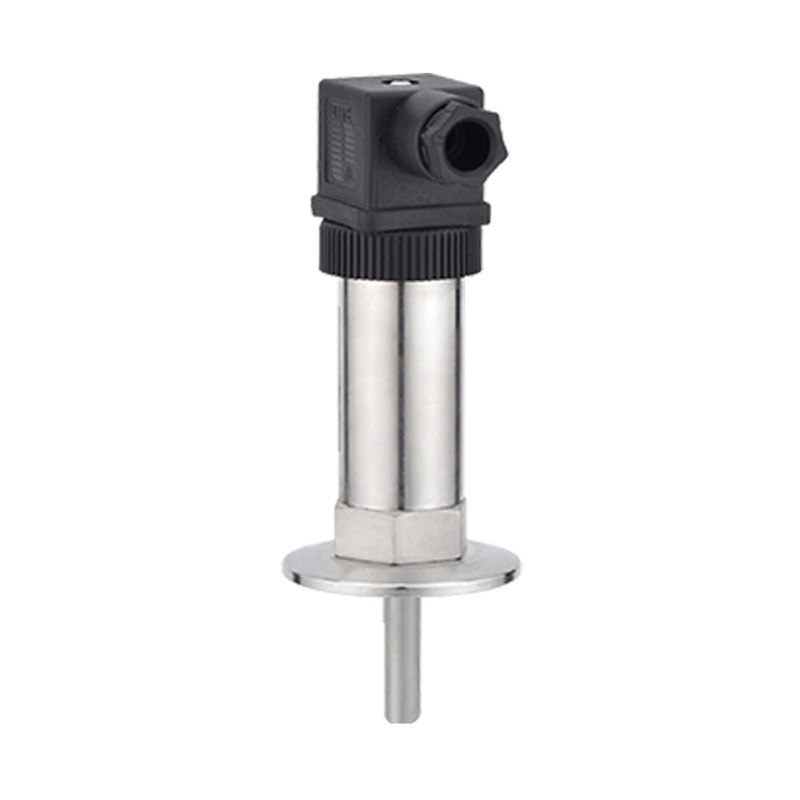
For applications combining level sensing with pressure-based measurement — particularly in closed pressurized vessels where direct probe insertion is constrained — the capacitive pressure and liquid level transmitter PN52C provides an alternative measurement path using hydrostatic pressure with capacitive sensing technology at the diaphragm.
Continuous Measurement vs Point Detection: Choosing the Right Output Mode
Capacitive fluid level sensors are available in two fundamental output configurations, and selecting between them should be driven by the control system requirement rather than the sensor technology itself — the underlying physics are the same in both cases.
Continuous level transmitters output a 4–20 mA analog signal (or digital protocol such as HART, Modbus, or IO-Link) proportional to the measured level height. A probe covering 0–1,000 mm of vessel height, for example, will output 4 mA when empty and 20 mA when full, with intermediate values tracking the actual level linearly. This mode is used wherever inventory management, process control, or trending data is required. The full probe length must be sized to match the operating range of the vessel.
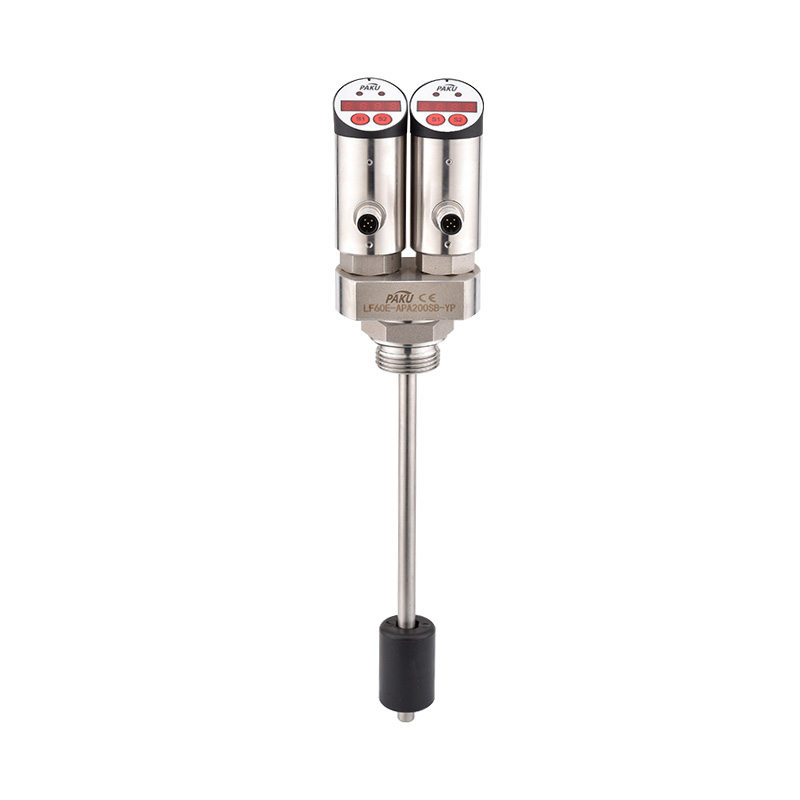
Point-level switches provide a single binary output — ON or OFF — when the fluid reaches the probe tip. They are used for high-level alarms, low-level pump shutdowns, and batch fill control, where only one threshold per device is needed. Multiple switches can be installed at different heights on a single vessel to provide staged alarms or multi-point control. For a compact switch format well suited to tight vessel nozzle sizes, the miniature capacitive level switch LF100D combines a fully insulated probe with a compact housing for installation in vessels with limited access clearance.
The two modes can be combined in a single installation: one continuous transmitter for level control and two point switches — one high-high and one low-low — as independent safety interlock circuits. Keeping the safety switches on separate instruments from the control transmitter ensures that a single instrument failure cannot simultaneously disable both control and protection functions.
RF Admittance: Capacitive Sensing for Coating and Buildup Conditions
Standard capacitive level sensors are susceptible to false readings when process material coats the probe between measurement cycles. If a residual film of liquid or paste remains on the probe after the level drops, its capacitance contribution can hold the sensor output in the "material present" state even when the vessel is empty — causing false high-level alarms and preventing proper inventory management.
RF admittance technology solves this by measuring both capacitance and conductance simultaneously using a radio-frequency excitation signal. The admittance of a clean wet probe differs measurably from the admittance of a coated probe: the coating circuit contribution can be mathematically isolated and subtracted from the process signal in real time. The result is a sensor output that reflects actual fluid level rather than probe coating state, without requiring manual cleaning between cycles.
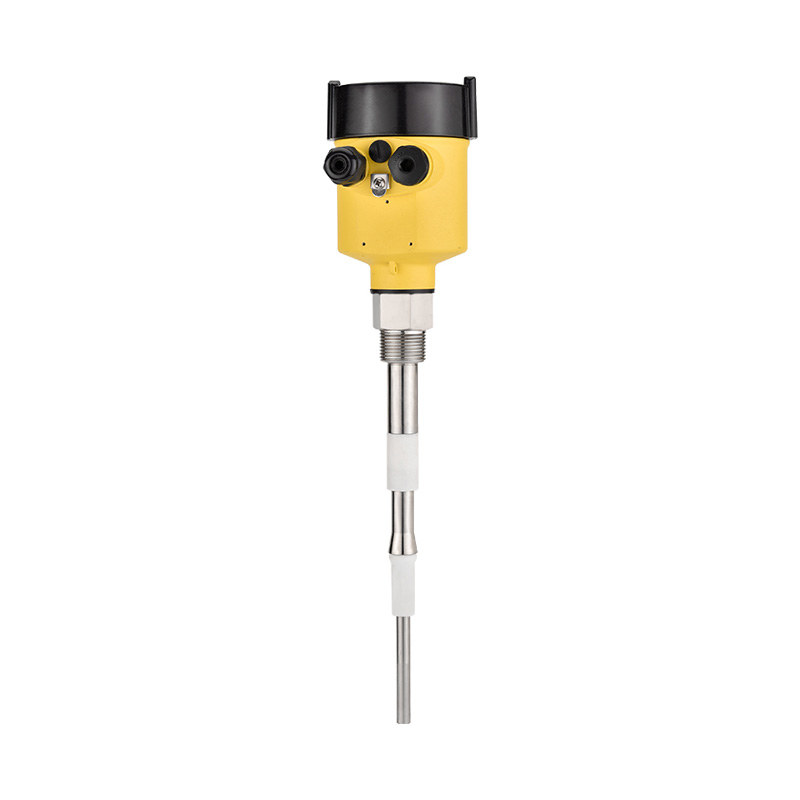
RF admittance is the preferred technology for: viscous liquids that cling to probe surfaces (heavy oils, syrups, adhesives); crystallizing solutions that deposit scale on the probe (brine, caustic, sugar); slurries and sludges with solid particles that settle on the probe between level events; and foam-forming applications where the foam layer has a different dielectric constant than the bulk liquid. The LFP series RF capacitance level transmitter incorporates this coating compensation technology for reliable continuous measurement in exactly these challenging service conditions.
Capacitive Fluid Level Sensor vs Competing Technologies
Every level measurement technology has a domain where it outperforms alternatives. Understanding where capacitive sensors win — and where they don't — drives better engineering decisions.
vs Ultrasonic sensors: Ultrasonic sensors are non-contact and unaffected by fluid properties, but they require a clear acoustic path to the liquid surface and struggle with foaming liquids, vapors, and turbulence. Capacitive sensors are unaffected by foam or vapor above the liquid, but require probe contact with the medium. For outdoor open tanks with clean water or aggregate, ultrasonic wins on simplicity. For foam-forming chemical tanks, capacitive is more reliable.
vs Float switches: Float switches are low-cost and require no calibration, but mechanical parts fail in viscous, sticky, or abrasive media. Capacitive sensors have no moving parts and maintain accuracy indefinitely in chemically aggressive service. For clean water applications in non-critical service, floats remain cost-effective. For chemical storage, a capacitive switch eliminates the recurring failure mode.
vs Hydrostatic pressure transmitters: Pressure-based level measurement is immune to dielectric constant variations and works well for conductive and non-conductive fluids alike. However, it requires knowledge of fluid density and fails when density varies (temperature, concentration changes). Capacitive sensors are density-independent and work through tank walls for non-contact measurement. For a submersible option in open sumps and wells, the submersible static pressure level transmitter LF70A provides a hydrostatic measurement alternative for those applications where probe submersion is acceptable and fluid density is stable.
The practical conclusion is that capacitive fluid level sensors occupy a wide middle ground: more robust than mechanical switches, less expensive than radar, compatible with a broader fluid range than ultrasonic, and more compact than guided-wave radar designs. For tanks handling corrosive, viscous, or variable-chemistry fluids at moderate process conditions — which describes the majority of industrial liquid storage — capacitive technology provides the best combination of performance, reliability, and installation simplicity.
information
 [email protected]
 +86-13386111894 / +86-021-37566990
[email protected]
 B-4th Floor, Lane 1313, Nanting Road, Nanqiao Town, Fengxian District, Shanghai, China

Product Links