

 +86-13386111894
 Products & Solutions
  en
en English
 Русский
 España
 عرب .
عرب .
If you need any help, please feel free to contact us
inquire
Capacitive Liquid Level Sensor: How It Works and Selection Guide
How Capacitive Level Sensing Works
A capacitive liquid level sensor forms one plate of a capacitor out of an insertion probe, while the tank wall (or a second reference rod) forms the other. The liquid between them acts as the dielectric material. As liquid rises along the probe, it displaces air, and because water's relative permittivity sits around 80 against air's roughly 1, capacitance climbs sharply and predictably with level.
That single relationship, capacitance change tracking liquid height, is what makes the technology attractive for tanks holding corrosive or hard-to-see fluids. There is no float, no moving arm, and nothing mechanical to seize up or foul with sediment, which is why capacitive designs show up so often in chemical storage, wastewater, and food-grade tanks where float switches struggle.
Where this gets more nuanced is signal processing. A basic probe measures raw capacitance, which drifts if residue coats the rod over time. RF admittance designs add a driven guard electrode that cancels out that coating effect, holding calibration steady even in sticky or scale-forming liquids.
Point-Level Switches vs. Continuous Transmitters
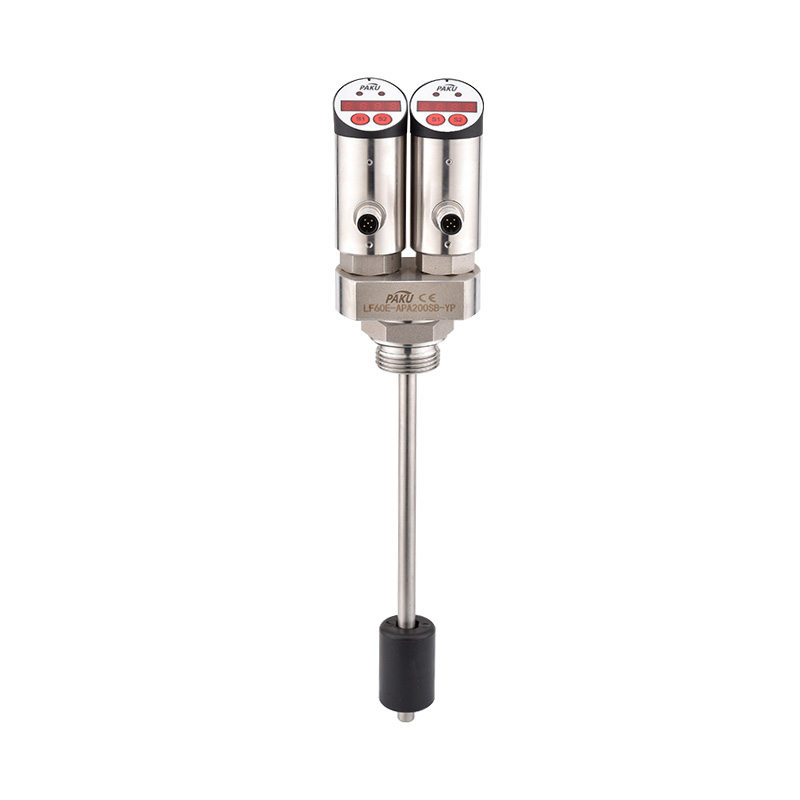
Not every application needs a full analog reading. A point-level switch fires a single output when liquid crosses one fixed height, which is exactly what a high-level alarm or a pump cutoff needs and nothing more. It is simpler to wire, cheaper to install, and easier to troubleshoot because there is only one threshold to verify.
A continuous transmitter, by contrast, outputs a proportional signal (commonly 4-20mA) across the full probe length, giving a real-time percentage or volume reading rather than a single trip point. That distinction should drive the purchase decision more than brand or price:
- Choose a switch when you only need overfill protection or a dry-run cutoff
- Choose a transmitter when inventory tracking or process control needs a continuous value
- Multiple switches at different heights can substitute for a transmitter in low-budget setups, at the cost of resolution
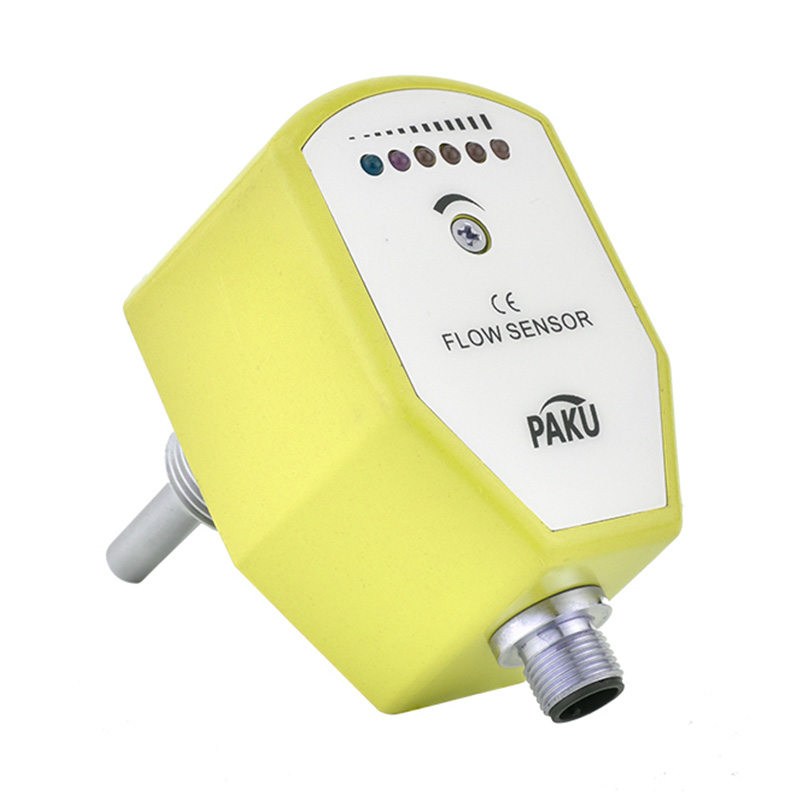
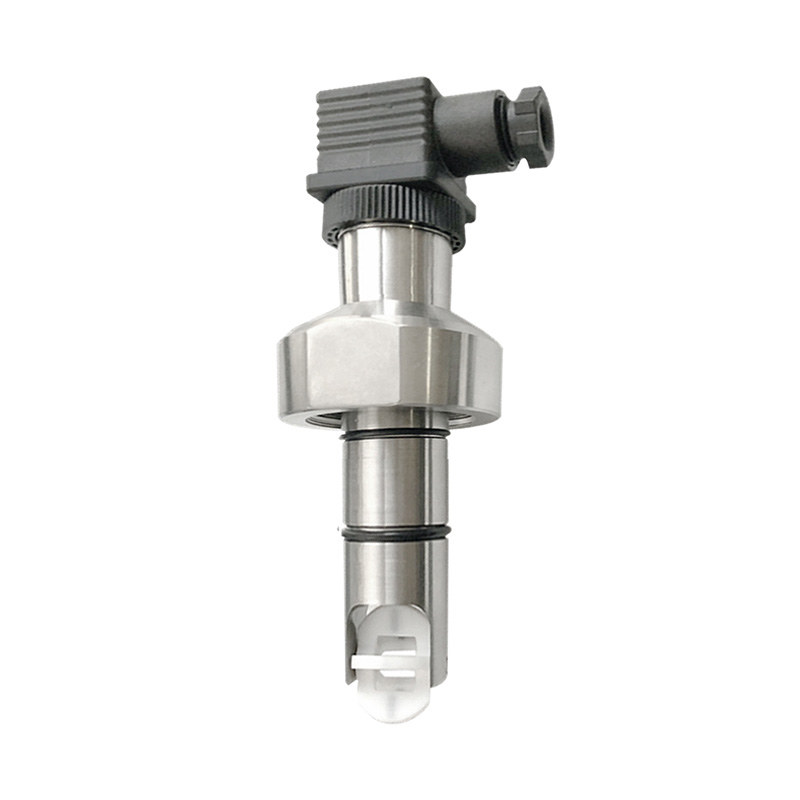
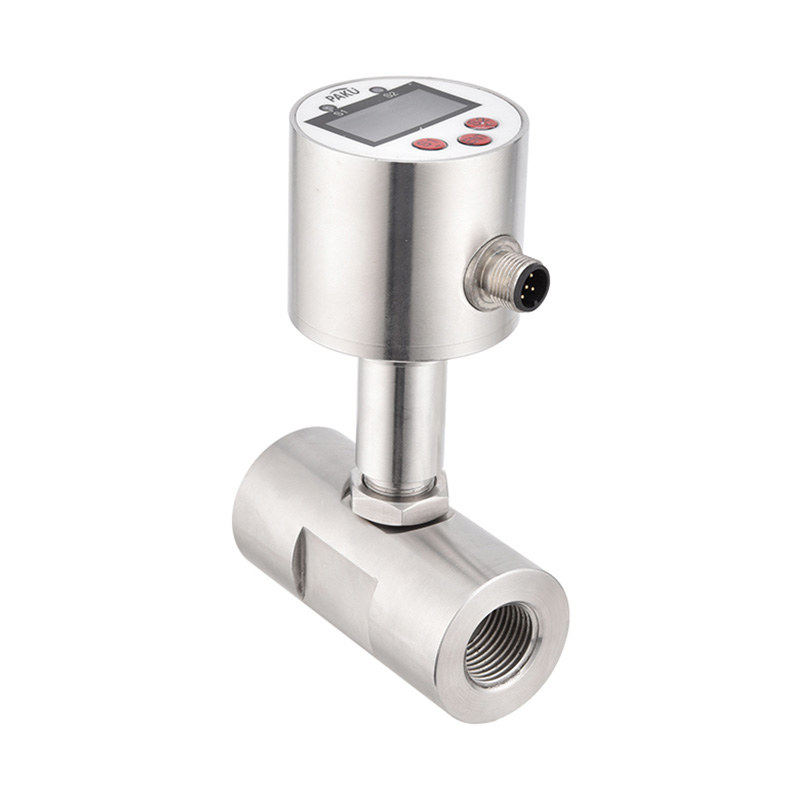
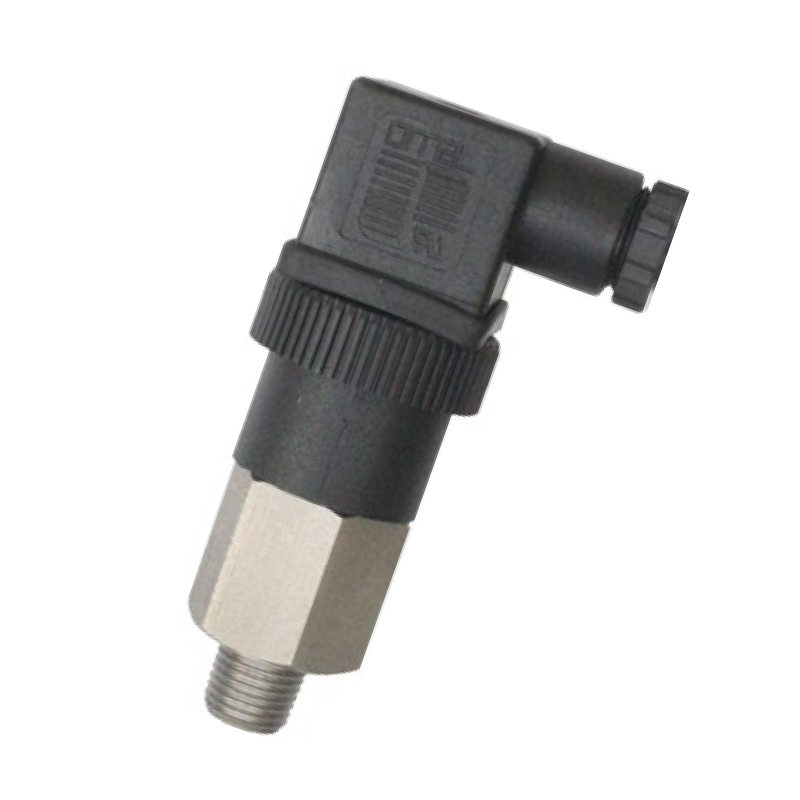
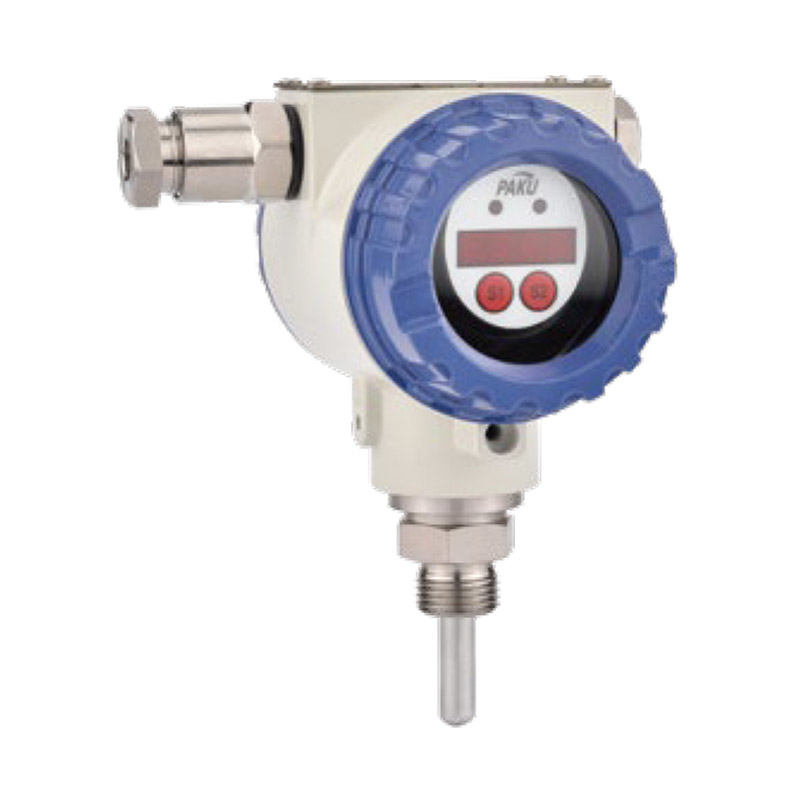
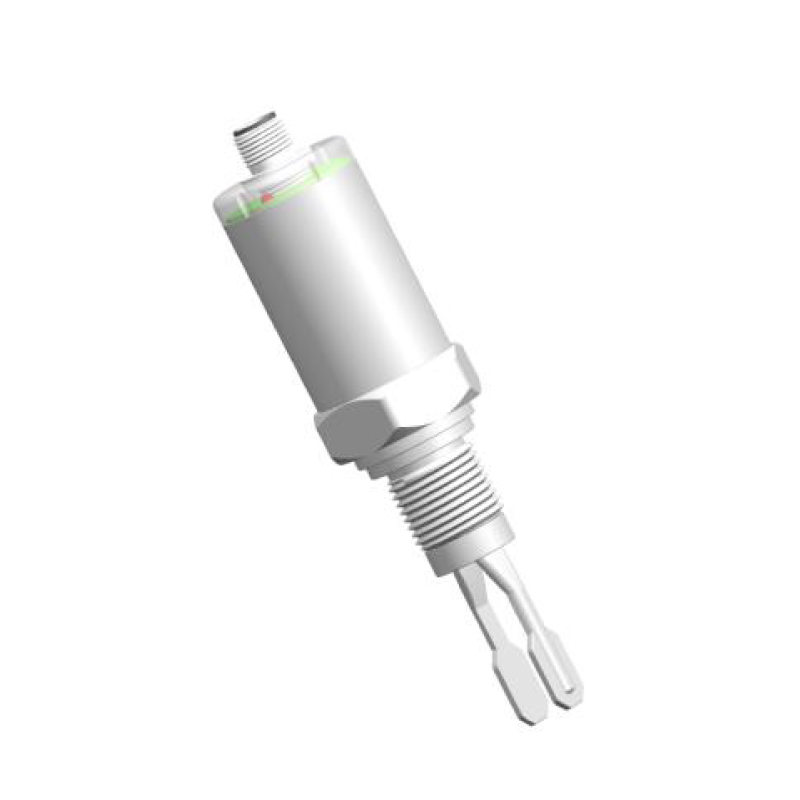
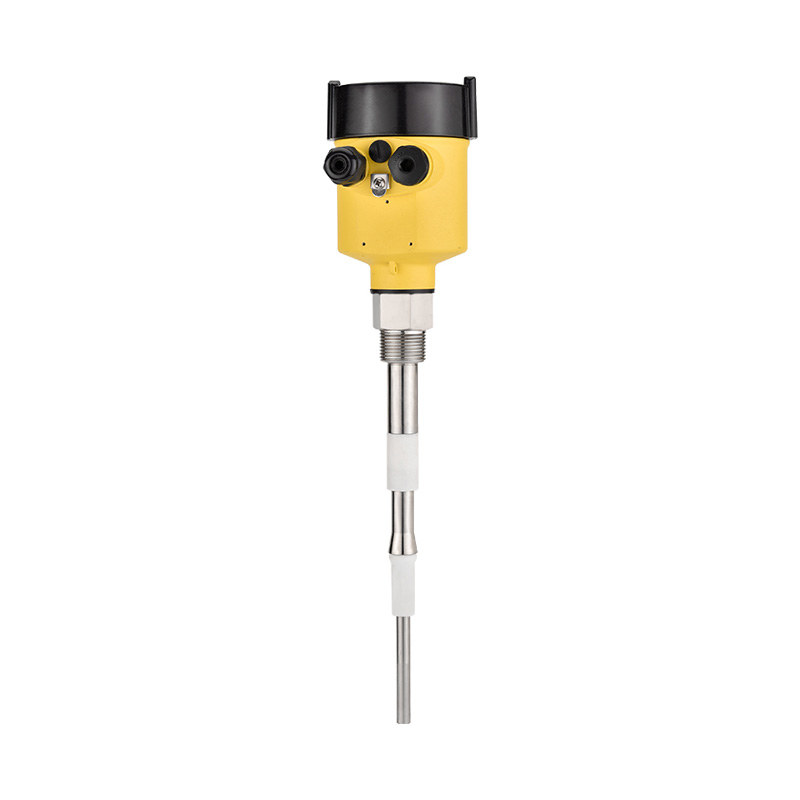
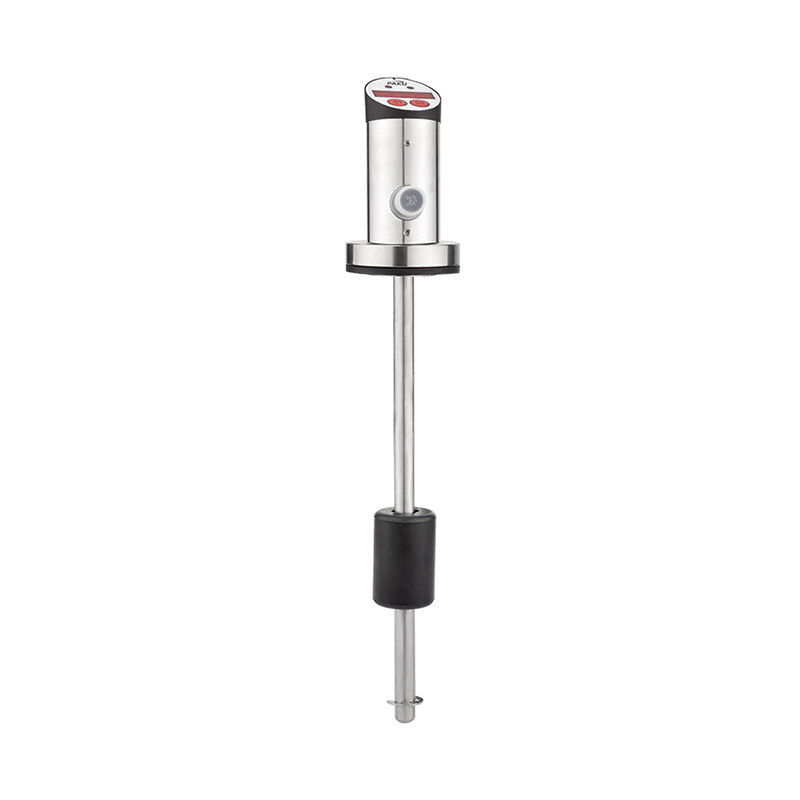
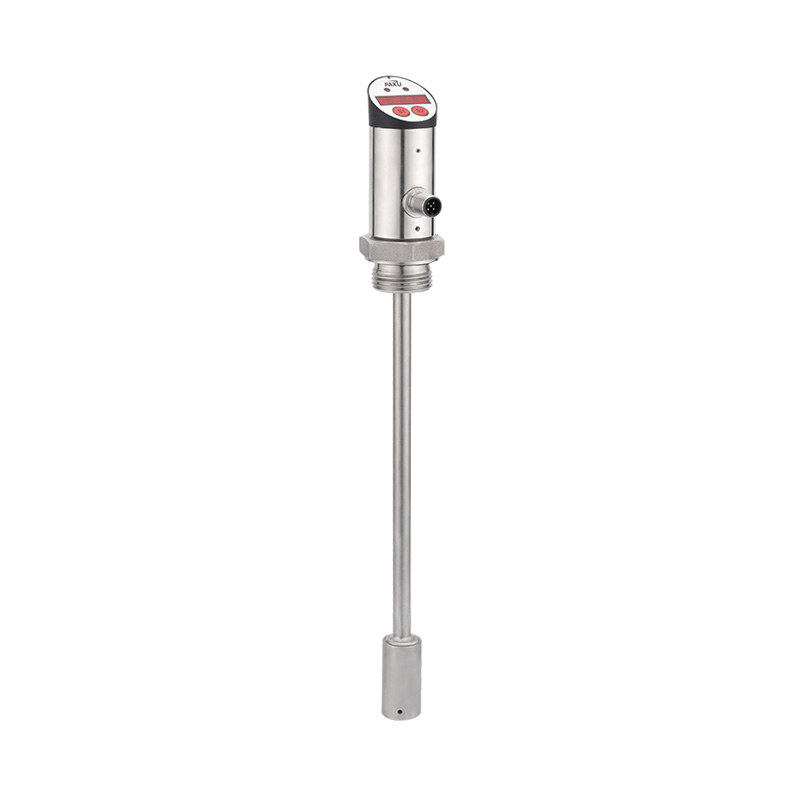
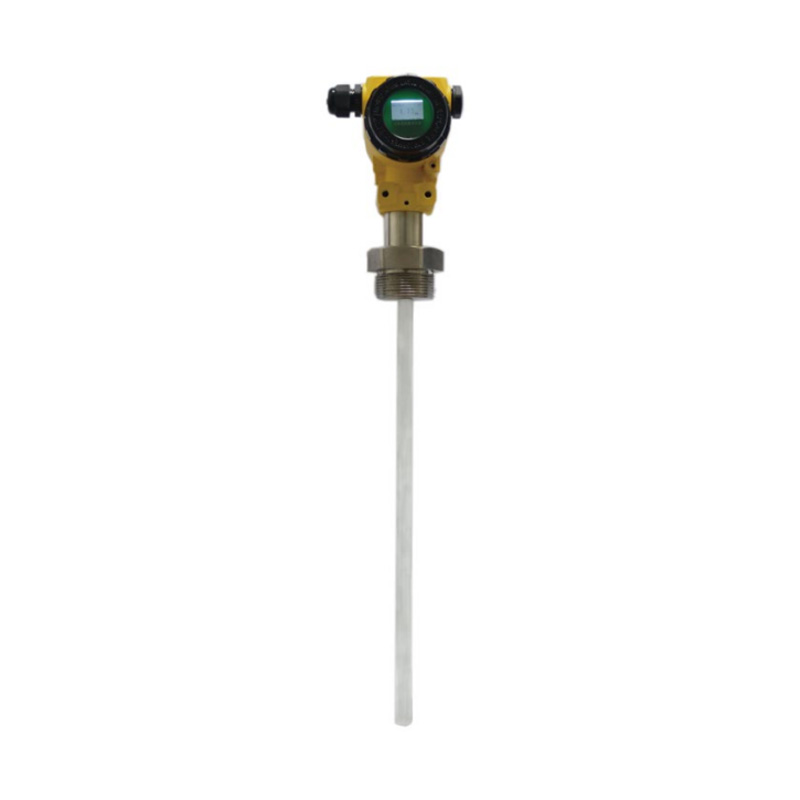
For simple alarm duty, a compact capacitive point-level switch covers small tanks and tight installation spaces without the added cost of a full transmitter loop. When the process instead needs a running percentage for dosing or batch control, an RF capacitance level transmitter built for continuous monitoring is the better fit, since it reports level as a live analog signal rather than a single trip point.
Why Dielectric Constant Determines What You Can Measure
Every capacitive sensor has a practical lower limit on the dielectric constant it can reliably detect, typically somewhere around 1.5 to 2.0. Below that threshold, the capacitance swing between empty and full becomes too small to distinguish from electrical noise, and the reading becomes unreliable regardless of probe quality.
| Liquid Type | Typical Dielectric Constant | Measurement Difficulty |
| Water and aqueous solutions | ~80 | Easy, strong signal |
| Alcohols and solvents | 15-30 | Straightforward |
| Oils and hydrocarbons | 2-4 | Requires a sensitive probe |
| Liquefied gases | Below 2 | Often unsuitable for standard probes |
Conductive liquids need a different probe design than non-conductive ones. In conductive media, an insulated probe is required so the liquid itself does not short the electrode; in non-conductive fluids, a bare metal rod usually works fine. Getting this wrong is one of the more common causes of a capacitive sensor reading incorrectly from day one, not from wear or drift.
Capacitive vs. Float and Ultrasonic Level Technologies
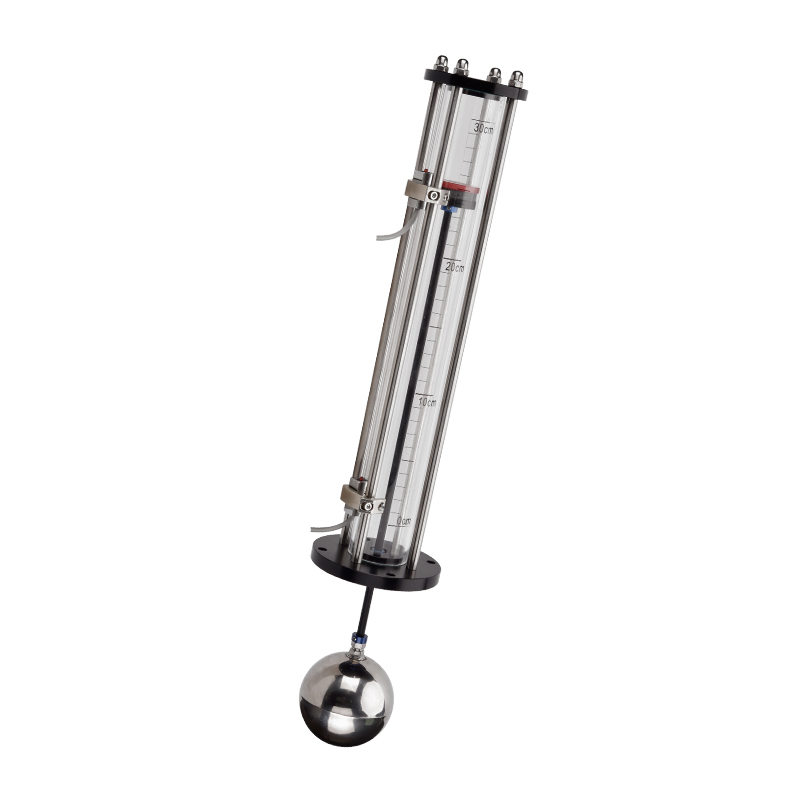
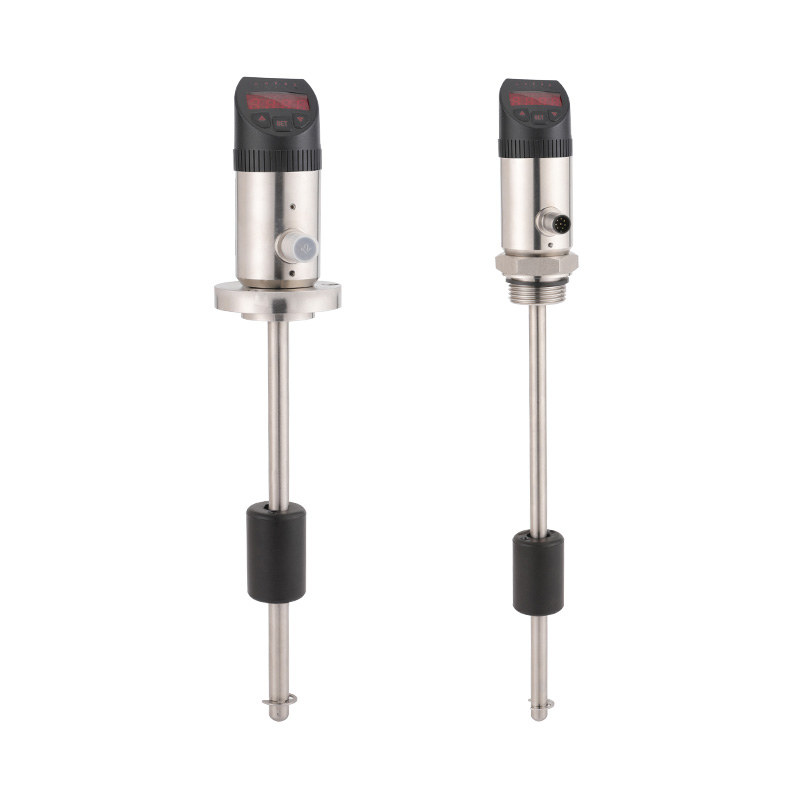
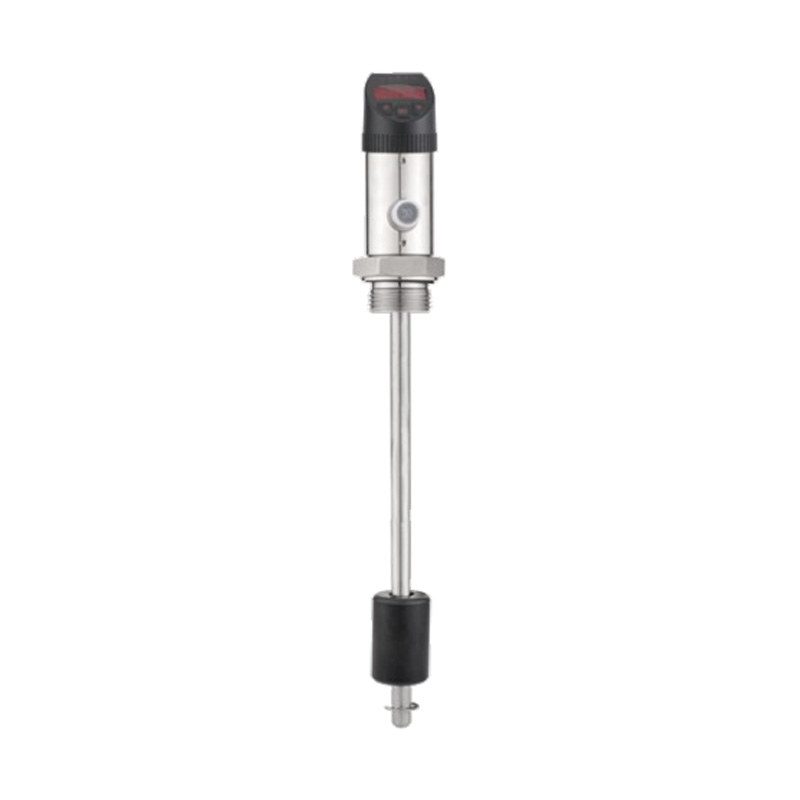
Capacitive sensing is not the only option, and it is not always the right one. Float-type switches remain cheaper for clean, non-viscous liquids where mechanical parts can move freely without fouling. An float-based magnetic induction level switch is often the more economical choice for water tanks and general-purpose reservoirs where the fluid stays clean and non-sticky.
Ultrasonic and radar sensors, on the other hand, measure level without any contact with the liquid at all, which sounds like an advantage until foam, heavy vapor, or turbulence enters the picture, all of which scatter the acoustic or radar signal and reduce accuracy. Capacitive probes generally hold up better in exactly those turbulent or foaming conditions, since the measurement depends on direct contact rather than a clean reflected signal.
- Clean, non-abrasive liquid, tight budget: float switch
- Corrosive, viscous, or foaming liquid: capacitive sensor
- Need to avoid any liquid contact (extreme temperature, hygiene): ultrasonic or radar
Installation Pitfalls That Cause False Readings
Most complaints about capacitive sensors giving unreliable readings trace back to installation, not the sensor itself. Mounting the probe too close to a metal tank wall or another conductive fitting introduces stray capacitance that the sensor cannot distinguish from the liquid signal, so manufacturers specify a minimum clearance for a reason.
Grounding is the second common culprit. In a non-metallic or poorly grounded tank, the sensor lacks a stable reference plate, and readings drift with ambient conditions rather than tracking actual liquid level. A grounding rod or reference electrode resolves this in most plastic or fiberglass vessel installations.
Finally, coating and buildup on the probe surface will slowly shift the zero-point calibration on standard capacitive designs, which is exactly the failure mode RF admittance probes are built to resist. If a tank holds a sticky or crystallizing fluid, that upgrade often costs less over time than repeated recalibration visits.
information
 [email protected]
 +86-13386111894 / +86-021-37566990
[email protected]
 B-4th Floor, Lane 1313, Nanting Road, Nanqiao Town, Fengxian District, Shanghai, China

Product Links