

 +86-13386111894
 Products & Solutions
  en
en English
 Русский
 España
 عرب .
عرب .
If you need any help, please feel free to contact us
inquire
Why Are Industrial Pressure Monitor Devices Essential for Process Control?
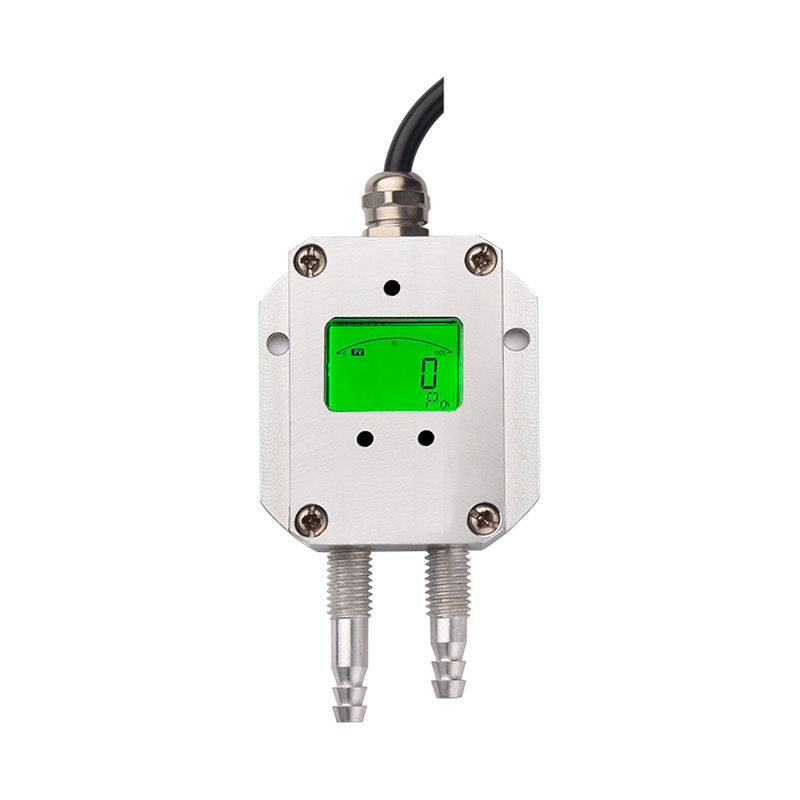
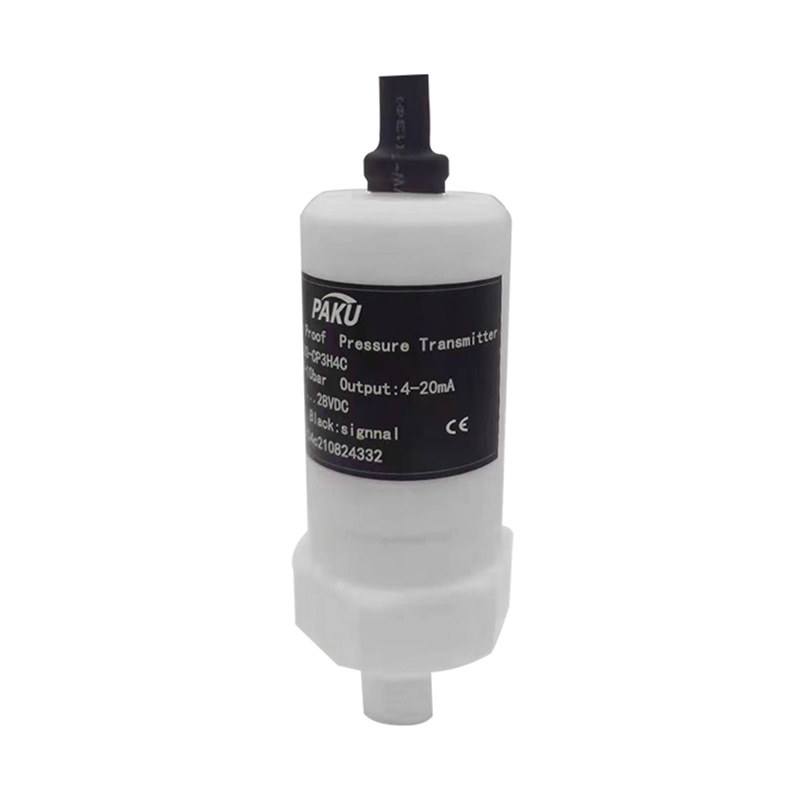
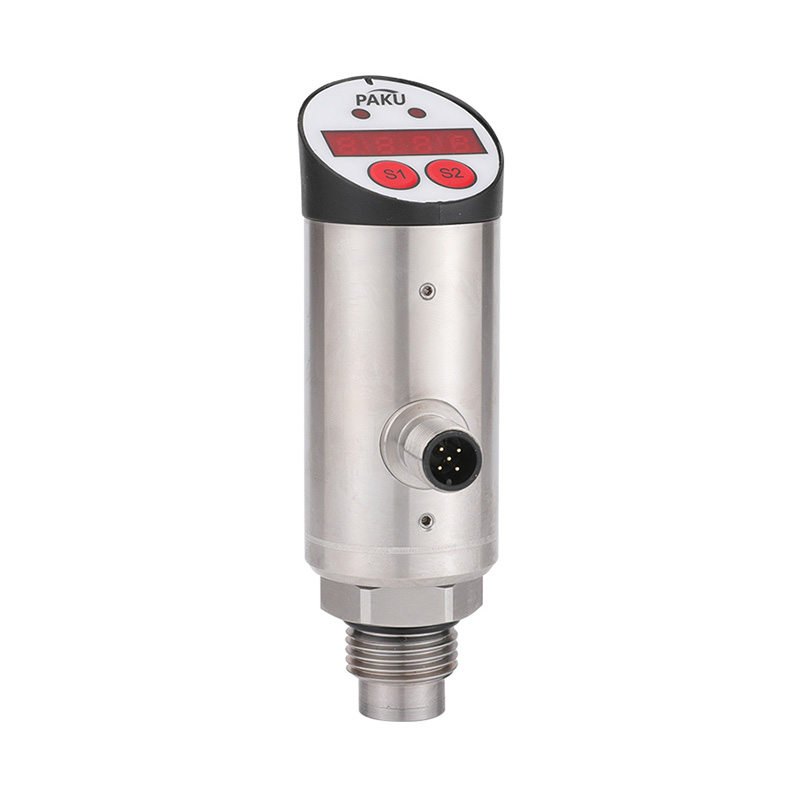
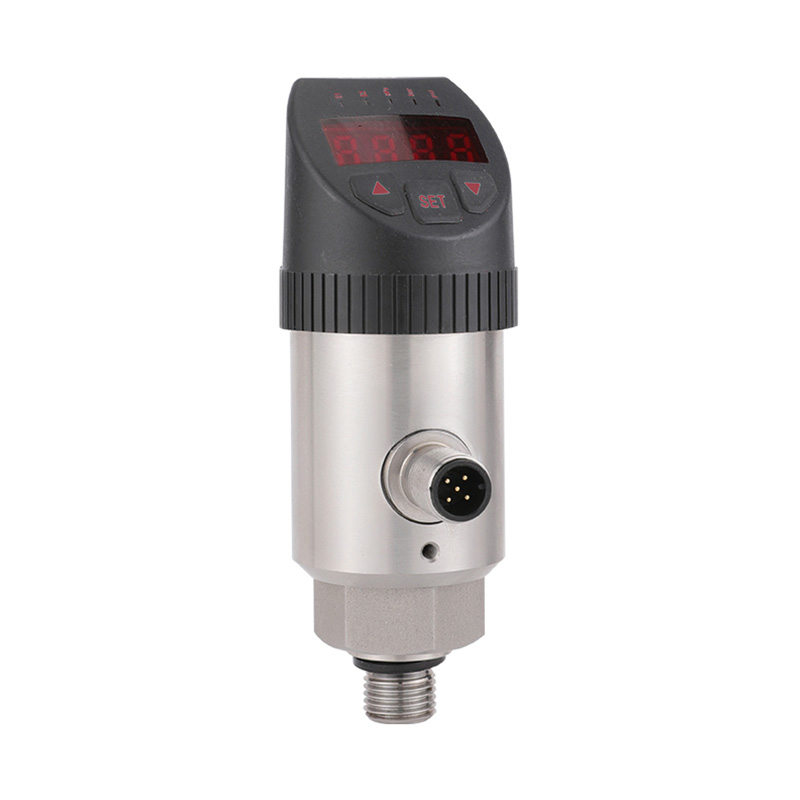
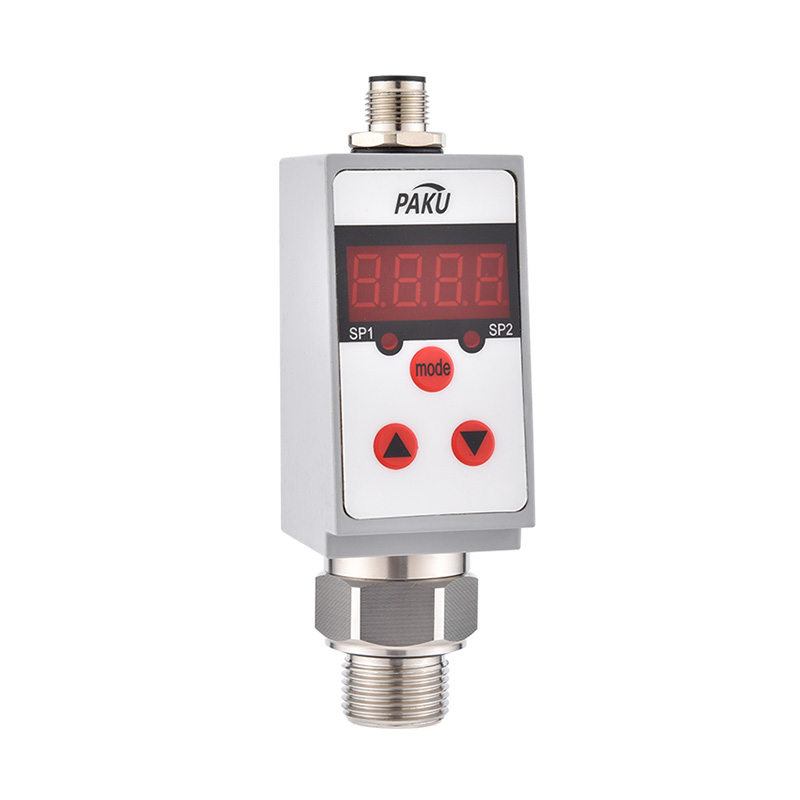
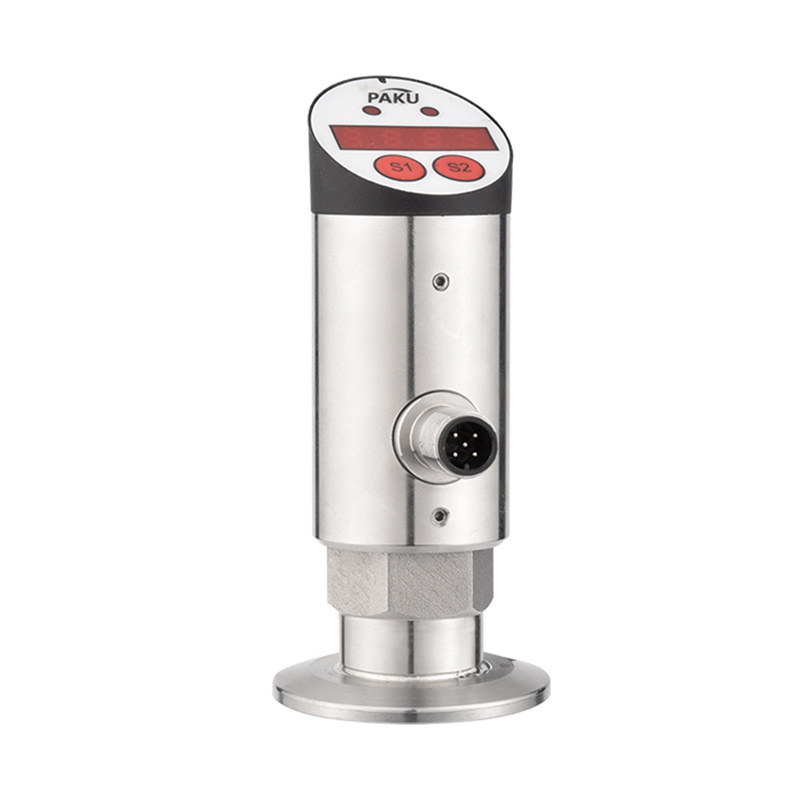
Industrial pressure monitor devices play a central role in maintaining stable, safe, and efficient industrial processes. In environments where fluids and gases move through complex systems, even small pressure deviations can lead to quality issues, equipment damage, or safety hazards. By providing continuous, accurate pressure data, these devices enable operators and automated systems to make informed decisions in real time. As industrial operations become more automated and data-driven, the importance of reliable pressure monitoring continues to grow.
The Role of Pressure Control in Industrial Processes
Pressure is a fundamental variable in many industrial operations, including chemical reactions, fluid transport, heating systems, and pneumatic control. Maintaining pressure within a defined range ensures that processes operate as designed. Industrial pressure monitor devices provide the feedback needed to keep pressure stable, preventing fluctuations that could compromise product quality or system integrity.
Without effective pressure monitoring, operators often rely on indirect indicators such as flow rates or temperatures. These signals may lag behind actual pressure changes, increasing the risk of delayed responses. Pressure monitor devices deliver direct measurements, enabling faster corrective actions and more precise process control.
How Industrial Pressure Monitor Devices Work
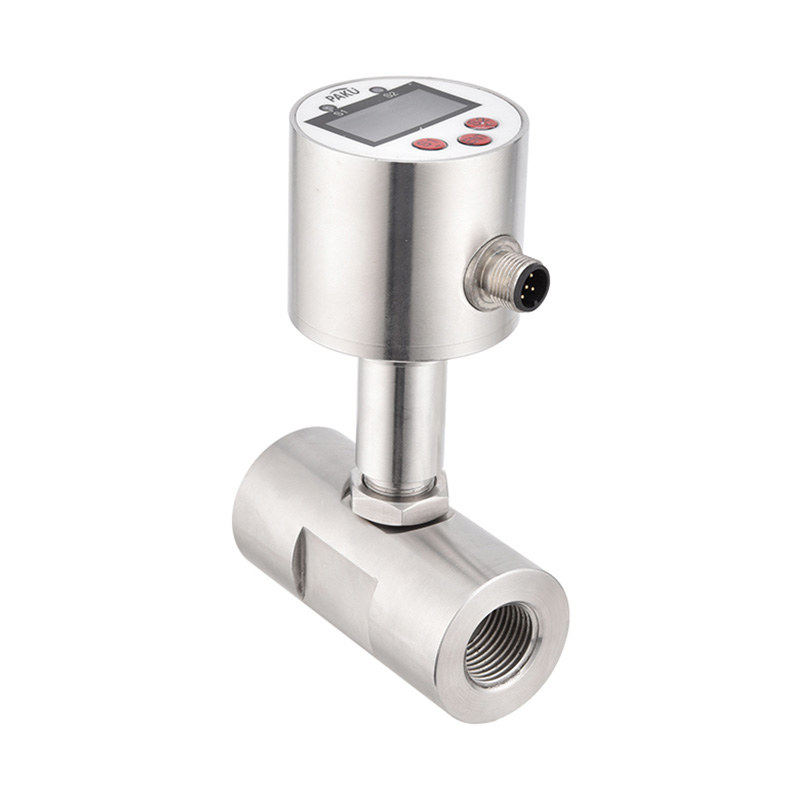
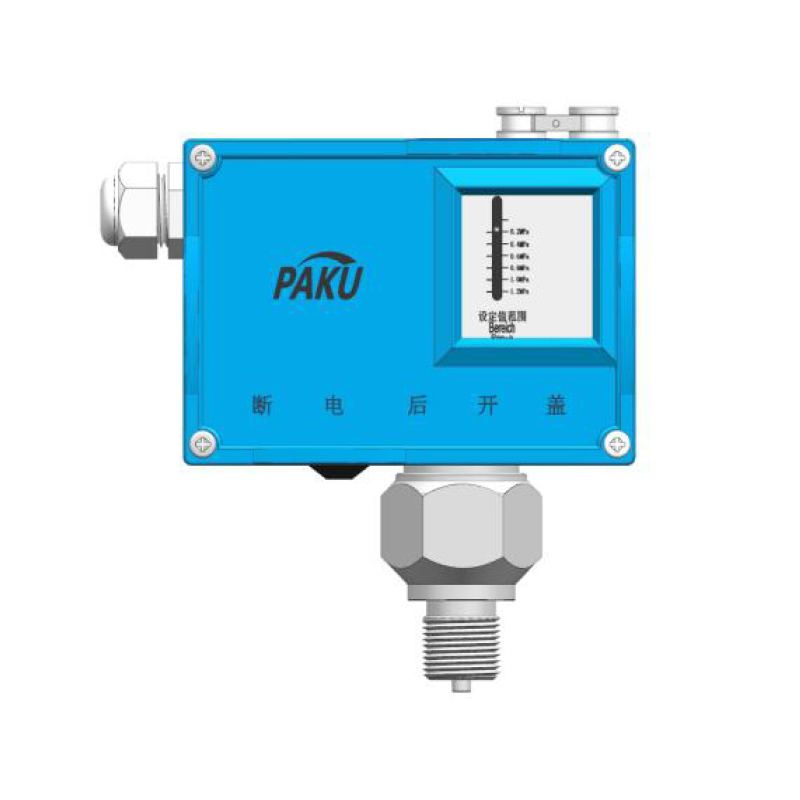
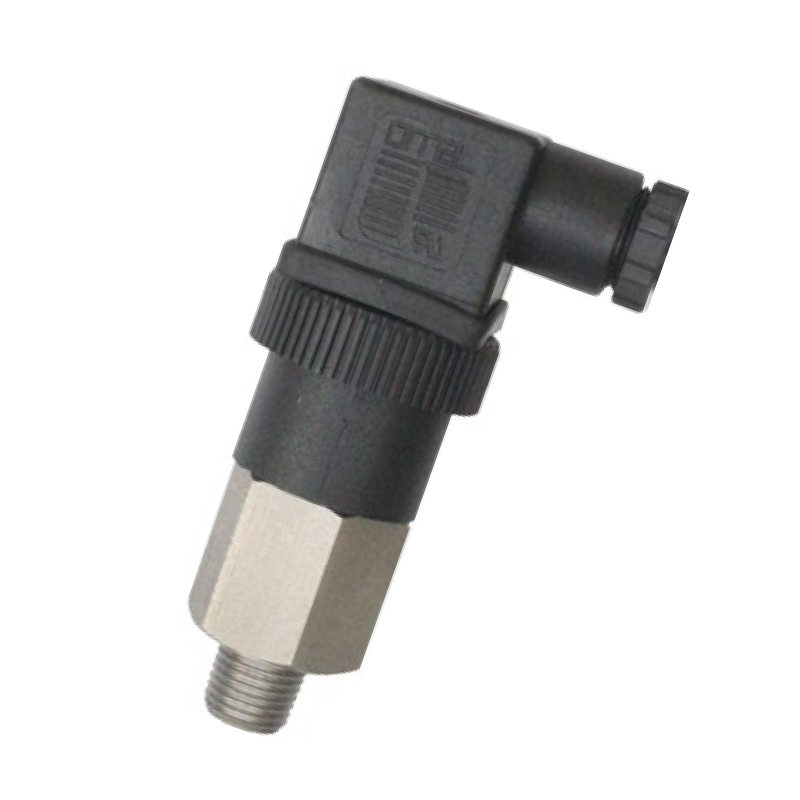
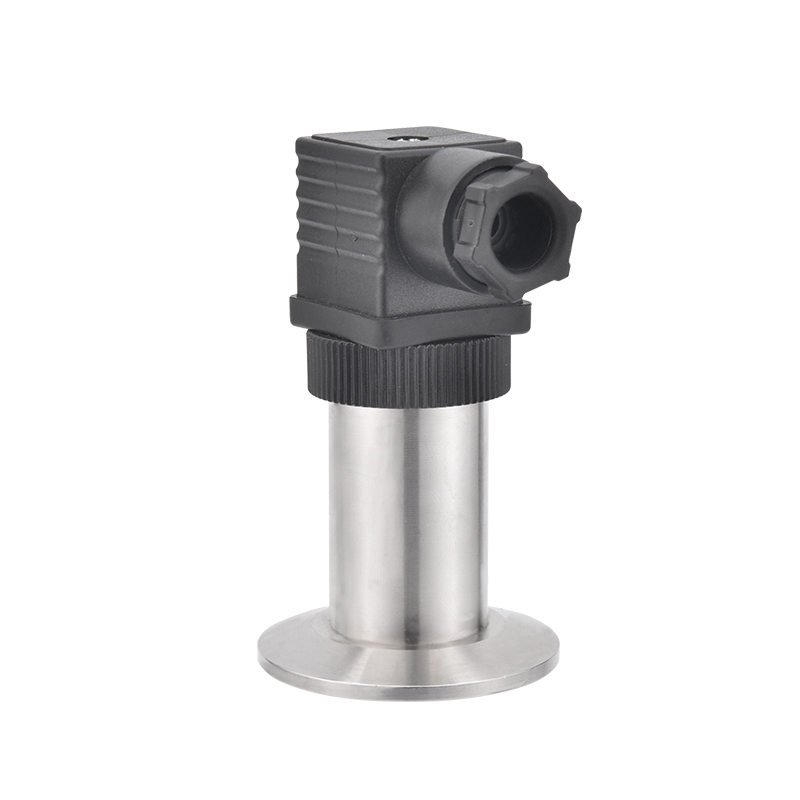
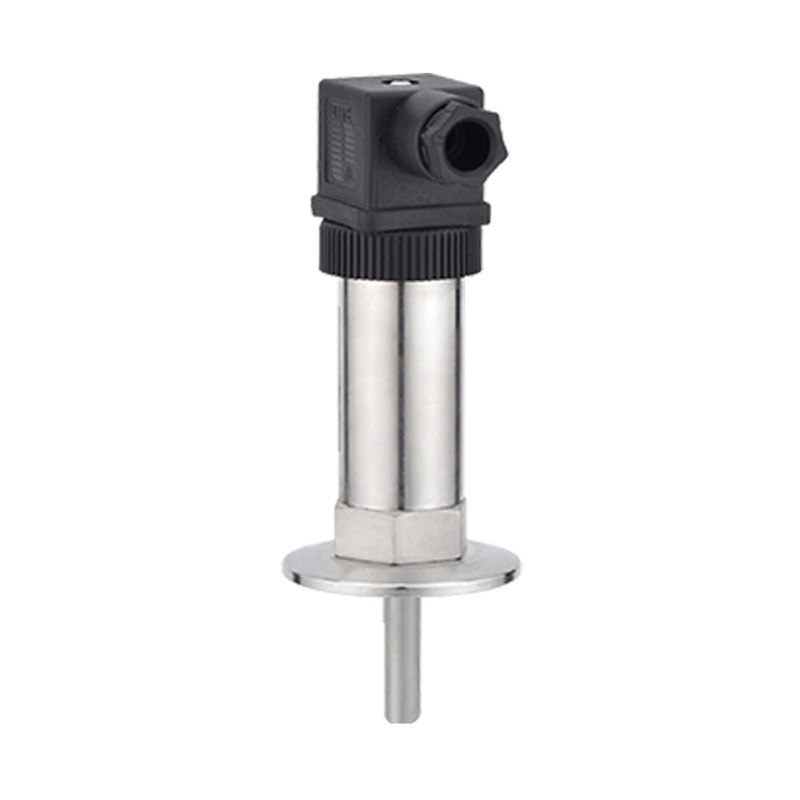
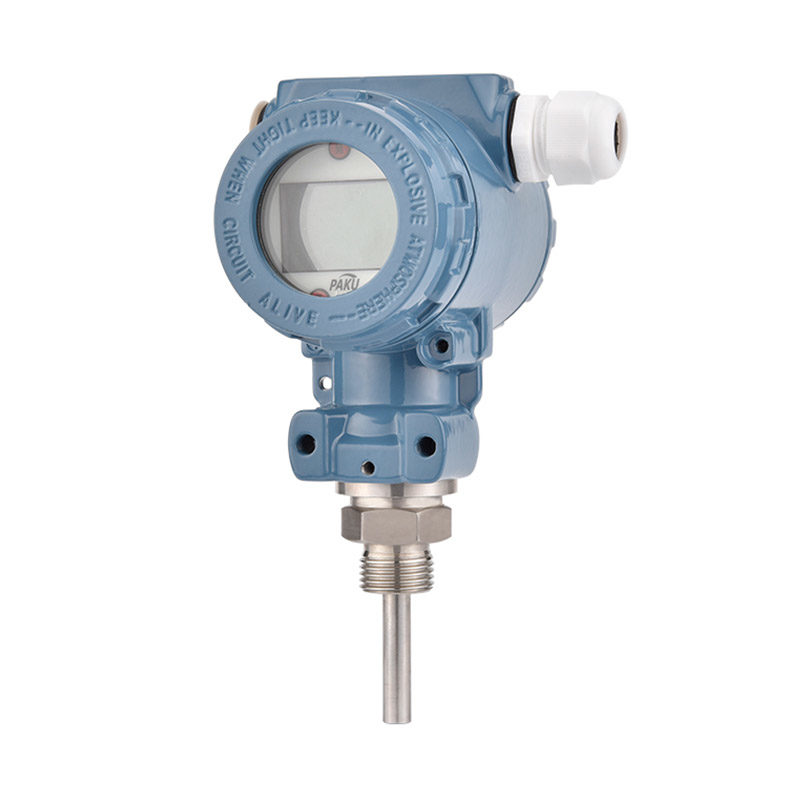
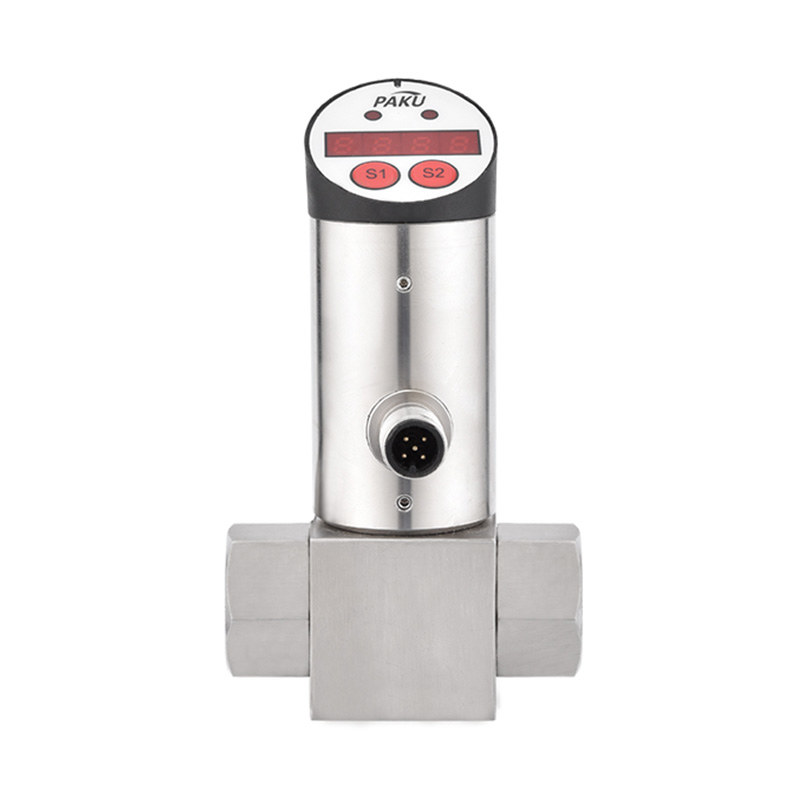
Industrial pressure monitor devices typically consist of a sensing element, signal processing electronics, and an output interface. The sensing element detects changes in pressure and converts them into an electrical signal. This signal is then processed and transmitted to control systems, displays, or alarms.
Common Pressure Sensing Technologies
Different industrial applications require different sensing technologies. Each technology offers unique advantages depending on pressure range, accuracy, and environmental conditions.
- Strain gauge sensors for high accuracy and stability
- Capacitive sensors for low-pressure and differential measurements
- Piezoelectric sensors for dynamic and high-frequency pressure changes
Enhancing Process Stability and Consistency
Process stability is essential for achieving consistent output quality. Industrial pressure monitor devices help maintain steady operating conditions by detecting deviations before they escalate into serious problems. When integrated with control systems, these devices can automatically adjust valves, pumps, or compressors to restore target pressure levels.
In batch and continuous production environments, consistent pressure directly affects reaction rates, mixing efficiency, and material properties. Reliable pressure monitoring ensures that each production cycle meets predefined specifications, reducing variability and waste.
Improving Safety Through Real-Time Monitoring
Safety is a major concern in industries dealing with pressurized systems. Excessive pressure can lead to leaks, ruptures, or explosions, while insufficient pressure may cause system failures or contamination. Industrial pressure monitor devices act as an early warning system by triggering alarms when pressure exceeds safe limits.
By continuously tracking pressure trends, operators can identify abnormal patterns that indicate potential failures. This proactive approach reduces the likelihood of accidents and supports compliance with safety regulations and industry standards.
Supporting Predictive Maintenance Strategies
Modern maintenance strategies increasingly rely on data rather than fixed schedules. Industrial pressure monitor devices provide valuable insights into system health by revealing gradual pressure changes associated with wear, blockages, or seal degradation. These trends help maintenance teams address issues before they result in unplanned downtime.
Predictive maintenance supported by pressure monitoring reduces repair costs, extends equipment life, and minimizes production interruptions. This data-driven approach is especially valuable in large-scale operations where downtime can be extremely costly.
Integration with Automation and Control Systems
Industrial pressure monitor devices are designed to integrate seamlessly with programmable logic controllers (PLCs), distributed control systems (DCS), and industrial networks. Digital outputs and standardized communication protocols allow pressure data to be shared across multiple systems in real time.
This integration enables automated decision-making, where control systems respond instantly to pressure changes without manual intervention. As a result, processes become more responsive, efficient, and reliable.
Key Application Areas for Industrial Pressure Monitoring
Industrial pressure monitor devices are used across a wide range of sectors. Each application places unique demands on accuracy, durability, and response time.
| Industry | Process Control Role |
|---|---|
| Chemical Processing | Maintains reaction pressure and safety |
| Oil and Gas | Monitors pipelines and drilling systems |
| Food and Beverage | Ensures hygienic and consistent processing |
| Manufacturing | Controls pneumatic and hydraulic systems |
Factors to Consider When Selecting Pressure Monitor Devices
Choosing the right industrial pressure monitor device is critical for effective process control. Factors such as pressure range, media compatibility, accuracy requirements, and environmental conditions should guide selection decisions. Devices must also withstand vibration, temperature extremes, and exposure to corrosive substances.
Ease of calibration, signal stability, and long-term reliability are equally important. Selecting devices that align with operational requirements helps ensure consistent performance and lower total cost of ownership.
The Growing Importance of Digital Pressure Monitoring
As industries embrace digital transformation, pressure monitoring is evolving beyond basic measurement. Smart industrial pressure monitor devices now offer features such as remote diagnostics, data logging, and predictive analytics. These capabilities enhance process transparency and support continuous improvement initiatives.
By combining accurate sensing with digital connectivity, modern pressure monitoring solutions enable more intelligent process control. This evolution reinforces why industrial pressure monitor devices are essential for maintaining competitiveness in today’s industrial landscape.
information
 [email protected]
 +86-13386111894 / +86-021-37566990
[email protected]
 B-4th Floor, Lane 1313, Nanting Road, Nanqiao Town, Fengxian District, Shanghai, China

Product Links