

 +86-13386111894
 Products & Solutions
  en
en English
 Русский
 España
 عرب .
عرب .
If you need any help, please feel free to contact us
inquire
Can POF Heat Shrink Film Reduce Packaging Costs Without Sacrificing Quality?
Understanding the Liquid Level Series in Modern Industry
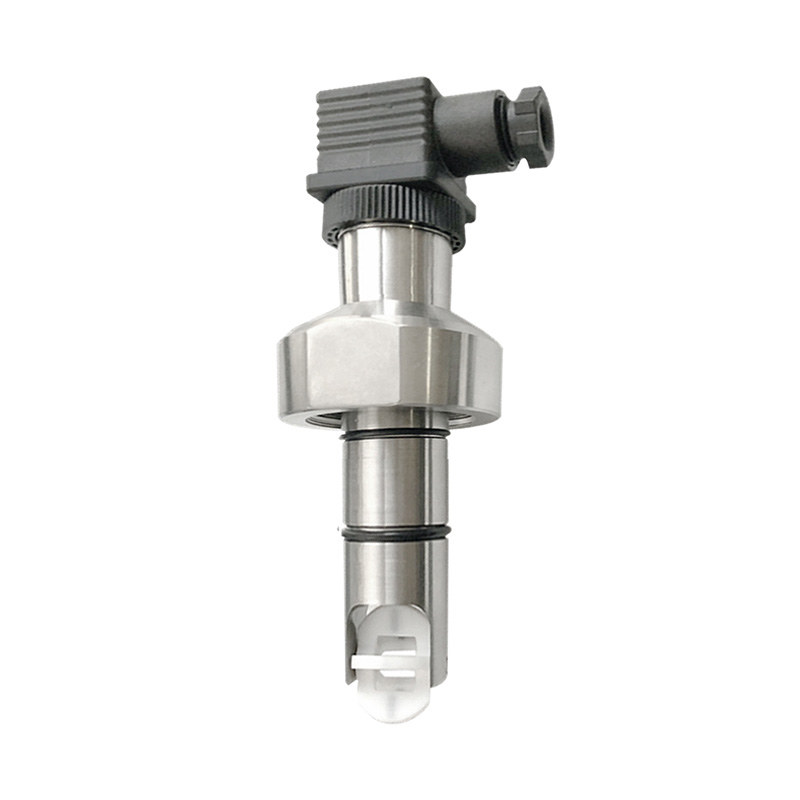
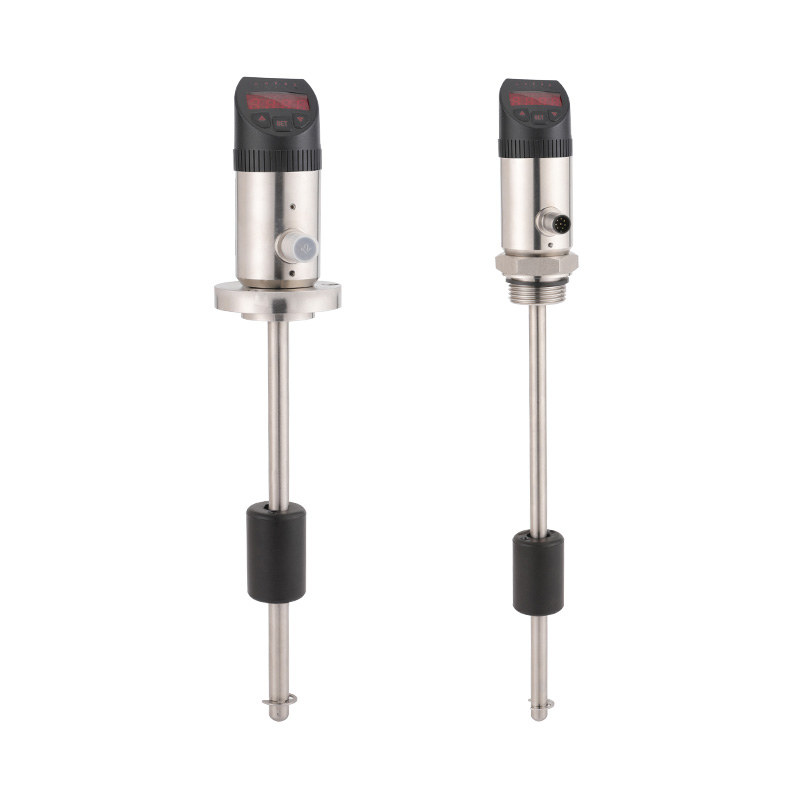
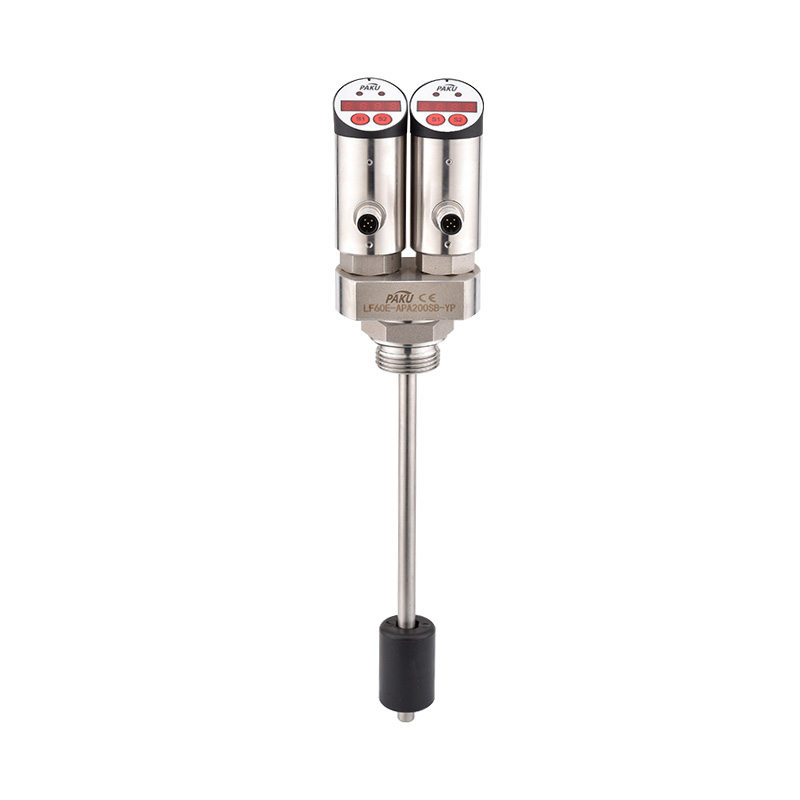
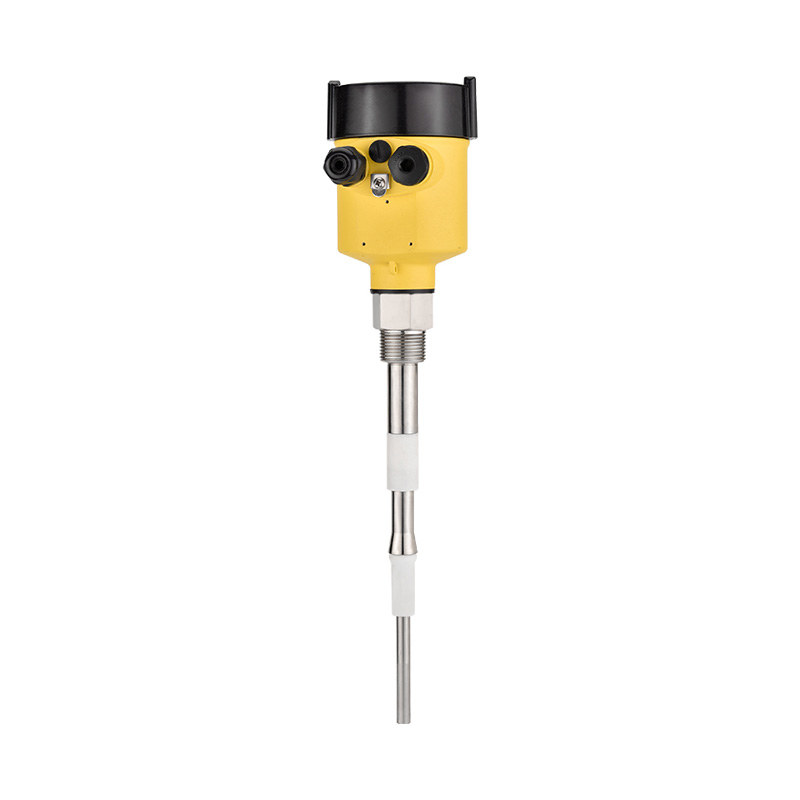
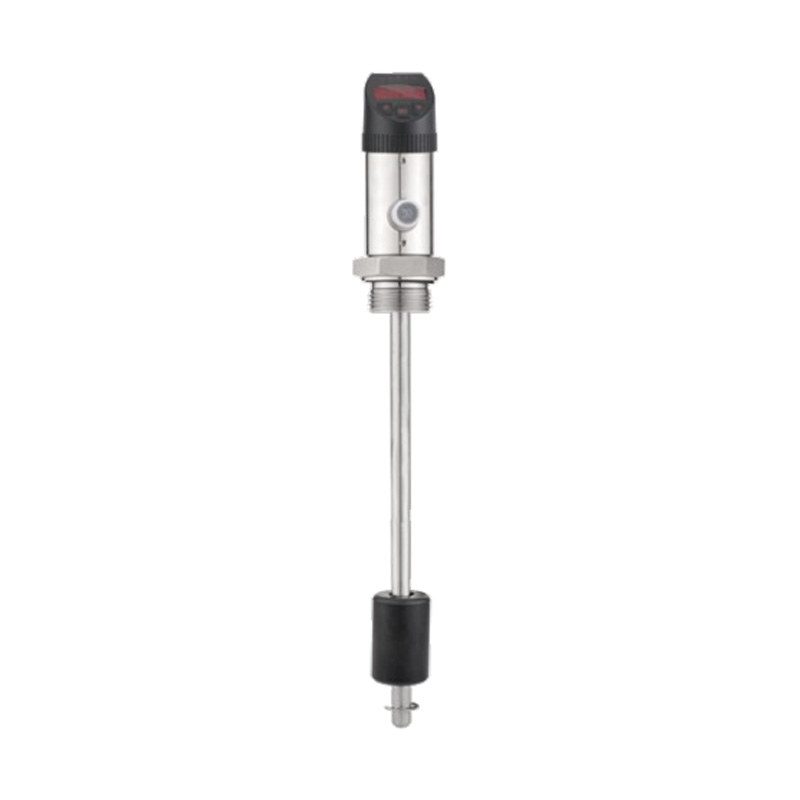
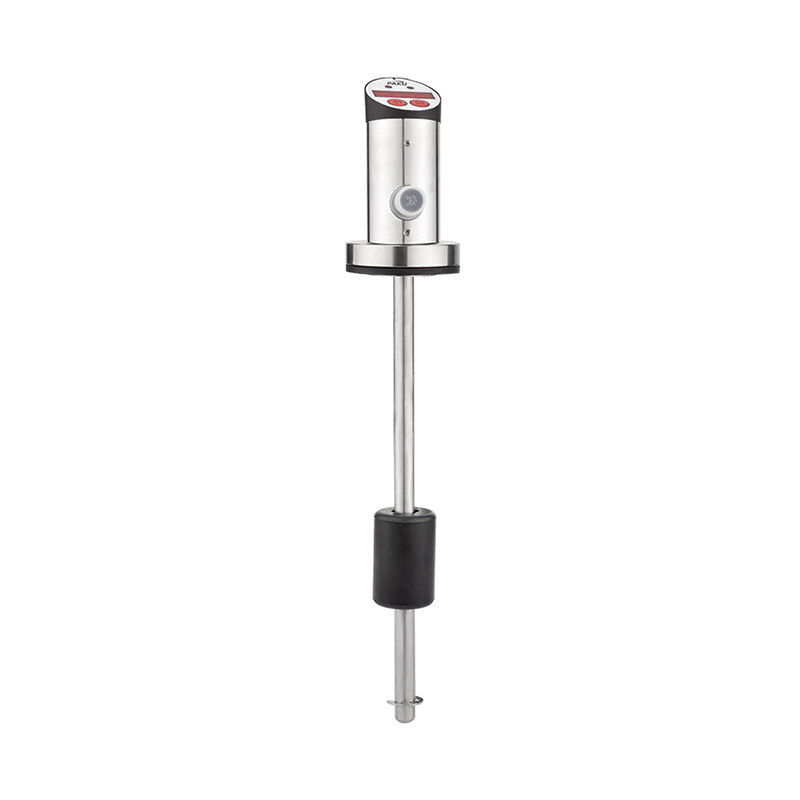
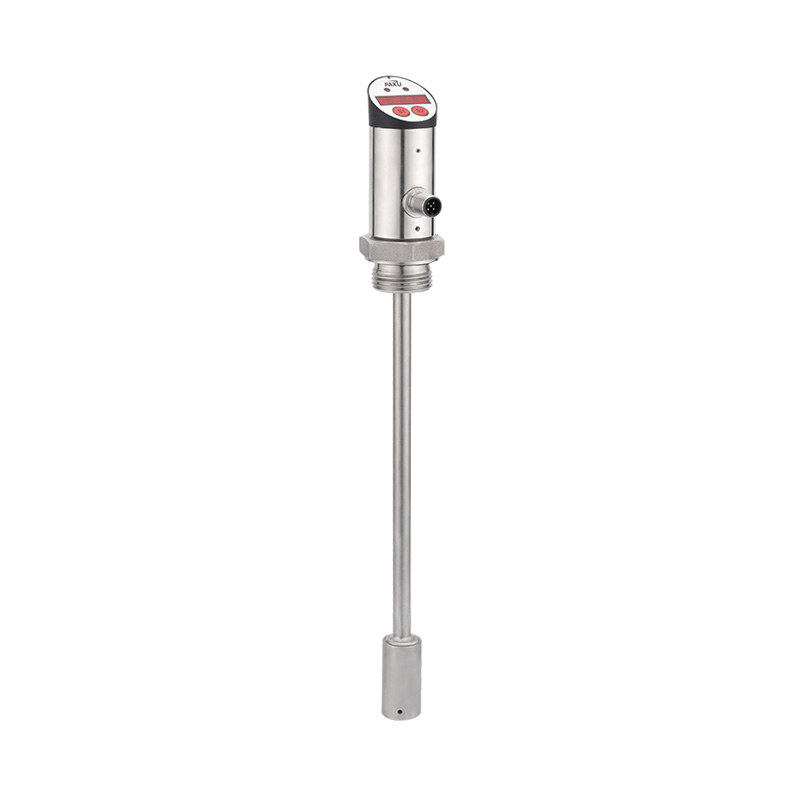
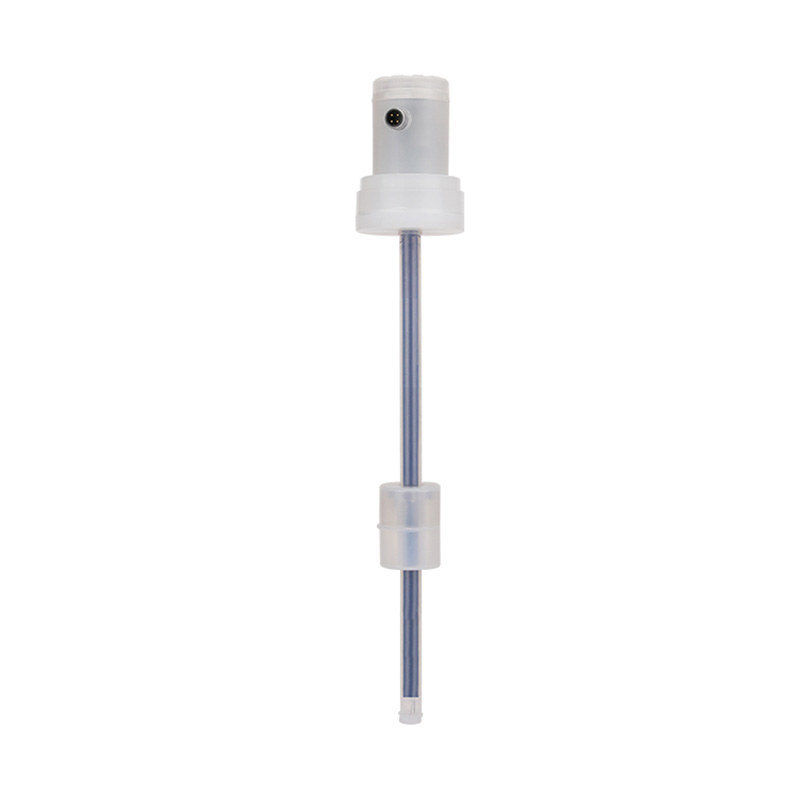
The Liquid Level Series refers to a range of advanced level detection devices designed to monitor, measure, and control liquid levels across industrial, commercial, and infrastructure applications. Unlike traditional mechanical or analog level sensors, modern Liquid Level Series products integrate digital sensing technologies, intelligent signal processing, and connectivity features to deliver more accurate and reliable data.
As industries increasingly pursue automation, safety, and efficiency, level detection systems are no longer simple on-off switches. They are becoming data-driven components within larger control ecosystems. This shift raises an important question: can the Liquid Level Series represent the future of smart level detection systems?
Evolution from Traditional Level Detection to Smart Systems
Traditional level detection methods, such as float switches, sight glasses, and basic pressure sensors, have served industry for decades. While reliable in simple environments, they often struggle with accuracy limitations, mechanical wear, and lack of real-time feedback.
The Liquid Level Series builds on this foundation by incorporating non-contact sensing, digital calibration, and adaptive measurement algorithms. These advancements reduce mechanical failure points and enable consistent performance in applications involving corrosive liquids, high temperatures, or fluctuating process conditions.
Core Technologies Behind the Liquid Level Series
What differentiates the Liquid Level Series from earlier solutions is the combination of multiple sensing technologies tailored to specific use cases. Depending on the application, systems may employ ultrasonic, capacitive, radar, hydrostatic, or optical sensing principles.
These technologies are supported by embedded electronics that process raw signals into stable, usable output. This allows level sensors to compensate for foam, vapor, temperature changes, and density variations, which are common challenges in industrial environments.
Digital Signal Processing and Calibration
Advanced digital signal processing enables Liquid Level Series devices to filter noise and maintain measurement accuracy over time. Automatic or software-assisted calibration reduces commissioning time and minimizes human error during setup.
This digital approach supports repeatable measurements across multiple installations, making it easier for operators to standardize processes and compare performance data across facilities.
Accuracy and Reliability in Demanding Applications
Accuracy is a critical requirement for any level detection system, especially in sectors such as chemical processing, water treatment, food and beverage, and pharmaceuticals. In these environments, inaccurate level readings can lead to product loss, safety hazards, or regulatory non-compliance.
Liquid Level Series products are engineered to deliver consistent accuracy by minimizing drift and compensating for environmental factors. Many models include self-diagnostic features that alert operators to abnormal conditions before measurement errors become critical.
Integration with Automation and Control Systems
One of the strongest indicators that the Liquid Level Series represents the future of level detection is its compatibility with modern automation platforms. These systems are designed to integrate seamlessly with programmable logic controllers, distributed control systems, and industrial networks.
Standardized communication protocols allow real-time level data to be transmitted to supervisory systems for monitoring, control, and analysis. This connectivity transforms level sensors from isolated components into active contributors within smart factories and facilities.
Data Visibility and Remote Monitoring
Remote access to level data enables operators to monitor tanks, reservoirs, and pipelines without being physically present. This is particularly valuable for distributed infrastructure such as water networks, fuel storage sites, and chemical distribution systems.
By combining Liquid Level Series sensors with centralized dashboards, organizations can improve response times, reduce manual inspections, and enhance overall operational visibility.
Practical Benefits for Operators and Engineers
From a practical standpoint, the Liquid Level Series offers tangible advantages to both operators and maintenance teams. Reduced mechanical wear leads to longer service life, while digital diagnostics simplify troubleshooting and preventive maintenance.
- Faster installation and commissioning through software-based setup
- Lower maintenance frequency compared to mechanical level switches
- Improved safety by reducing manual level checks in hazardous areas
These benefits contribute directly to reduced downtime and more predictable operating costs over the system lifecycle.
Comparison with Conventional Level Detection Solutions
| Evaluation Aspect | Liquid Level Series | Traditional Level Sensors |
| Measurement Accuracy | High and stable | Moderate, prone to drift |
| Maintenance Requirements | Low | Higher due to mechanical wear |
| System Integration | Excellent | Limited |
Challenges and Limitations to Consider
Despite their advantages, Liquid Level Series systems are not without challenges. Higher initial costs compared to basic level switches may deter smaller operations with limited budgets. In addition, advanced sensors may require trained personnel for configuration and data interpretation.
Environmental extremes, such as heavy buildup, extreme turbulence, or highly viscous fluids, can still affect performance if sensor selection and installation are not properly matched to the application.
Future Trends in Smart Level Detection
The Liquid Level Series aligns closely with broader trends in industrial digitalization. Integration with predictive analytics, cloud platforms, and artificial intelligence is expected to further enhance level detection capabilities. Future systems may automatically optimize process control based on historical level data and real-time conditions.
As smart infrastructure expands, level detection will play an increasingly strategic role in resource management, safety assurance, and operational efficiency.
Is the Liquid Level Series the Future of Smart Detection?
For applications demanding accuracy, connectivity, and long-term reliability, the Liquid Level Series represents a clear step forward from conventional level detection methods. Its ability to integrate seamlessly with modern control systems and provide actionable data positions it as a key component of future-ready industrial environments.
While not every application requires advanced smart sensing, the growing emphasis on automation and data-driven decision-making suggests that Liquid Level Series solutions will continue to gain relevance. In this context, they are not just an upgrade, but a foundation for the next generation of smart level detection systems.
information
 [email protected]
 +86-13386111894 / +86-021-37566990
[email protected]
 B-4th Floor, Lane 1313, Nanting Road, Nanqiao Town, Fengxian District, Shanghai, China

Product Links