

 +86-13386111894
 Products & Solutions
  en
en English
 Русский
 España
 عرب .
عرب .
If you need any help, please feel free to contact us
inquire
Pressure Sensors: Applications, Types & Benefits
Introduction to Pressure Sensors
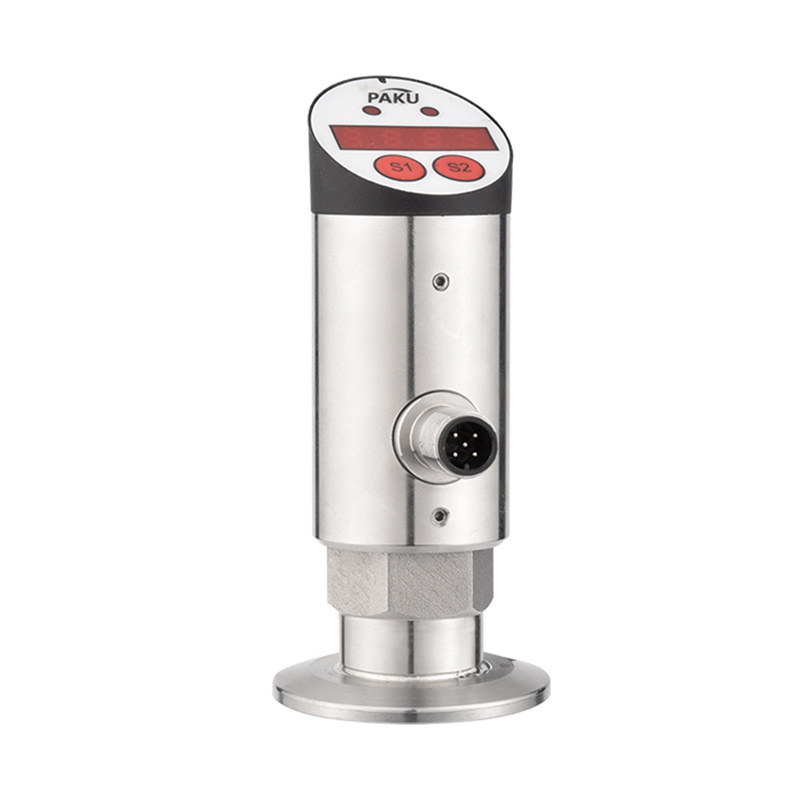
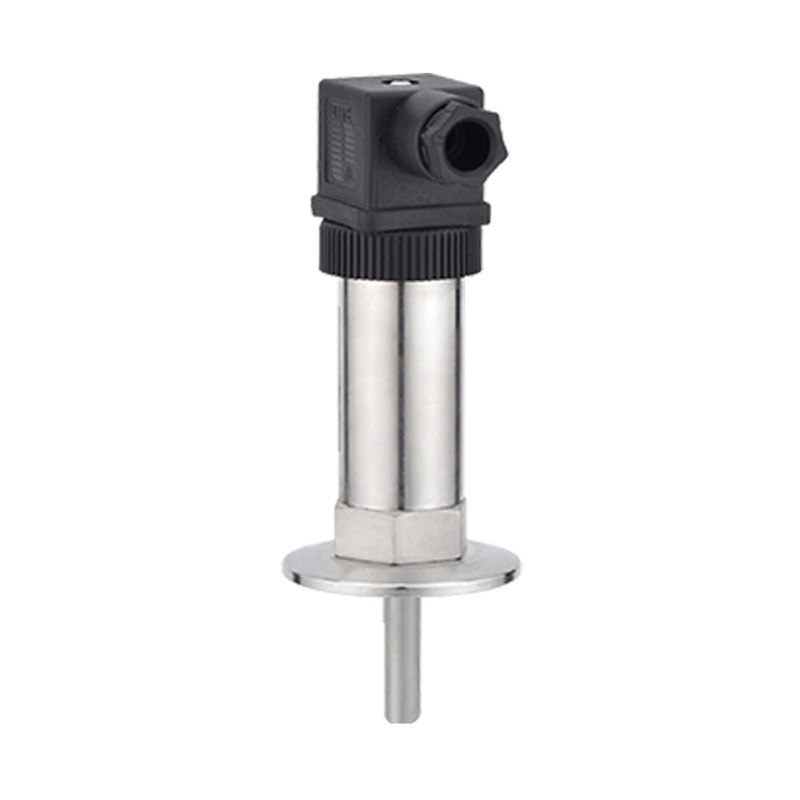
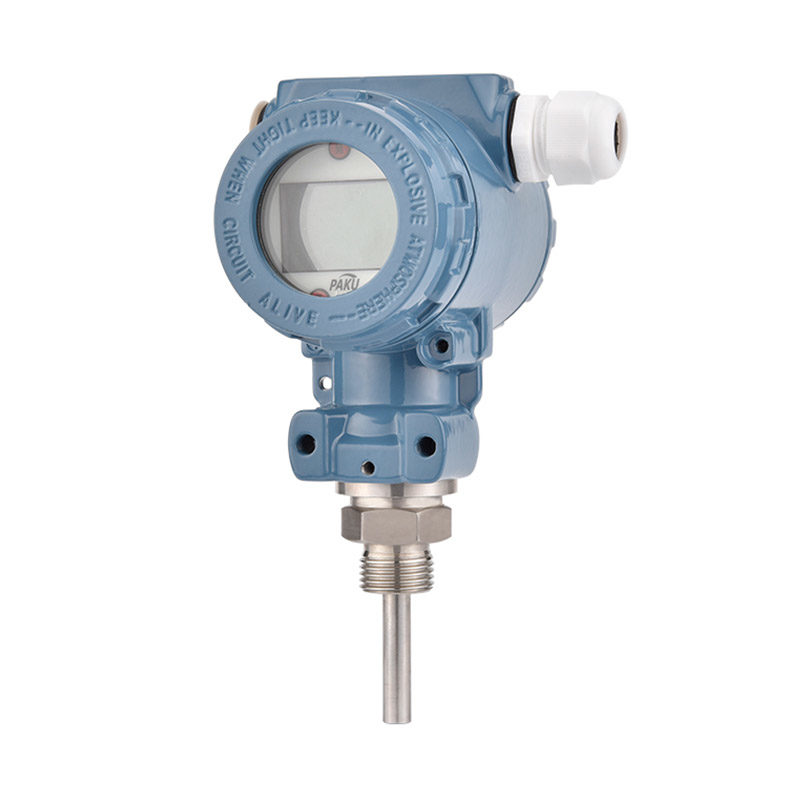
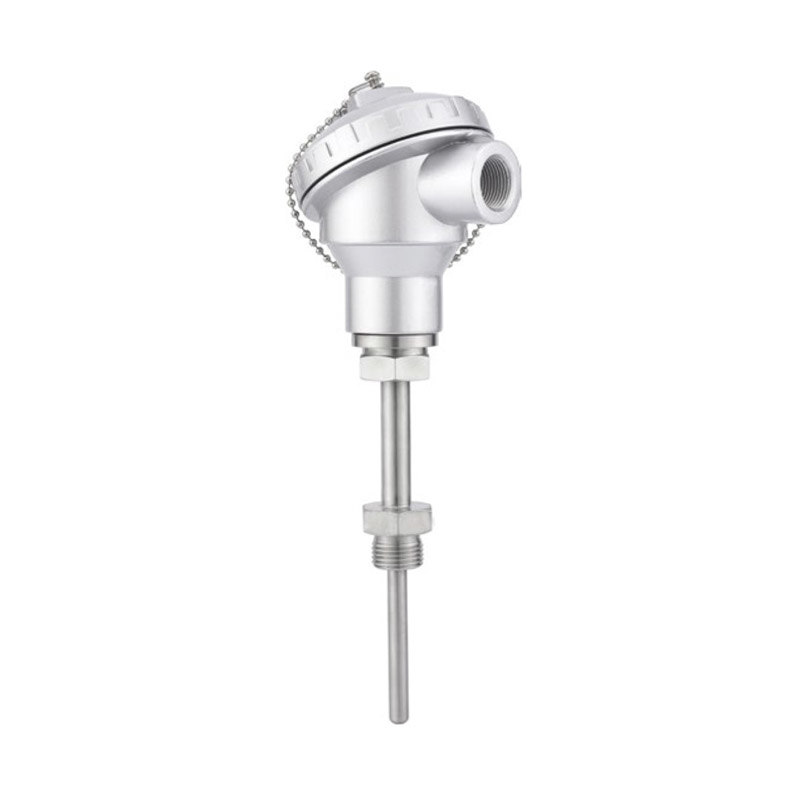
Pressure sensors are critical components in a wide range of industries, from automotive to healthcare, providing accurate readings of the pressure in liquids and gases. These sensors are used to monitor and control various processes, ensuring safety, efficiency, and optimal performance. They can detect minute changes in pressure, translating them into electrical signals for analysis and further action.
Types of Pressure Sensors
1. Piezoresistive Pressure Sensors
Piezoresistive pressure sensors are one of the most common types of pressure sensors. They work by using a resistive element that changes resistance when subjected to pressure. This change is converted into an electrical signal. They are known for their high sensitivity and are widely used in applications that require precise pressure measurements, such as automotive and medical devices.
2. Capacitive Pressure Sensors
Capacitive pressure sensors operate by detecting changes in the capacitance between two conductive plates. When pressure is applied, the distance between the plates changes, which in turn alters the capacitance. These sensors are highly accurate and are commonly used in applications requiring high precision, like industrial automation and environmental monitoring.
3. Strain Gauge Pressure Sensors
Strain gauge pressure sensors use a strain gauge to measure deformation caused by pressure. When pressure is applied, the strain gauge deforms, and this change is recorded as a change in resistance. Strain gauge sensors are favored for their durability and wide pressure range and are often used in heavy-duty industrial environments.
4. Optical Pressure Sensors
Optical pressure sensors detect pressure by measuring changes in light intensity caused by the deformation of a sensing element. These sensors offer excellent accuracy and are resistant to electromagnetic interference, making them ideal for use in industries like aerospace and healthcare, where precision is critical.
Applications of Pressure Sensors
Pressure sensors are integral to modern engineering and technology, playing a crucial role in a variety of fields. Here are some key areas where pressure sensors are commonly used:
- Automotive Industry: Pressure sensors in vehicles monitor tire pressure, fuel systems, and engine performance, helping improve safety and efficiency.
- Healthcare: In medical devices, pressure sensors are used to monitor blood pressure, respiratory systems, and in infusion pumps.
- Manufacturing and Industrial Automation: Pressure sensors are vital for controlling and optimizing hydraulic systems, ensuring consistent pressure levels in production lines.
- Oil and Gas Industry: Pressure sensors monitor well pressure, pipeline integrity, and control drilling processes, enhancing safety and operational efficiency.
- Aerospace: In aircraft, pressure sensors ensure the proper function of systems such as cabin pressure and fuel management.
Key Benefits of Pressure Sensors
Pressure sensors provide numerous benefits across various industries, including:
- Improved Safety: Pressure sensors help detect leaks, overpressures, and underpressures, preventing accidents and equipment damage.
- Increased Efficiency: By providing real-time pressure data, these sensors help optimize processes, reduce downtime, and increase productivity.
- Cost Savings: Pressure sensors reduce the need for manual pressure checks, lowering labor costs and minimizing the risk of costly system failures.
- Enhanced Quality Control: Accurate pressure readings contribute to maintaining the quality and consistency of products during manufacturing.
Choosing the Right Pressure Sensor
When selecting a pressure sensor, several factors should be considered to ensure optimal performance and reliability:
- Pressure Range: The sensor must be able to handle the expected range of pressures in your application.
- Accuracy: Depending on the application, you may need a sensor with a high level of accuracy.
- Response Time: For dynamic applications, a fast response time may be necessary to accurately measure fluctuating pressures.
- Environmental Conditions: Consider factors like temperature, humidity, and exposure to chemicals when selecting a sensor.
- Size and Integration: Ensure the sensor fits within the available space and can be easily integrated into the system.
Conclusion
Pressure sensors are essential components in various industries, from automotive to aerospace, healthcare, and manufacturing. Understanding the different types of pressure sensors, their applications, and how to choose the right one can help improve system performance, safety, and efficiency. As technology advances, pressure sensors continue to evolve, offering even greater accuracy and reliability to meet the growing demands of modern industries.
information
 [email protected]
 +86-13386111894 / +86-021-37566990
[email protected]
 B-4th Floor, Lane 1313, Nanting Road, Nanqiao Town, Fengxian District, Shanghai, China

Product Links