

 +86-13386111894
 Products & Solutions
  en
en English
 Русский
 España
 عرب .
عرب .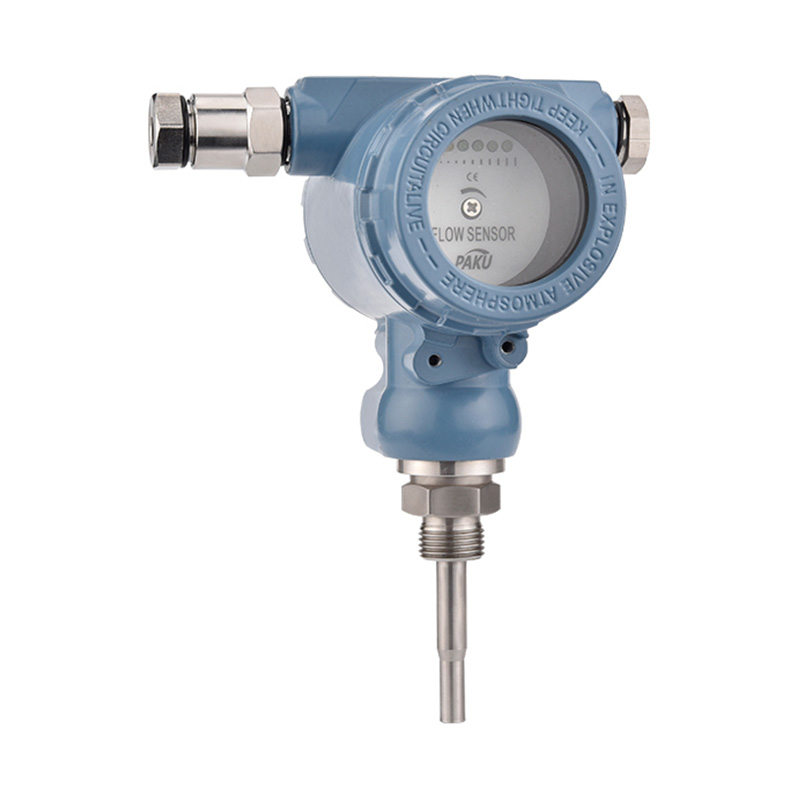
If you need any help, please feel free to contact us
inquire
Temperature Transmitter: Accurate Industrial Temperature Measurement
What a Temperature Transmitter Does and Why It Matters
A temperature transmitter converts raw temperature sensor signals into standardized, stable output signals—typically 4–20 mA, 0–10 V, or digital protocols—so control systems can reliably monitor and regulate processes. Without a transmitter, sensor signals are often too weak, noisy, or inconsistent for industrial environments.
In practical terms, a temperature transmitter ensures accuracy over long cable runs, minimizes electrical interference, and provides consistent temperature data to PLCs, DCS systems, and SCADA platforms. This is critical in industries where even a 1–2°C deviation can affect product quality or safety.
How a Temperature Transmitter Works
A temperature transmitter sits between the temperature sensor and the control system. It first receives the raw signal from the sensor, conditions and linearizes it, and then outputs a standardized signal proportional to the measured temperature.
Signal Processing Steps
- Sensor input detection (RTD resistance, thermocouple voltage, etc.)
- Signal amplification and noise filtering
- Linearization based on sensor characteristics
- Conversion to analog or digital output
For example, a PT100 RTD measuring 0–100°C may be converted by the transmitter into a 4–20 mA signal, where 4 mA represents 0°C and 20 mA represents 100°C.
Common Types of Temperature Transmitters
Temperature transmitters are categorized based on mounting style, input compatibility, and communication method. Choosing the right type depends on installation space, environmental conditions, and system architecture.
| Type | Installation | Typical Use Case |
|---|---|---|
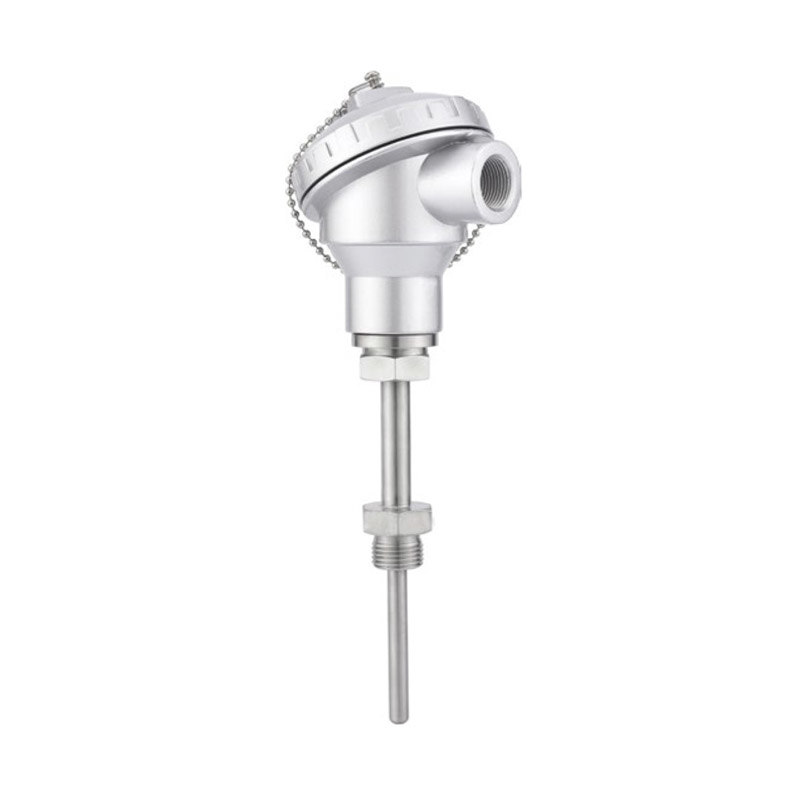
| Head-mounted | Inside sensor head | Compact field installations |
| DIN rail | Control cabinet | Centralized signal processing |
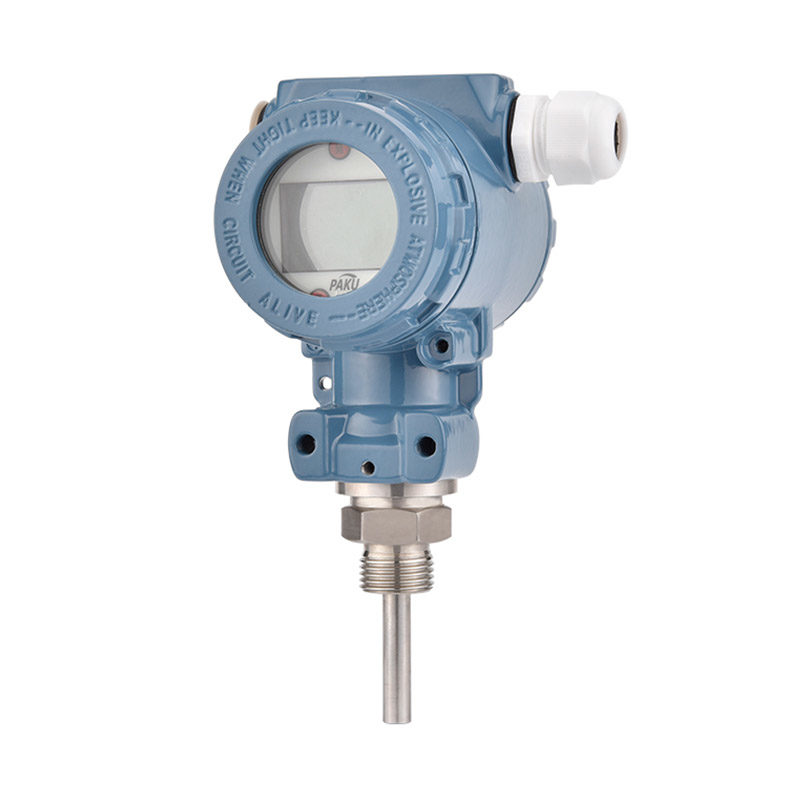
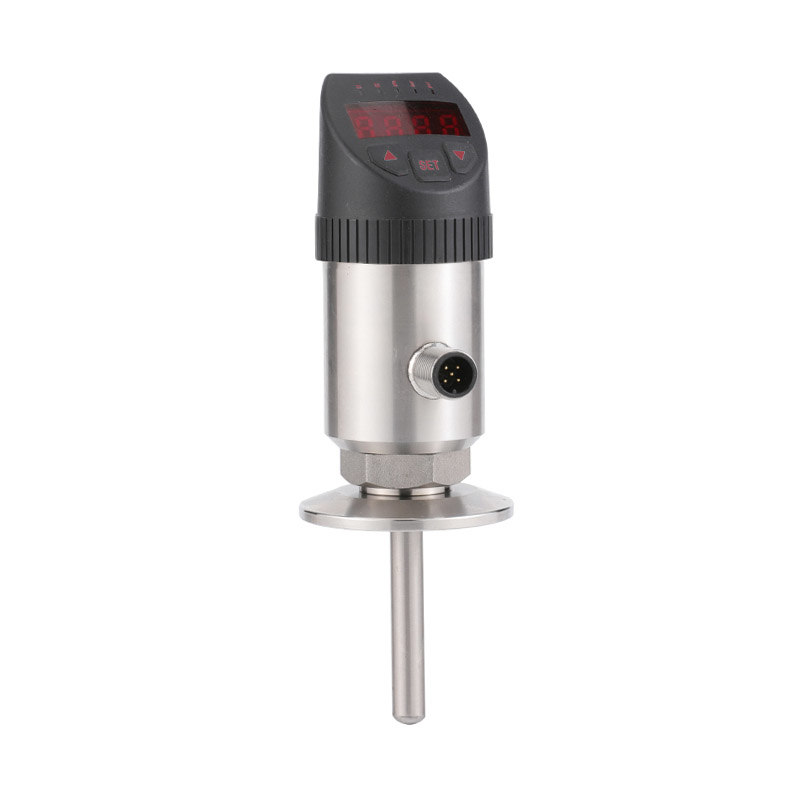
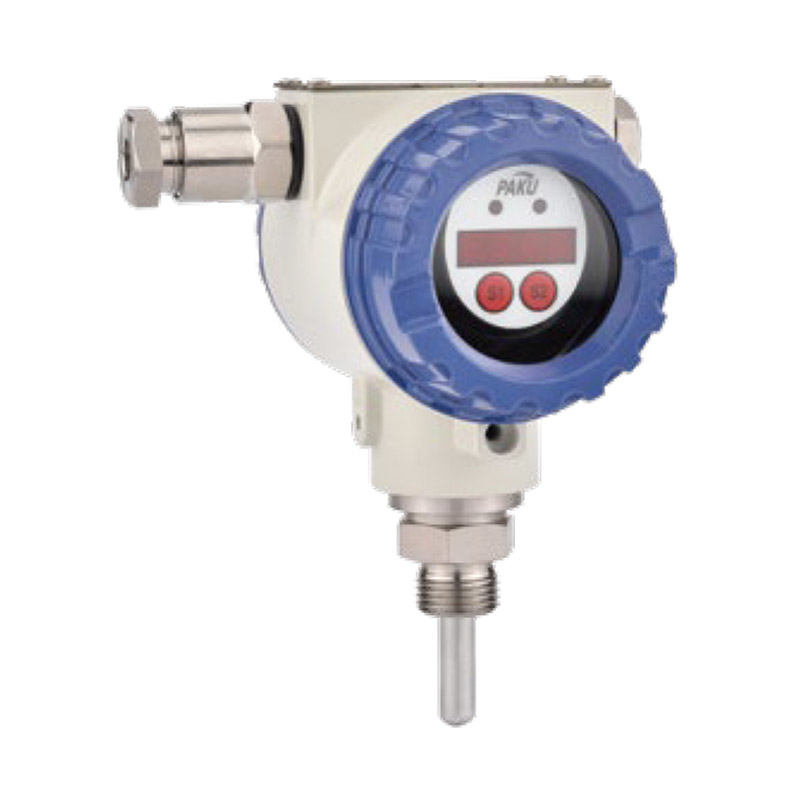
| Field-mounted | Near process | Harsh or outdoor environments |
Accuracy, Stability, and Response Time
Accuracy is the defining performance metric of a temperature transmitter. High-quality industrial transmitters typically achieve ±0.1% of span accuracy, while precision models can reach ±0.05%.
Stability over time is equally important. A drift rate of less than 0.01% per year is common for modern transmitters, reducing recalibration frequency and maintenance costs.
Response time depends on internal filtering and sensor type. In fast thermal processes, transmitters with response times under 500 ms help prevent control lag and overshoot.
Output Signals and Communication Protocols
Temperature transmitters support both analog and digital outputs, each suited to different system requirements.
Common Output Options
- 4–20 mA: immune to voltage drop and noise over long distances
- 0–10 V: simple integration for short cable runs
- HART: combines analog signal with digital diagnostics
- Modbus or Profibus: full digital communication
In process industries, 4–20 mA with HART is still dominant due to its reliability and backward compatibility with legacy systems.
Typical Industrial Applications
Temperature transmitters are used wherever temperature data must be accurate, stable, and easy to integrate into control systems.
- Chemical reactors requiring tight temperature control
- Food and beverage processing for hygiene compliance
- Power plants monitoring boilers and turbines
- HVAC systems in large commercial buildings
How to Select the Right Temperature Transmitter
Selecting a temperature transmitter should start with the sensor type and operating conditions, not just price or brand.
- Match the transmitter input to the sensor (RTD, TC type, or thermistor)
- Verify temperature range with at least 10% margin
- Consider environmental ratings (IP, vibration, EMC)
- Choose output and protocol compatible with your control system
A well-matched temperature transmitter can improve system accuracy by over 30% compared to raw sensor wiring, especially in electrically noisy environments.
information
 [email protected]
 +86-13386111894 / +86-021-37566990
[email protected]
 B-4th Floor, Lane 1313, Nanting Road, Nanqiao Town, Fengxian District, Shanghai, China

Product Links