

 +86-13386111894
 Products & Solutions
  en
en English
 Русский
 España
 عرب .
عرب .
If you need any help, please feel free to contact us
inquire
Tank Water Sensor: Types, How They Work, Applications & Selection Guide
What Is a Tank Water Sensor?
A tank water sensor is a device designed to detect, measure, and monitor the level of water or other liquids inside a tank, reservoir, or container. It converts physical water level data into an electrical signal that a control system, display, pump controller, or alarm can act upon — enabling automated filling, draining, overflow prevention, and dry-run protection without continuous manual inspection.
The importance of accurate tank level monitoring is difficult to overstate. In water treatment facilities, an undetected overflow wastes treated water and can cause regulatory violations. In industrial chemical storage, a low-level alarm failure can allow a pump to run dry and seize. In agricultural irrigation, incorrect level data leads to over- or under-watering that affects crop yield and wastes a resource that is increasingly scarce. Across all these contexts, the tank water sensor is the critical interface between physical reality and automated control.
Sensors are classified in two broad categories based on their measurement approach: contact sensors, which are physically immersed in or touch the liquid, and non-contact sensors, which measure level from above the liquid surface without any physical interaction with the fluid. Each category encompasses several distinct technologies, each with specific performance characteristics, installation requirements, and ideal application conditions.
Types of Tank Water Sensors: A Complete Overview
Six sensor technologies account for the large majority of tank water level measurement applications in commercial, industrial, and municipal settings. Understanding how each works — and where each excels or falls short — is the foundation of correct sensor selection.
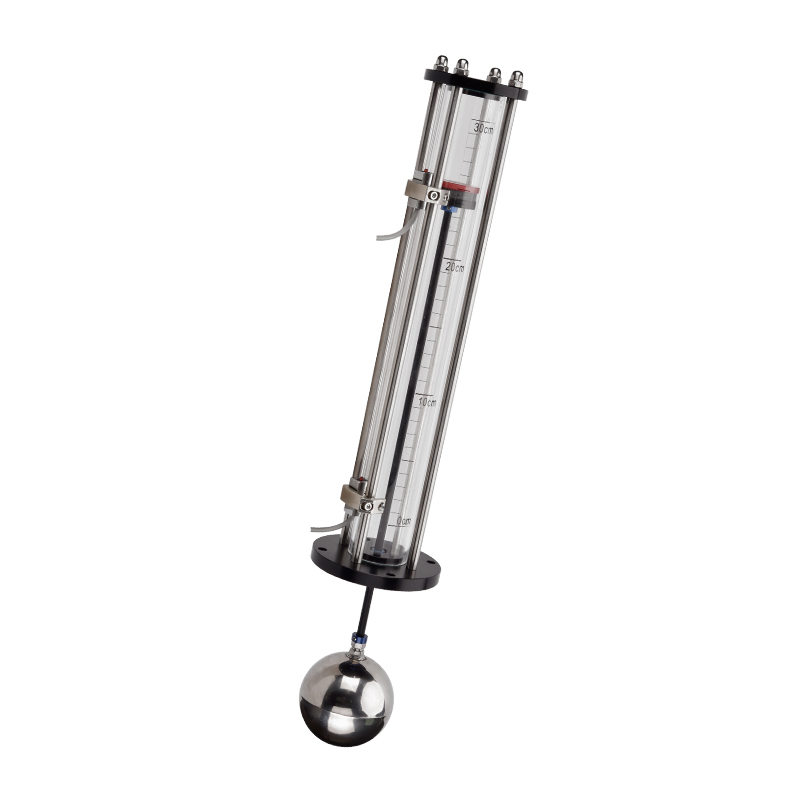
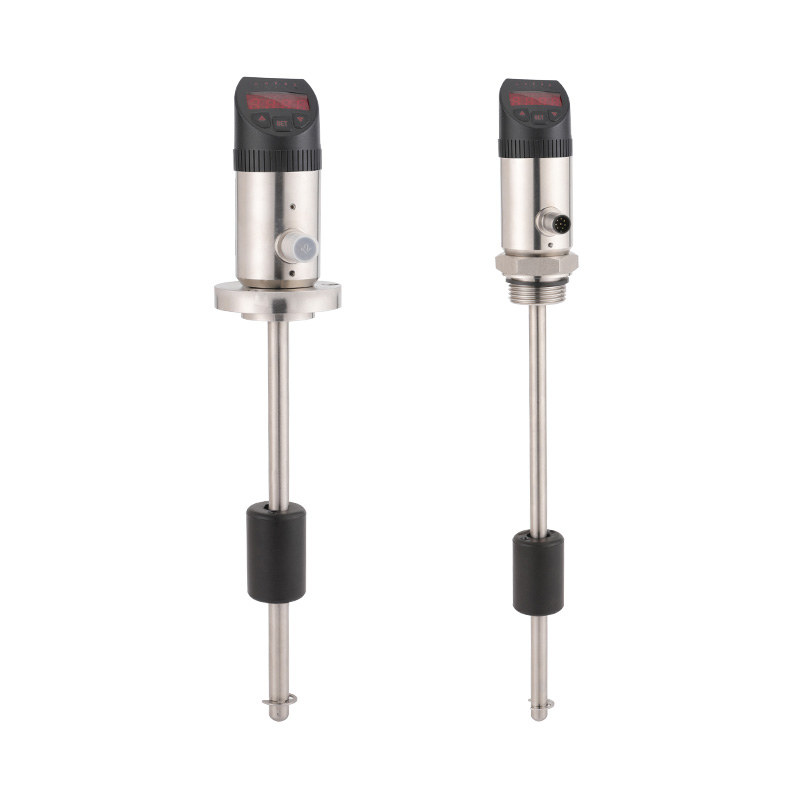
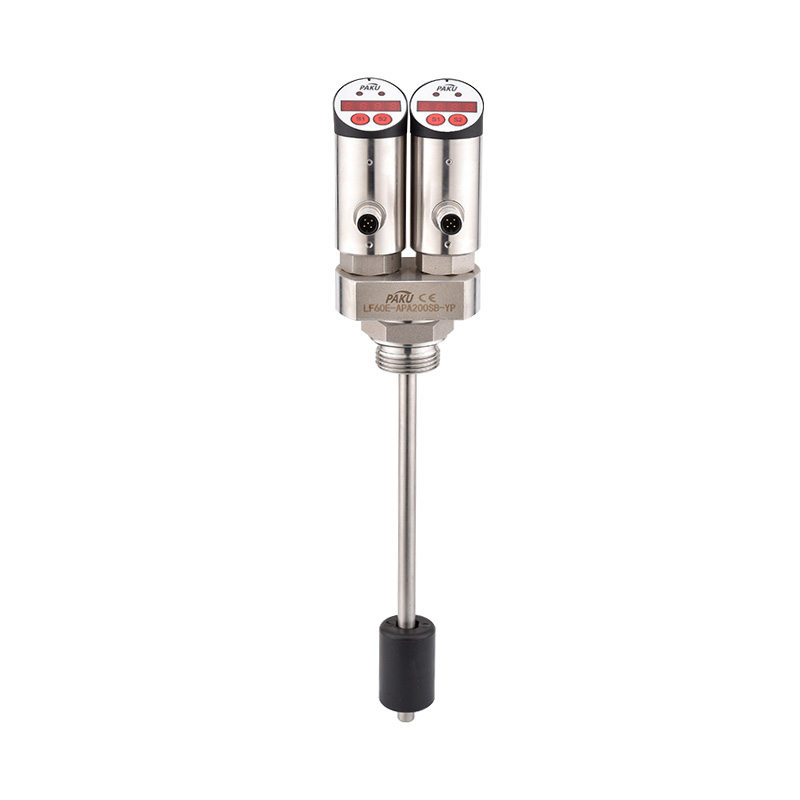
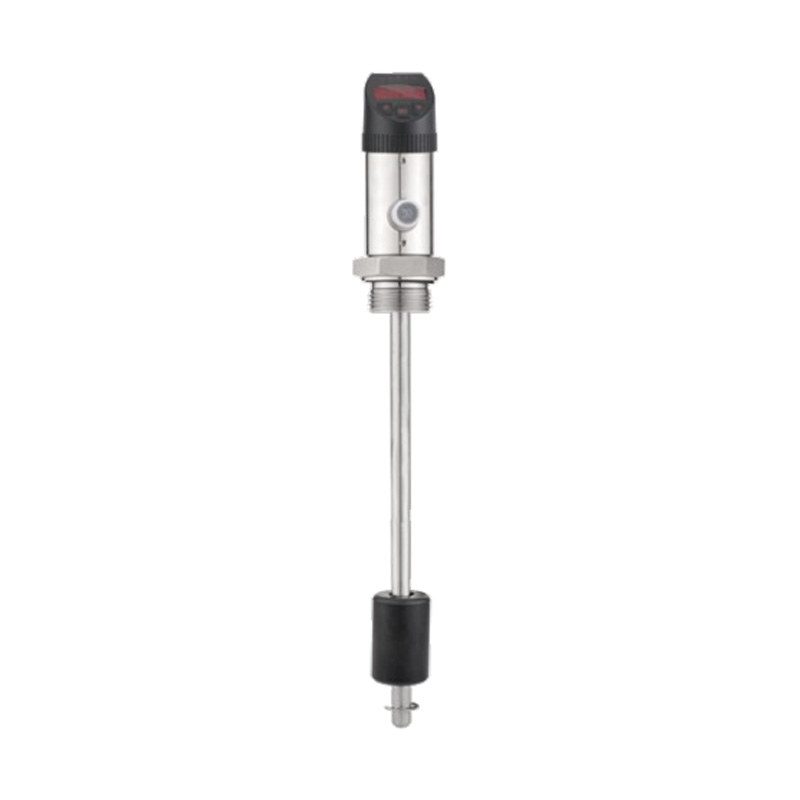
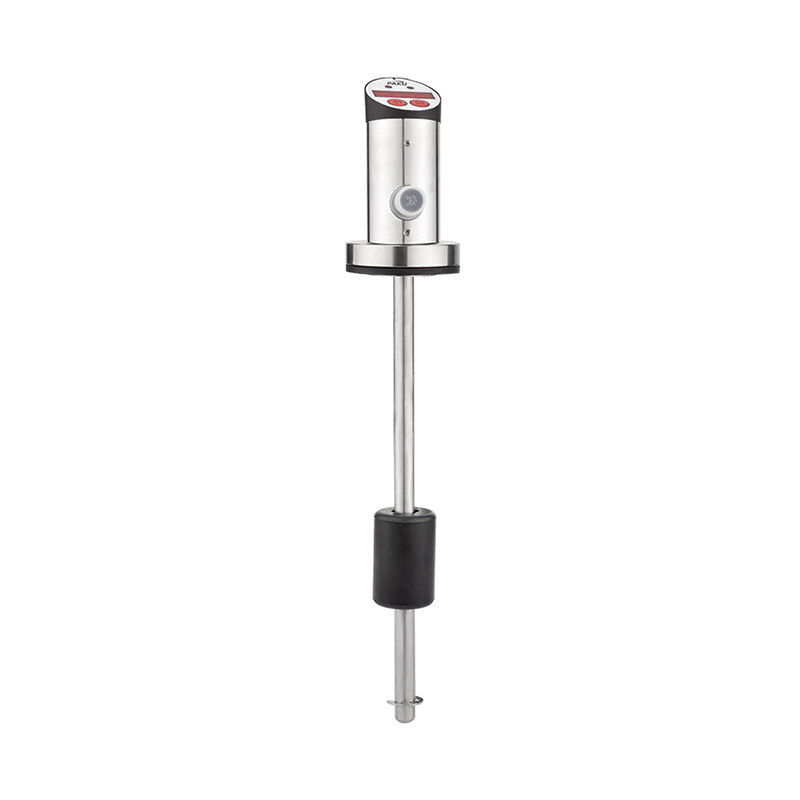
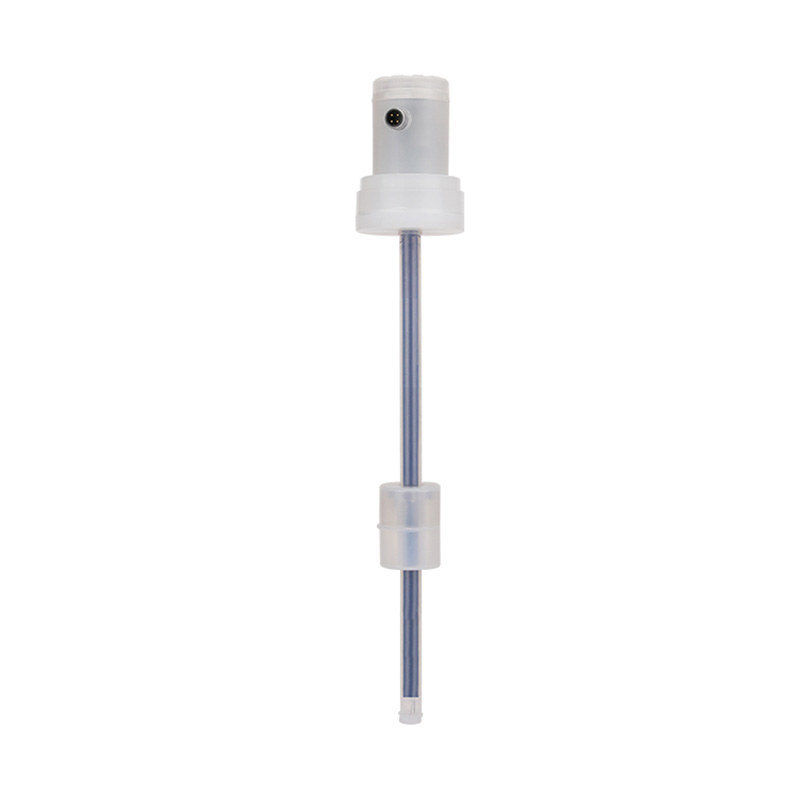
Float Level Sensors are the oldest and most mechanically straightforward type. A buoyant float rises and falls with the liquid surface, connected by an arm or cord to either a reed switch (for point-level on/off control) or a continuous position transmitter (for analog level output). When the float reaches a set height, the magnetic field generated by its movement closes or opens the reed switch, triggering a pump, valve, or alarm. Float sensors require no external power in their simplest forms, work reliably with a wide range of liquids including water, oil, and chemicals, and are cost-effective to install and replace. Their limitation is mechanical: the float and arm can become fouled in viscous or contaminated liquids, and the moving parts are subject to wear over time. They are best suited to clean or lightly contaminated liquids in tanks where point-level control is sufficient.
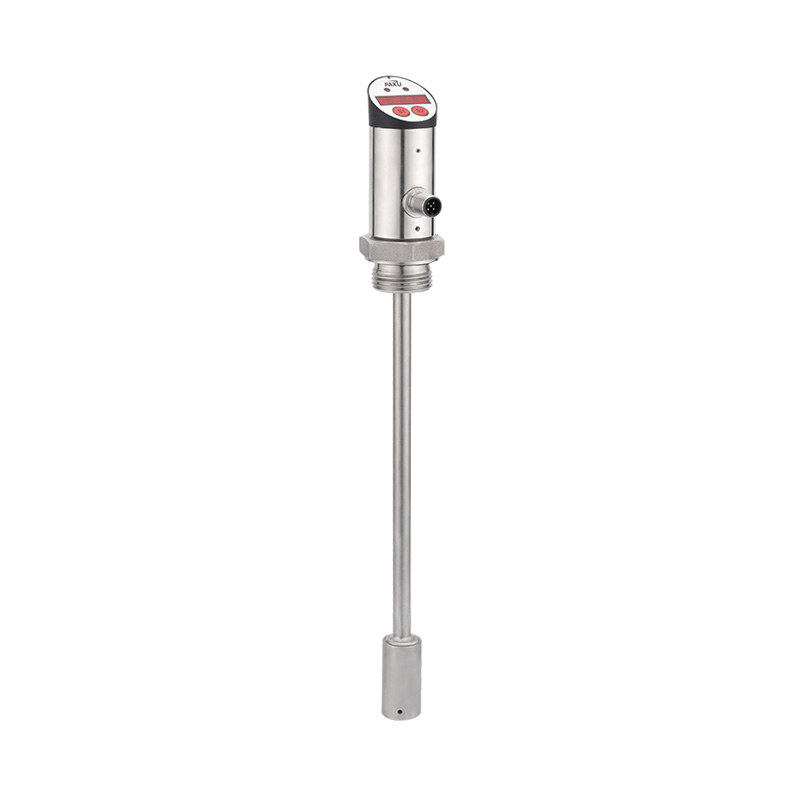
Hydrostatic Pressure Sensors (Submersible Transmitters) operate on the principle that hydrostatic pressure is directly proportional to the height of the liquid column above the sensor. Mounted at the bottom of the tank or suspended at a fixed depth, the sensor measures the pressure exerted by the water above it and converts this into a proportional 4–20 mA or 0–10 V output signal. Because the measurement is continuous and unaffected by surface turbulence, foam, or vapor, hydrostatic sensors are widely used in deep wells, large storage tanks, municipal reservoirs, and wastewater sumps. They offer accuracy typically in the range of ±0.1–0.5% of full scale and are not affected by changes in tank geometry. Their installation at the bottom of the tank means they must be rated for full submersion (IP68 minimum) and must be made from materials compatible with the pumped fluid — stainless steel for potable water and most chemicals, Hastelloy or PTFE-lined for highly aggressive media.
Ultrasonic Level Sensors are non-contact devices that emit high-frequency sound pulses from a transducer mounted at the top of the tank. The pulses travel downward through air, reflect off the liquid surface, and return to the transducer. The sensor measures the time elapsed between pulse emission and echo reception and calculates the distance to the liquid surface — and therefore the liquid level — from this time-of-flight measurement. Ultrasonic sensors require no contact with the liquid, making them ideal for corrosive chemicals, food-grade applications where contamination must be prevented, and viscous liquids that would foul contact sensors. Their main limitation is sensitivity to environmental conditions: foam on the liquid surface scatters the ultrasonic pulse and produces inaccurate readings; vapor, steam, and high dust concentrations in the tank headspace attenuate the signal; and extreme temperature gradients affect the speed of sound in air, introducing measurement error if not compensated.
Radar Level Sensors operate similarly to ultrasonic sensors in concept — time-of-flight measurement from a top-mounted transducer — but use microwave signals rather than sound waves. Because microwaves propagate at the speed of light and are unaffected by temperature, vapor, dust, or most atmospheric conditions within the tank headspace, radar sensors are significantly more robust than ultrasonic devices in challenging environments. Modern 80 GHz radar sensors (the current industry standard frequency) deliver beam angles as narrow as 3–4 degrees, enabling accurate measurement even in tanks with internal agitators, heating coils, or complex geometry. Radar sensors are the preferred technology for highly precise measurement in pressurized vessels, tanks containing volatile or hazardous liquids, and applications with steam, condensation, or heavy vapor. Their higher cost relative to ultrasonic sensors is justified in demanding industrial applications where measurement reliability is non-negotiable.
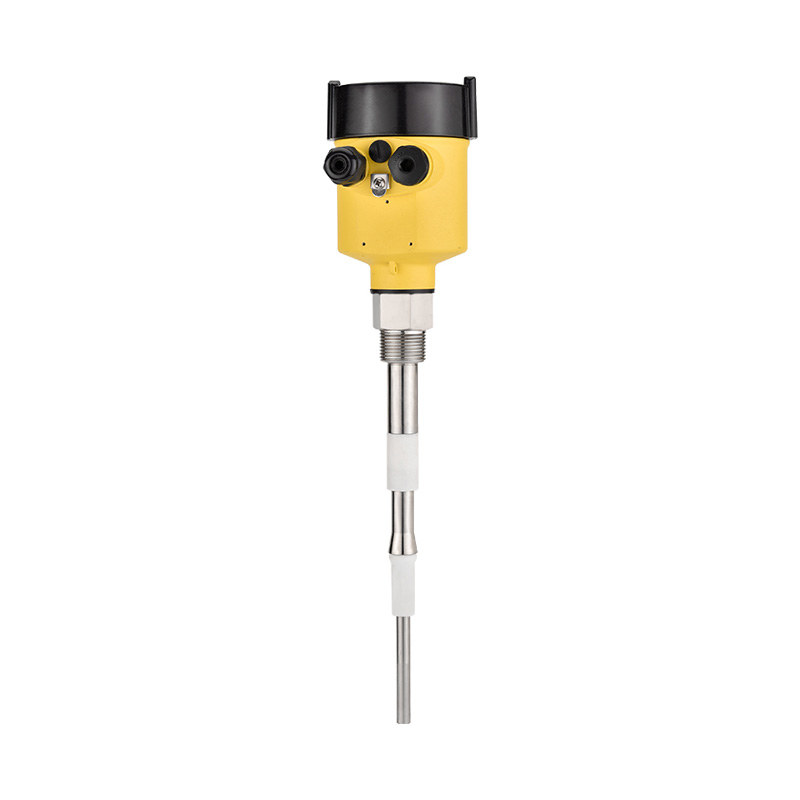
Capacitive Level Sensors measure the change in electrical capacitance between a probe inserted into the tank and the tank wall (or a reference electrode). When the liquid level rises around the probe, the dielectric constant of the medium surrounding the probe changes, altering the measured capacitance. The sensor converts this capacitance change into a level measurement. Capacitive sensors have no moving parts, are resistant to pressure and temperature extremes, and can detect both conductive liquids (where the liquid itself acts as one electrode) and non-conductive liquids (where the sensor measures the change in dielectric constant). They are well suited to chemical storage, food and beverage processing, and pharmaceutical applications. Buildup of viscous or sticky material on the probe can introduce measurement error and requires periodic cleaning.
Optical Level Sensors use a light-emitting diode (LED) and photodetector at the tip of a prism-shaped probe. When the probe tip is in air, light from the LED undergoes total internal reflection and returns to the detector. When the probe tip is submerged, the refractive index change at the glass-liquid interface disrupts the reflection, and the detector registers a level event. Optical sensors provide highly reliable point-level detection — they have no moving parts, respond almost instantly, are unaffected by vibration or foam, and are extremely compact. They are used in small tanks, machinery reservoirs, medical equipment, and appliances. They do not provide continuous level measurement — they only detect whether the liquid level is above or below the probe position — making them point-level switches rather than continuous transmitters.
| Sensor Type | Contact / Non-Contact | Output Type | Foam / Vapor Tolerance | Typical Accuracy | Relative Cost |
|---|---|---|---|---|---|
| Float Switch | Contact | Point (on/off) | Good | N/A (switch) | Low |
| Hydrostatic Pressure | Contact (submersible) | Continuous (4–20 mA) | Excellent | ±0.1–0.5% FS | Low–Medium |
| Ultrasonic | Non-Contact | Continuous | Poor (foam disrupts) | ±0.1–1% FS | Medium |
| Radar (80 GHz) | Non-Contact | Continuous | Excellent | ±1–2 mm | High |
| Capacitive | Contact | Continuous or Point | Good | ±0.5–1% FS | Medium |
| Optical | Contact | Point (on/off) | Excellent | N/A (switch) | Low–Medium |
Key Applications of Tank Water Sensors Across Industries
Tank water sensors are deployed across virtually every industry that stores, processes, or distributes liquids. The application context drives the specific performance requirements — and therefore the most appropriate sensor technology.
Municipal water and wastewater treatment relies on continuous, reliable level monitoring across storage reservoirs, clarifier tanks, chemical dosing vessels, and lift station wet wells. Hydrostatic submersible transmitters are the workhorse technology in these environments, providing robust continuous measurement at low cost. Float switches provide backup point-level protection for pump control. Ultrasonic and radar sensors are used where non-contact measurement is preferred — elevated clear-water storage tanks, for instance, where a submersible sensor would require costly retrieval for maintenance.
Industrial chemical storage and processing demands sensor materials and designs that resist corrosive, flammable, or hazardous media. Non-contact radar sensors are increasingly standard for aggressive chemical storage because they eliminate the risk of sensor corrosion and fluid contamination simultaneously. Capacitive sensors with PTFE-coated probes handle moderately aggressive media in process tanks. All sensors deployed in areas classified as hazardous (ATEX or NEC zones) must carry the appropriate explosion-proof certification.
Agriculture and irrigation uses tank water sensors to automate the management of on-farm storage tanks, header tanks, and irrigation supply reservoirs. Float switches trigger pump start/stop cycles based on high and low level setpoints. Submersible pressure transmitters feed continuous level data to irrigation controllers that calculate available water volume and schedule pump runs accordingly. In remote locations without mains power, sensors with low power consumption and compatibility with solar-charged battery systems — or wireless LoRa communication — are essential.
Food and beverage processing requires sensors that are hygienic, easy to clean, and made from food-contact-approved materials. Ultrasonic sensors are preferred where non-contact is achievable, since they introduce no contamination risk. Where contact sensors are necessary — ingredient tanks, mixing vessels, CIP tanks — capacitive probes in sanitary fittings with electropolished stainless steel wetted surfaces meet industry hygiene standards. All sensors in food processing environments must be rated for the temperature and chemical concentrations used in cleaning-in-place (CIP) cycles.
Building services and HVAC applications include cooling tower basins, thermal storage tanks, expansion vessels, and domestic hot water cylinders. Float switches and compact optical sensors handle most point-level duties in these applications. For larger plant rooms or building management system integration, submersible transmitters provide 4–20 mA outputs compatible with BMS controllers for continuous level trending and alarm management.
How to Choose the Right Tank Water Sensor: A Selection Framework
With six viable sensor technologies and dozens of variants within each category, sensor selection can appear complex. In practice, a structured evaluation of five application variables narrows the field quickly to one or two appropriate technology candidates.
Liquid characteristics are the first filter. Is the liquid clean, corrosive, viscous, aerated, or laden with suspended solids? Clean water accepts almost any sensor type. Corrosive chemicals require non-contact measurement or contact materials rated for chemical resistance. Highly viscous liquids that coat probe surfaces eliminate capacitive and optical sensors from consideration. Foaming liquids rule out ultrasonic sensors unless the foam layer is thin and consistent.
Measurement type required — continuous level versus point-level switching — determines the output format needed. If the application requires only pump start/stop or high/low alarm activation, a float switch or optical sensor provides a simple, cost-effective solution. If the application requires volume calculation, PLC integration, trend monitoring, or proportional control, a continuous analog transmitter (pressure, ultrasonic, radar, or capacitive) is necessary.
Tank geometry and installation access affect which sensors can be physically accommodated. Tall, narrow tanks favor top-mounted non-contact sensors with a narrow beam angle. Tanks with internal fittings, agitators, or heating coils require radar sensors with sufficient beam control to avoid false echoes. Tanks without top access favor submersible sensors installed through a bottom or side port. Plastic tanks require sensors that can be installed through standard bulkhead fittings without grounding issues for capacitive designs.
Environmental conditions include temperature range, operating pressure, dust or vapor in the headspace, and outdoor exposure. Sensors specified for the operating temperature extremes of the application — including process fluid temperature and ambient temperature — will avoid failures caused by thermal stress. IP68 rating is the minimum for any sensor in contact with liquid; sensors in outdoor locations should additionally carry UV-stable housing materials.
Integration and communication requirements determine the output standard needed. Most industrial sensors output 4–20 mA analog signals compatible with PLCs and SCADA systems. Digital protocols including HART, Modbus RTU, and IO-Link are available on premium sensors and allow bidirectional communication for remote configuration and diagnostics. Wireless sensors using LoRa, NB-IoT, or WiFi eliminate signal cabling in remote or hard-to-wire installations — a growing requirement in smart water management and precision agriculture deployments.
Installation, Maintenance, and Calibration Best Practices
Correct installation and consistent maintenance determine whether a tank water sensor delivers its rated accuracy over its service life. Several practices apply across all sensor types.
For submersible pressure sensors, the vent tube in the signal cable must remain unobstructed and open to atmosphere at the control panel end to maintain accurate differential pressure measurement. Crimped, flooded, or blocked vent tubes are the most common cause of submersible sensor drift and should be inspected at every maintenance visit. The sensor should be suspended at the correct depth and prevented from resting on the tank bottom, where sediment accumulation can cause pressure errors and abrasive damage.
For ultrasonic and radar sensors, the transducer must be mounted perpendicular to the liquid surface and positioned away from tank inlets, agitators, and internal fittings that produce false echoes. A minimum dead band distance below the transducer — typically 0.3–0.5 m for ultrasonic, less for high-frequency radar — must be respected to avoid measurement errors when the tank is nearly full. Regular cleaning of the transducer face removes condensation and dust buildup that attenuates the signal.
Calibration should be performed at commissioning and at annual intervals thereafter. For pressure sensors, this involves verifying the zero point (with the tank empty or with the sensor in air) and the span (with a known liquid column height). For ultrasonic and radar sensors, calibration involves confirming the empty distance and full distance against physical measurements of the tank. Sensors with drift outside the manufacturer's tolerance should be recalibrated or replaced — a small investment compared to the cost of a process upset caused by inaccurate level data.
information
 [email protected]
 +86-13386111894 / +86-021-37566990
[email protected]
 B-4th Floor, Lane 1313, Nanting Road, Nanqiao Town, Fengxian District, Shanghai, China

Product Links