

 +86-13386111894
 Products & Solutions
  en
en English
 Русский
 España
 عرب .
عرب .
If you need any help, please feel free to contact us
inquire
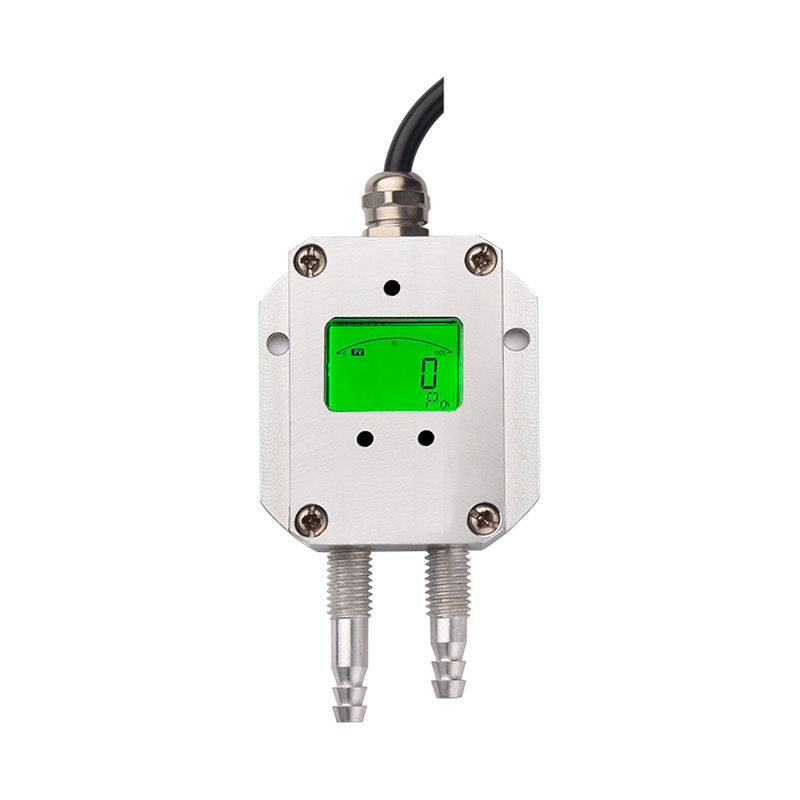
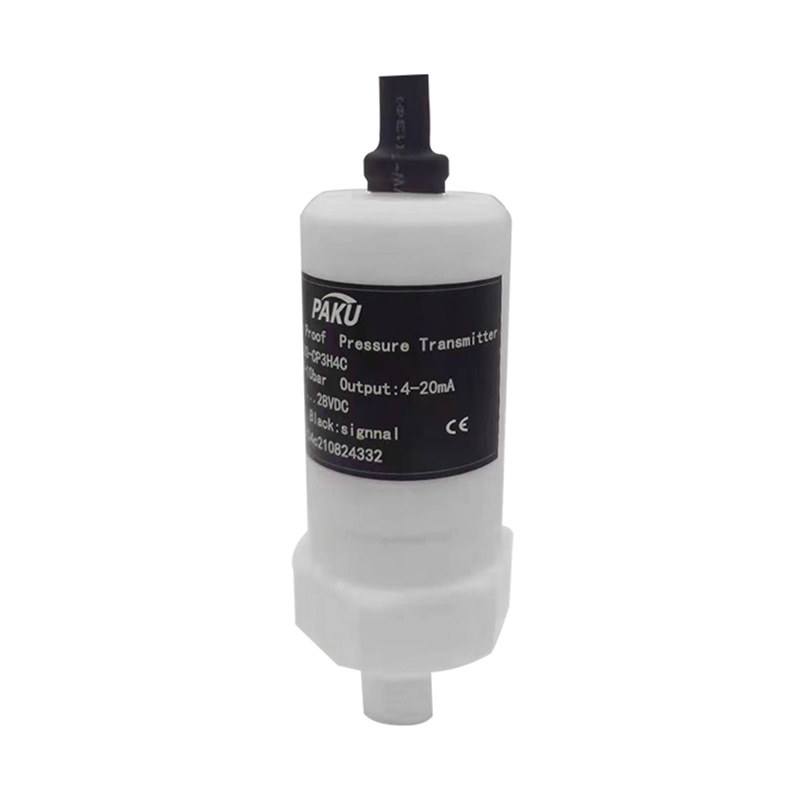
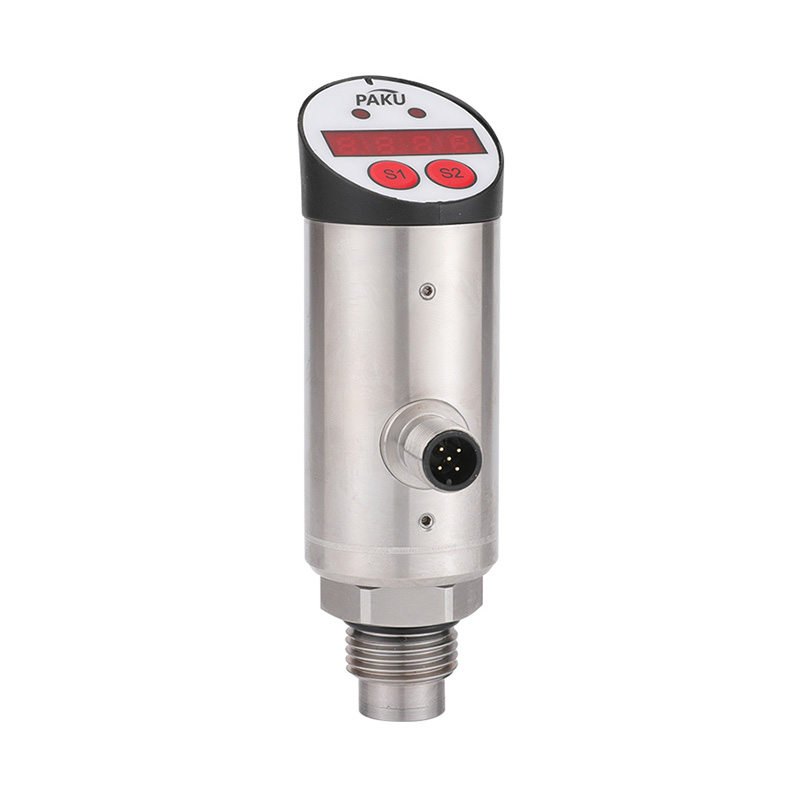
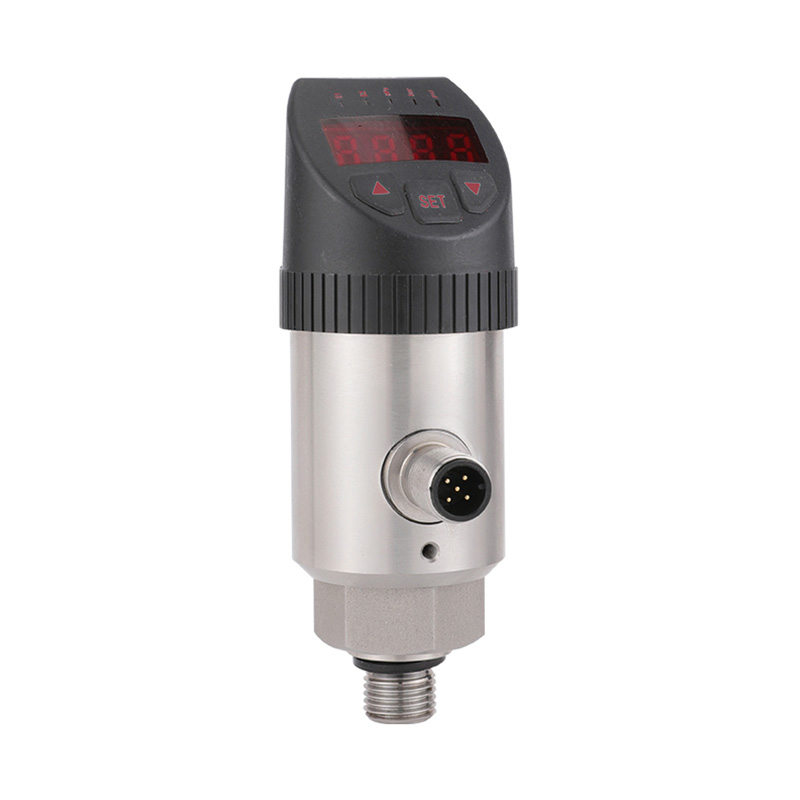
Micro Differential Pressure Transmitter: Guide & Applications
The Critical Role of Micro Differential Pressure Transmitters
Micro differential pressure transmitters are precision instruments designed to measure minute differences in pressure between two points, often in the range of Pascals (Pa) or inches of water column (inWC). These devices are essential for maintaining indoor air quality and process efficiency, with accuracy levels reaching ±0.25% of full scale, ensuring reliable data for critical control systems.
Unlike standard pressure sensors, micro differential models are engineered to detect subtle changes that indicate filter clogging, airflow imbalances, or containment breaches. They are the backbone of modern HVAC automation, cleanroom monitoring, and laboratory safety protocols, providing real-time feedback to building management systems (BMS).
Key Applications in Industry and Healthcare
The versatility of micro differential pressure transmitters makes them indispensable in various sectors:
- HVAC Filter Monitoring: Detects pressure drop across air filters. A rise in differential pressure indicates clogging, prompting timely maintenance before airflow is restricted. This can reduce energy consumption by up to 15% by preventing fan overwork.
- Cleanroom Containment: Ensures positive or negative pressure gradients between rooms to prevent cross-contamination. In pharmaceutical manufacturing, maintaining a precise 10–15 Pa difference is critical for compliance with ISO 14644 standards.
- Laboratory Safety: Monitors fume hood performance and biosafety cabinet integrity, protecting researchers from hazardous exposures by alerting staff to pressure deviations.
- Building Envelope Testing: Used in blower door tests to measure air leakage in residential and commercial structures, aiding in energy efficiency certifications.
Technology Types and Selection Criteria
Choosing the right transmitter depends on the specific measurement requirements and environmental conditions:
Capacitive Sensors
Offer high stability and accuracy over time. They are less sensitive to temperature fluctuations and ideal for critical applications like cleanrooms where long-term drift must be minimized.
Piezoresistive Sensors
Provide fast response times and robustness against overpressure events. Suitable for industrial environments with potential pressure spikes, though they may require more frequent calibration than capacitive types.
Thermal Mass Flow Sensors
Often used in conjunction with pressure measurements to calculate airflow volume. They are highly sensitive but require clean air to prevent sensor fouling.
| Technology | Accuracy | Stability | Best Use Case |
|---|---|---|---|
| Capacitive | High (±0.25%) | Excellent | Cleanrooms, Labs |
| Piezoresistive | Medium (±0.5%) | Good | Industrial HVAC |
| Thermal | High | Moderate | Airflow Velocity |
Installation and Calibration Best Practices
Proper installation ensures accurate readings and longevity of the transmitter:
- Orientation: Mount the device vertically as specified by the manufacturer. Incorrect orientation can cause zero-shift errors due to gravity effects on the sensing element.
- Tubing Connections: Use short, straight runs of tubing to connect pressure ports. Avoid kinks or sharp bends that can dampen pressure signals or trap condensation.
- Zero Calibration: Perform a zero calibration after installation and periodically during operation. Ensure both pressure ports are exposed to the same atmospheric pressure during this process.
- Environmental Protection: Install in areas with stable temperatures. Extreme heat or cold can affect sensor accuracy. Use snubbers if pressure spikes are expected.
Regular maintenance and calibration can extend the operational life by 3–5 years and ensure compliance with industry standards.
Troubleshooting Common Issues
Even high-quality transmitters may encounter issues. Here is how to address them:
- Drifting Readings: Often caused by temperature changes or sensor aging. Recalibrate the zero point and check for environmental fluctuations.
- No Signal: Verify power supply connections and wiring integrity. Check if the output loop is open or shorted.
- Slow Response: Inspect tubing for blockages, moisture, or leaks. Clean or replace tubing if necessary to restore signal speed.
By understanding the capabilities and maintenance needs of micro differential pressure transmitters, facility managers and engineers can ensure optimal performance, safety, and energy efficiency in their systems.
information
 [email protected]
 +86-13386111894 / +86-021-37566990
[email protected]
 B-4th Floor, Lane 1313, Nanting Road, Nanqiao Town, Fengxian District, Shanghai, China

Product Links