

 +86-13386111894
 Products & Solutions
  en
en English
 Русский
 España
 عرب .
عرب .
If you need any help, please feel free to contact us
inquire
Level Sensors for Liquids: Types, How They Work & How to Choose
The Industrial Cost of Getting Liquid Level Wrong
A chemical storage tank overflows because the sensor missed a rising level by a few centimeters. A cooling system runs dry because the low-level alarm never fired. These scenarios repeat across manufacturing floors, water treatment plants, and processing facilities every year — and in almost every case, the root cause is the same: the wrong sensor for the job, or no sensor at all.
Liquid level sensors are the instruments that detect, measure, and report the position of a liquid surface inside a tank, vessel, or pipeline. They serve two fundamentally different purposes. Point-level detection identifies whether liquid has reached a specific threshold — triggering a pump, an alarm, or a shutoff valve. Continuous level measurement tracks the liquid surface in real time across the full range of a tank, feeding live data into control systems and SCADA platforms. Choosing the right type begins with knowing which of these two functions your application actually requires.
Main Types of Liquid Level Sensors
Liquid level sensing technology has expanded well beyond the simple float switch. Today's industrial applications draw on five distinct sensing principles, each with a different relationship to the liquid it measures.
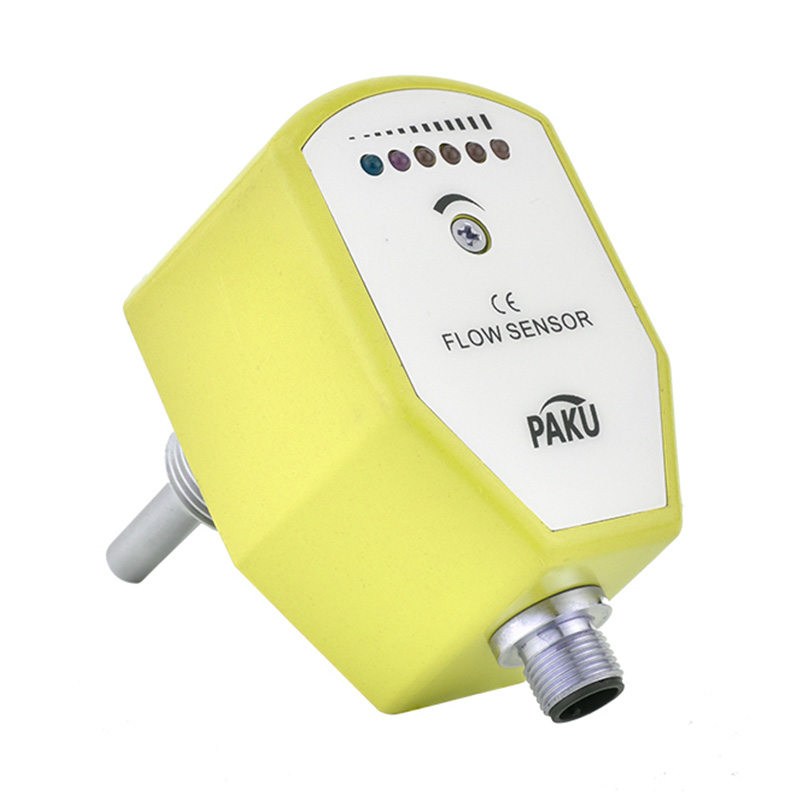
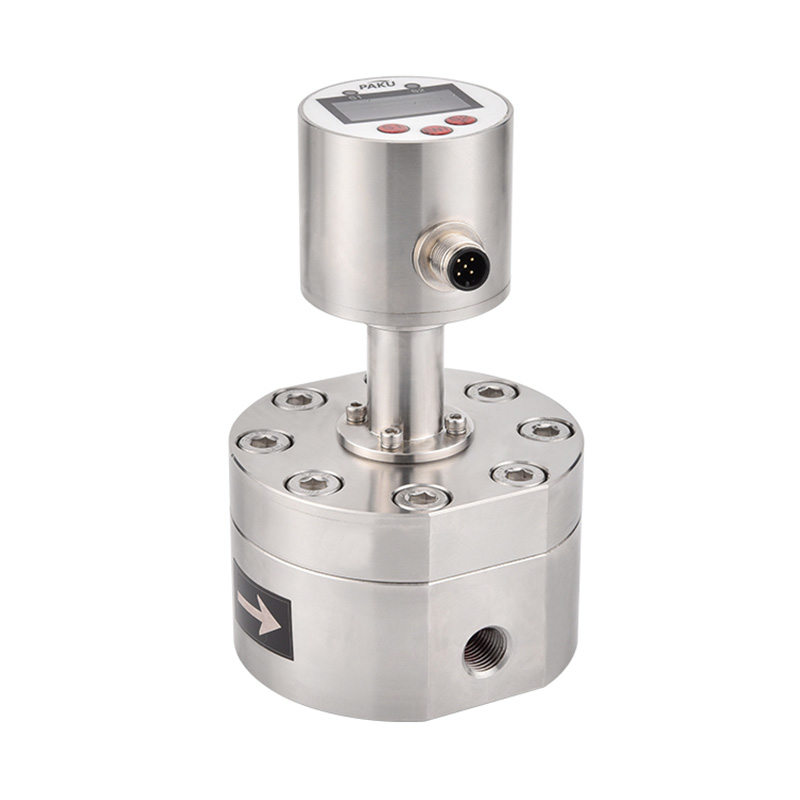
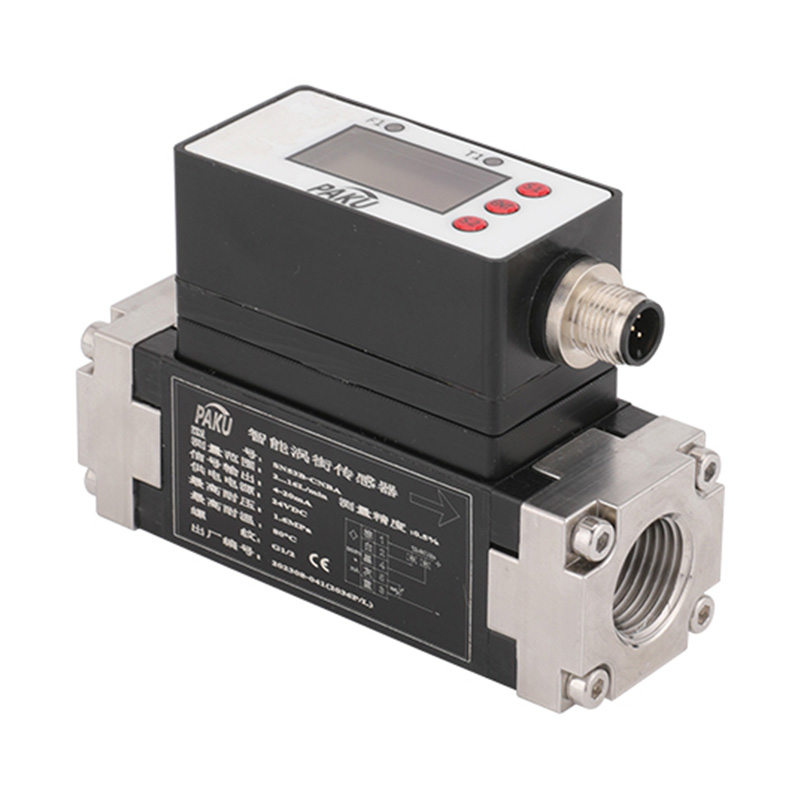
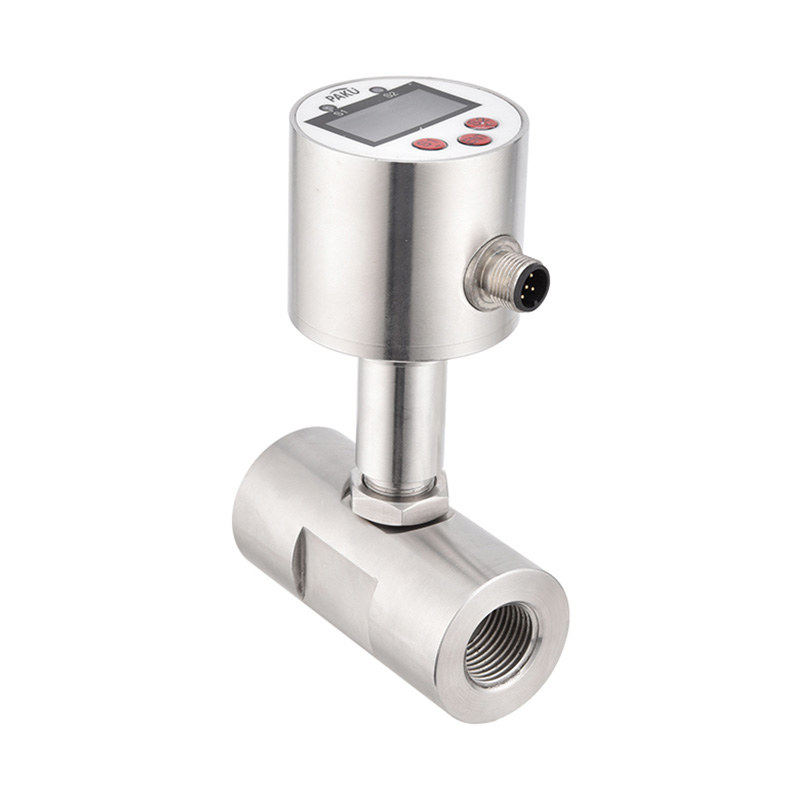
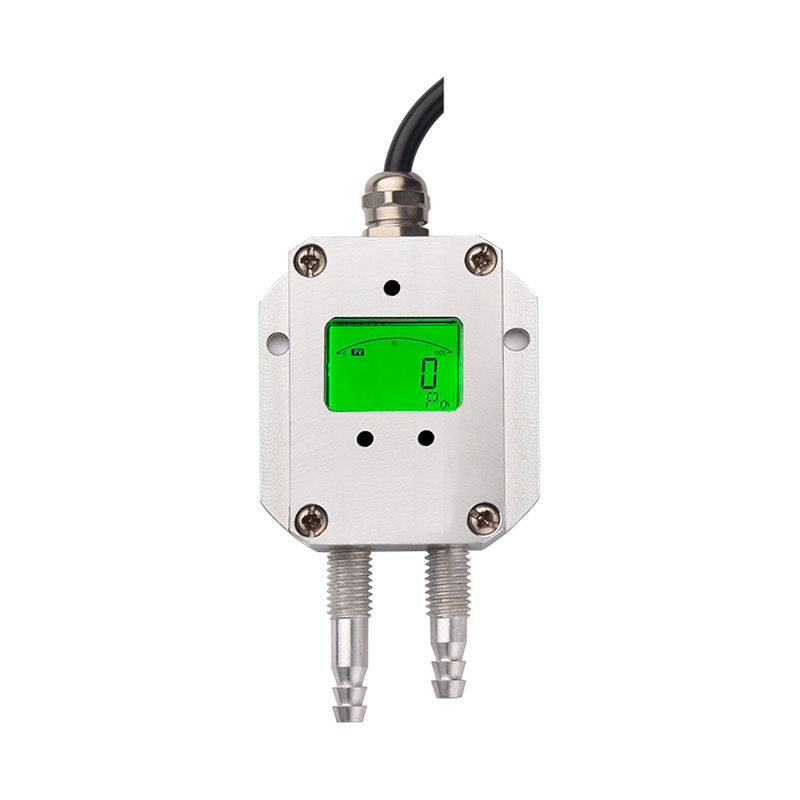
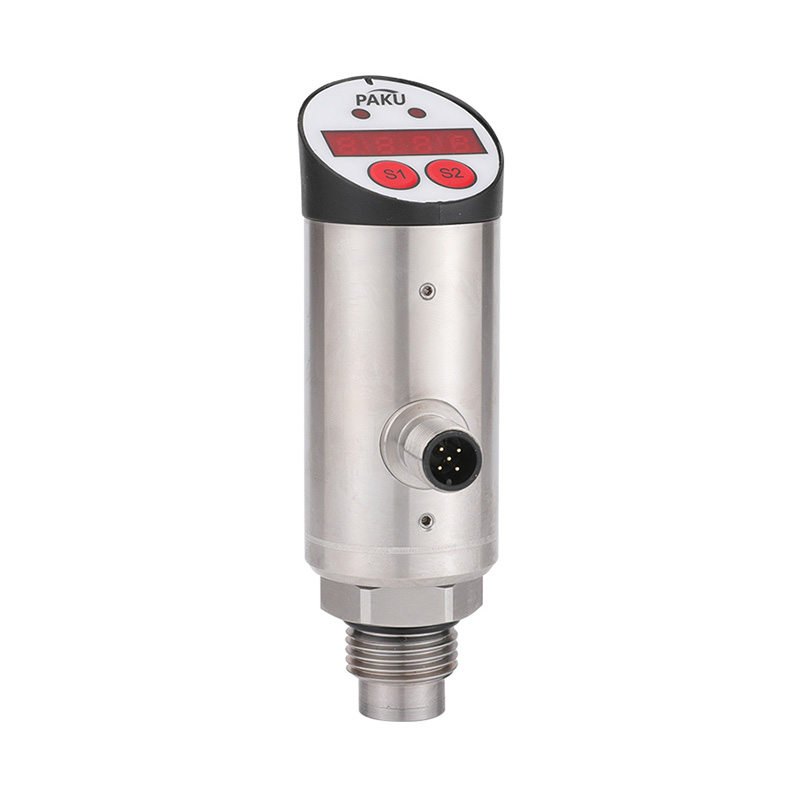
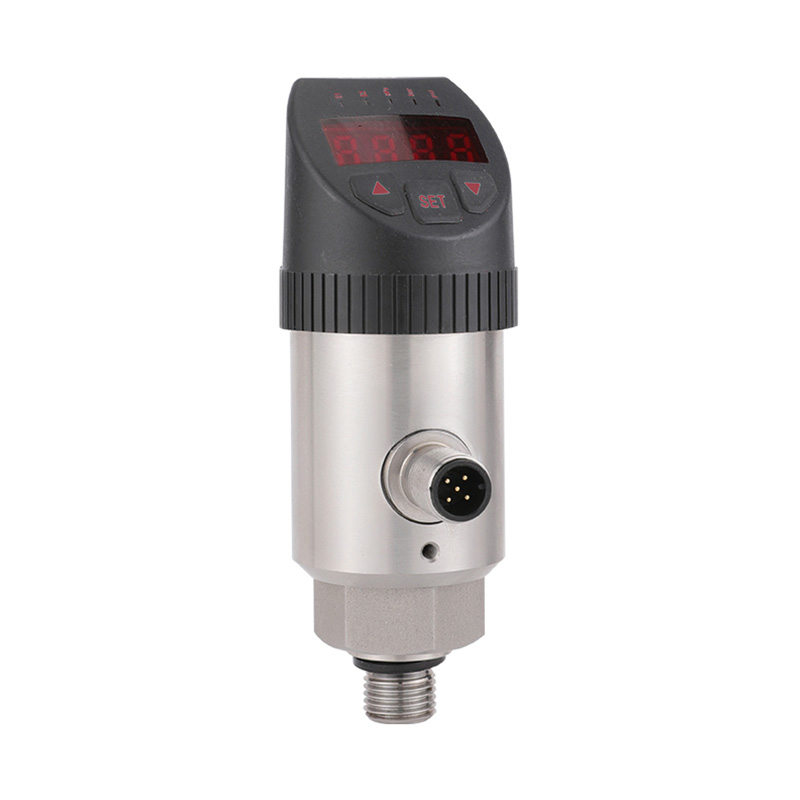
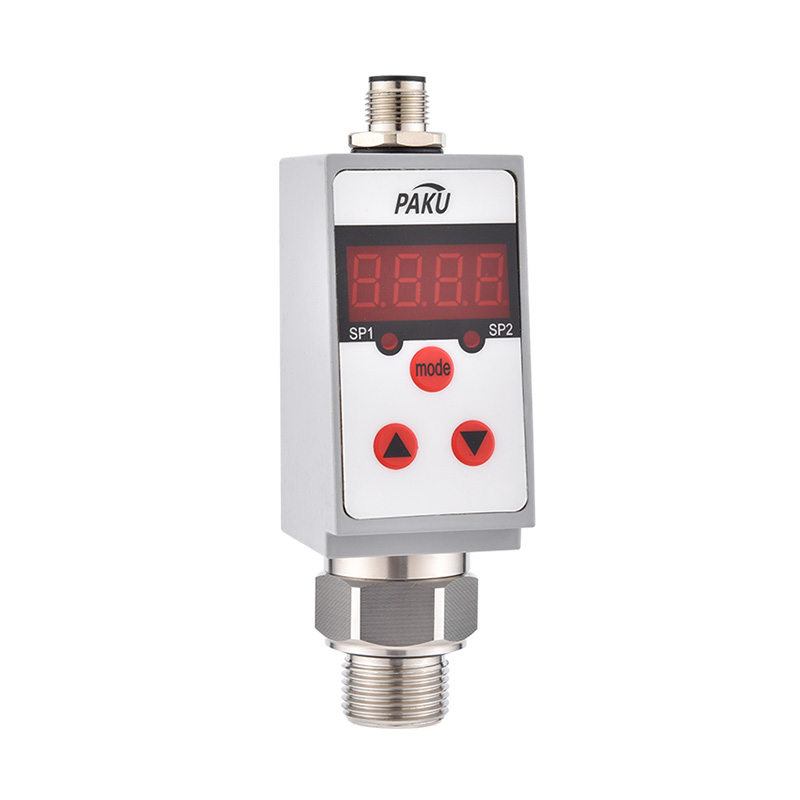
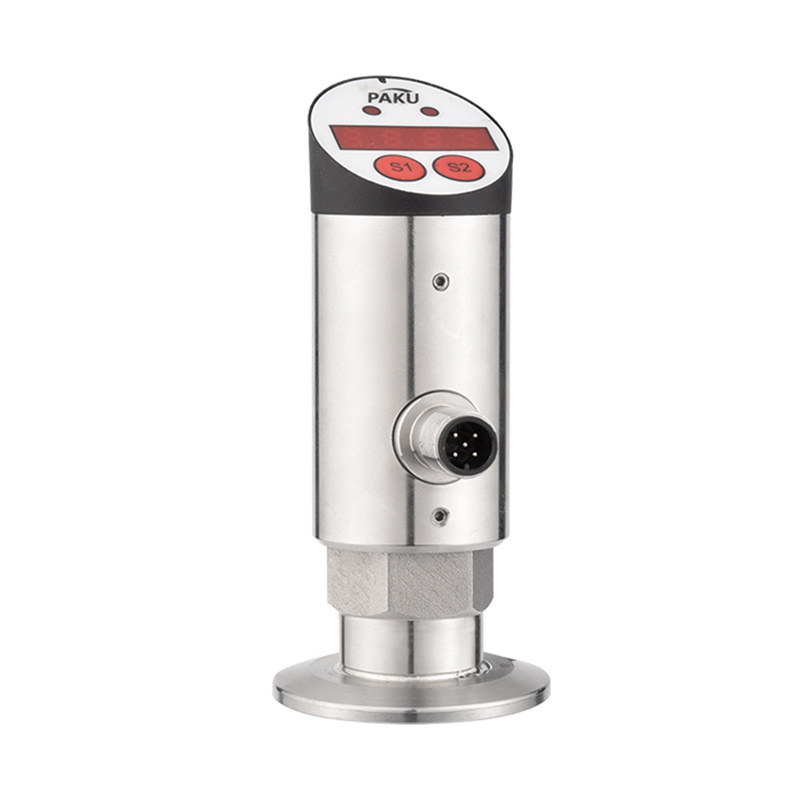
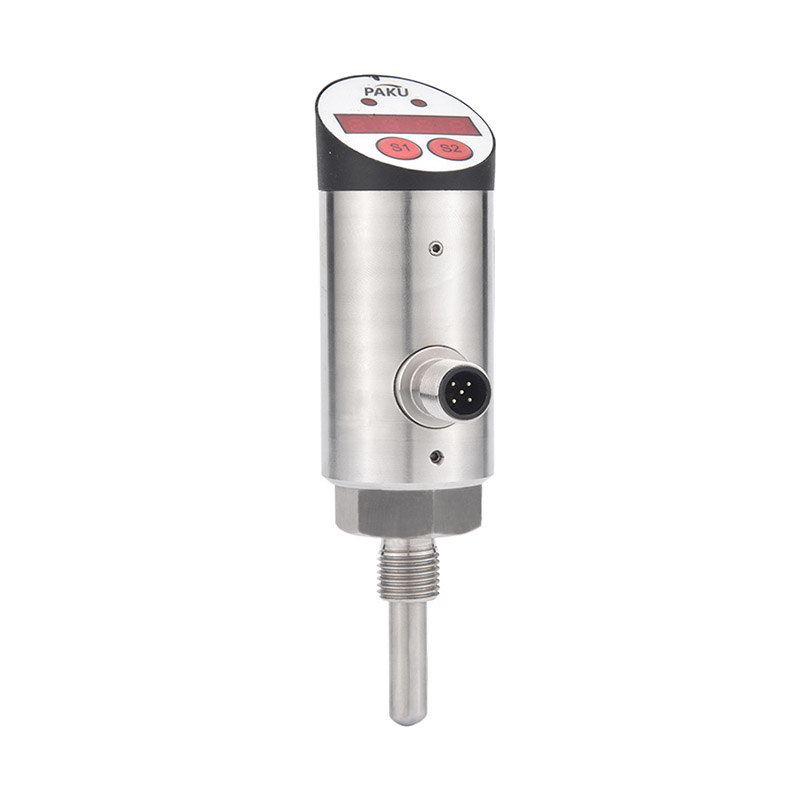
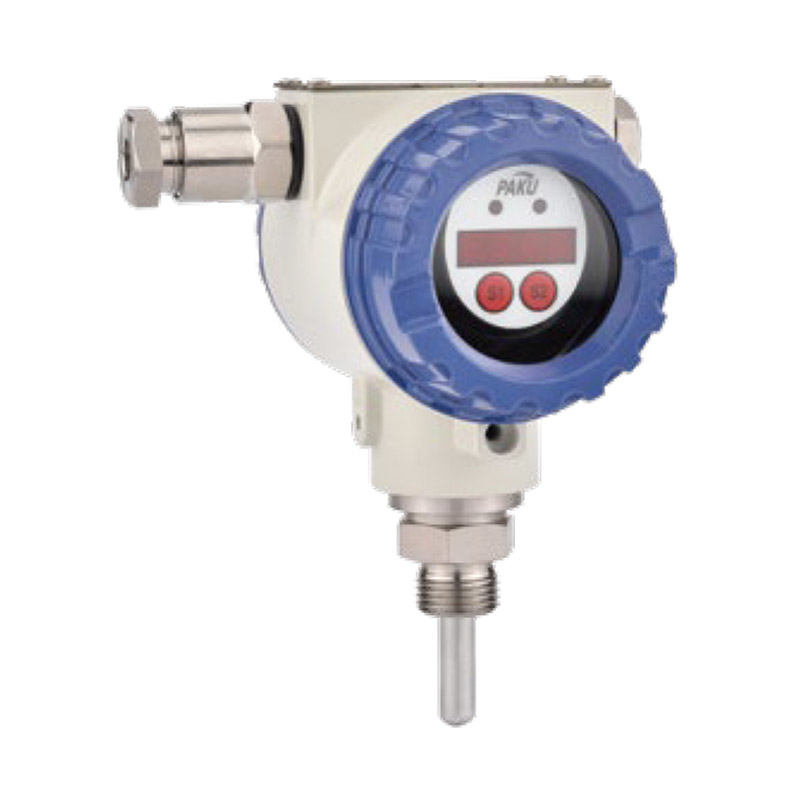
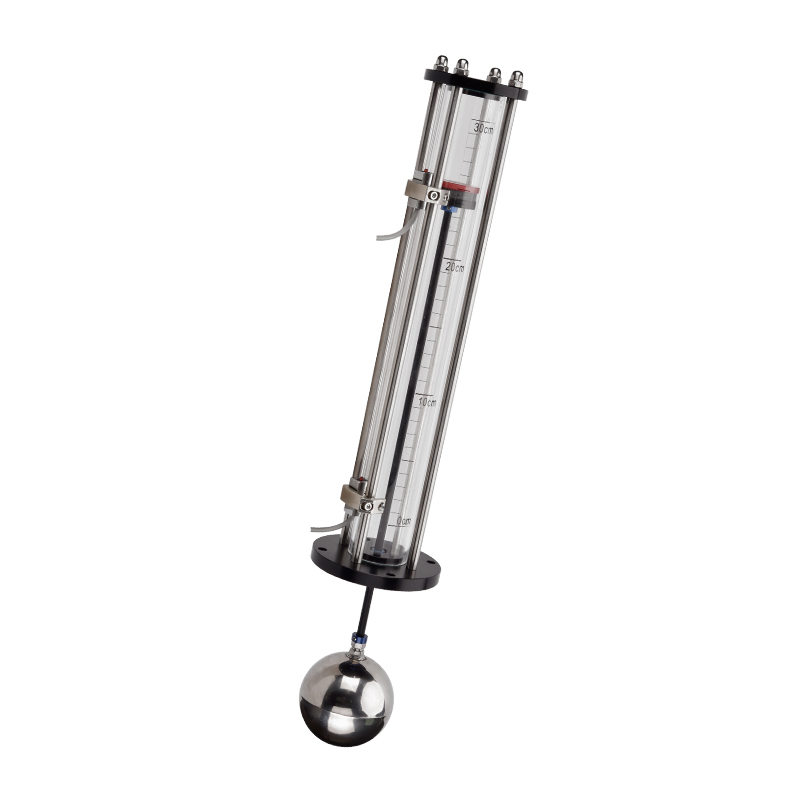
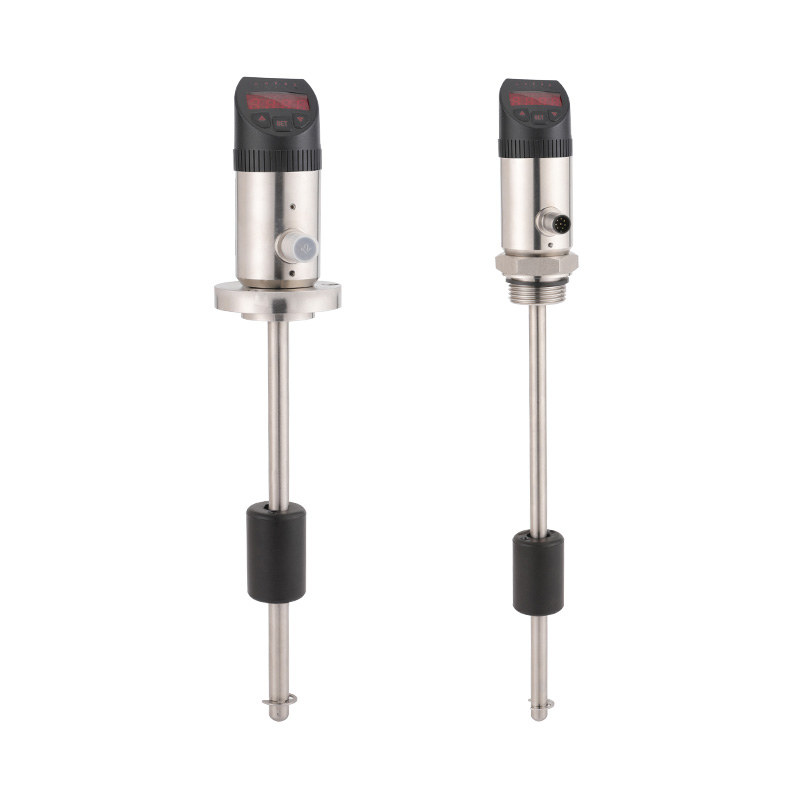
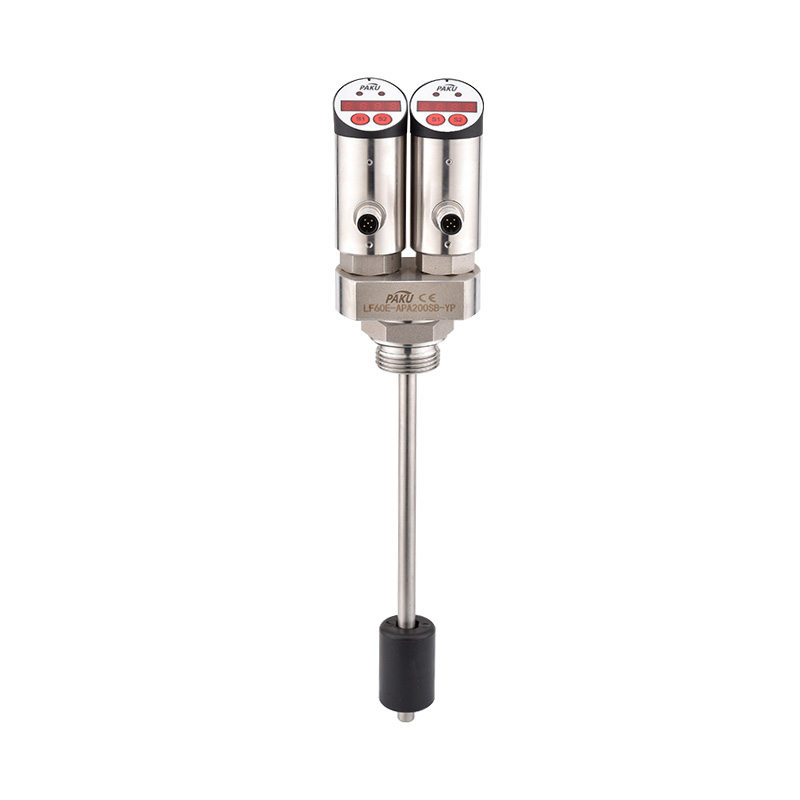
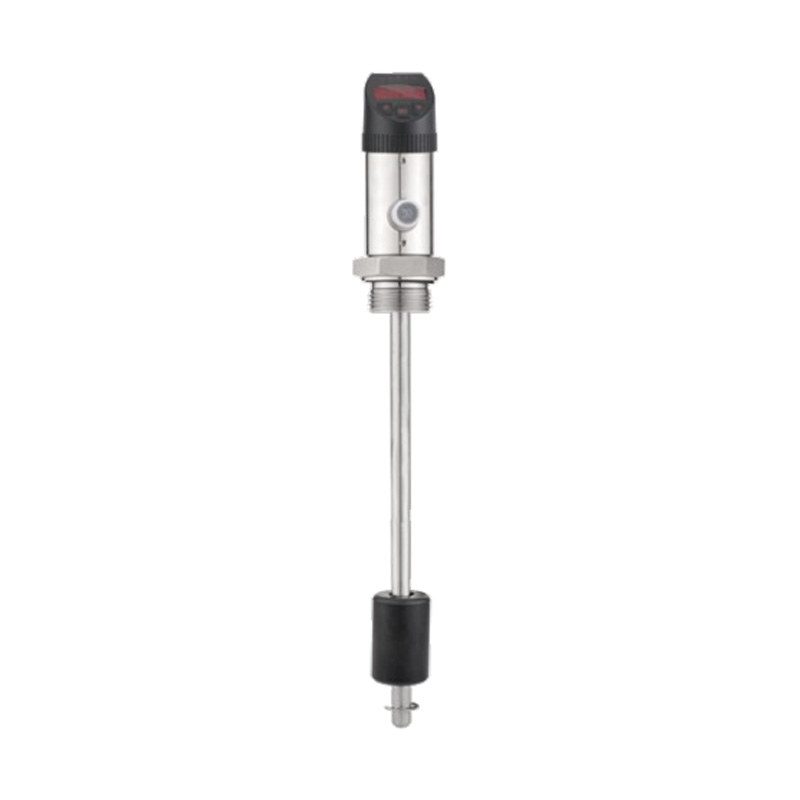
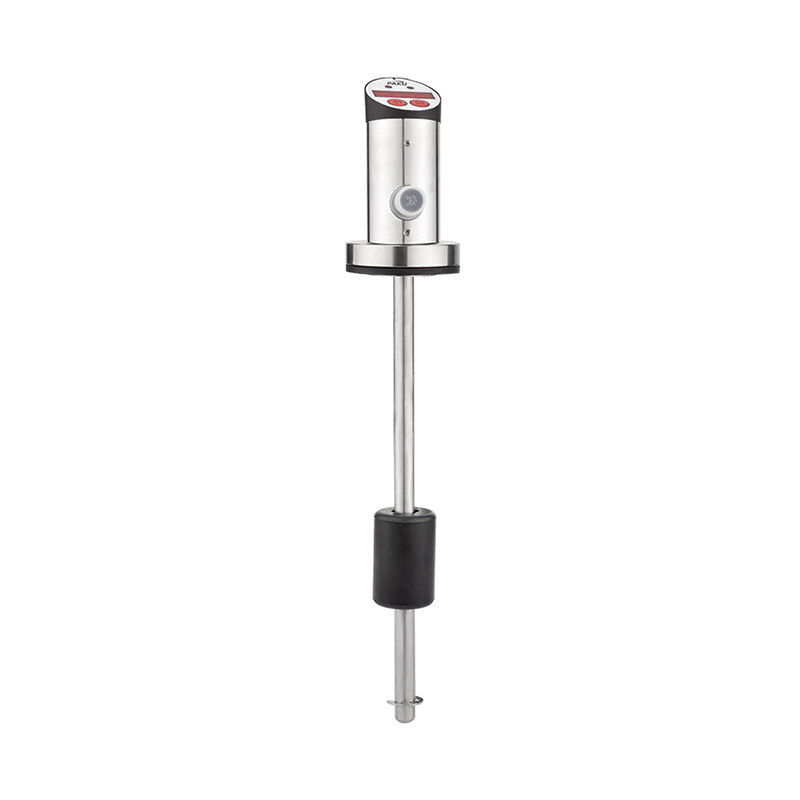
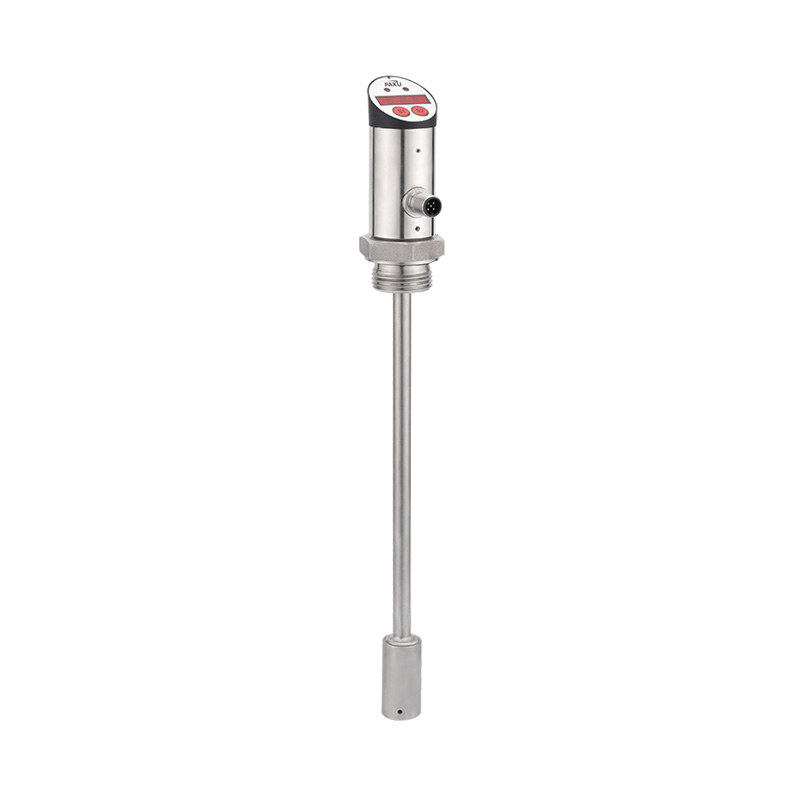
Float and magnetic induction sensors are the most established technology. A magnetic float rises and falls with the liquid surface, triggering a reed switch sealed inside a stainless steel tube. The result is a clean, reliable on/off switch signal with no electronics in contact with the medium. The electronic and optical liquid level sensors with digital display available from Paku Sensors extend this principle with integrated signal processing, delivering both switch output and a real-time level readout in a single compact unit.
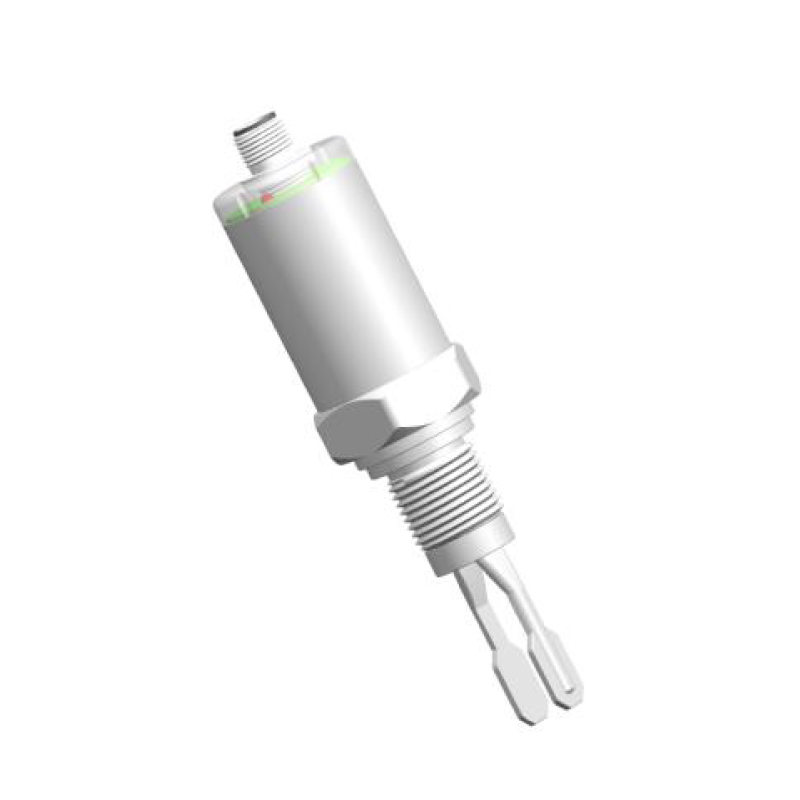
Electronic liquid level switches use magnetic induction or optical infrared technology to detect the presence or absence of liquid at a fixed point. They have no moving parts, respond in milliseconds, and are unaffected by vibration — advantages that make them well suited to machine coolant reservoirs, hydraulic systems, and anywhere float travel space is limited.
Ultrasonic sensors emit high-frequency sound pulses from above the liquid surface and calculate distance by measuring the round-trip time of the reflected echo. Because the transducer never contacts the liquid, ultrasonic measurement is inherently non-contact and maintenance-free in most clean-liquid applications.
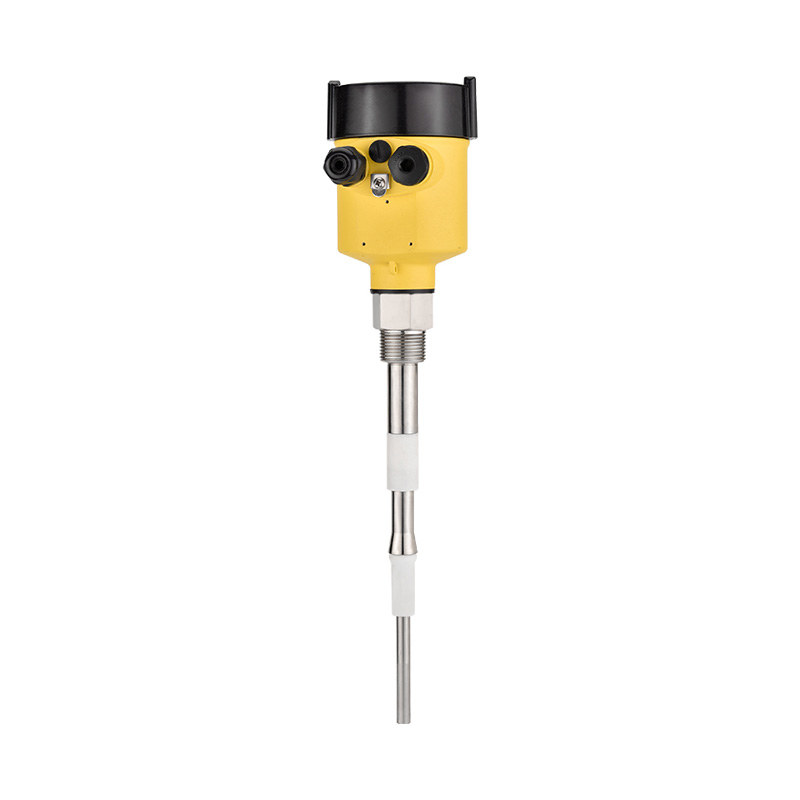
Capacitive sensors detect changes in electrical capacitance as the liquid rises or falls around the probe. They support continuous measurement, handle a wide range of liquid types, and are available with chemically resistant coatings for corrosive media.
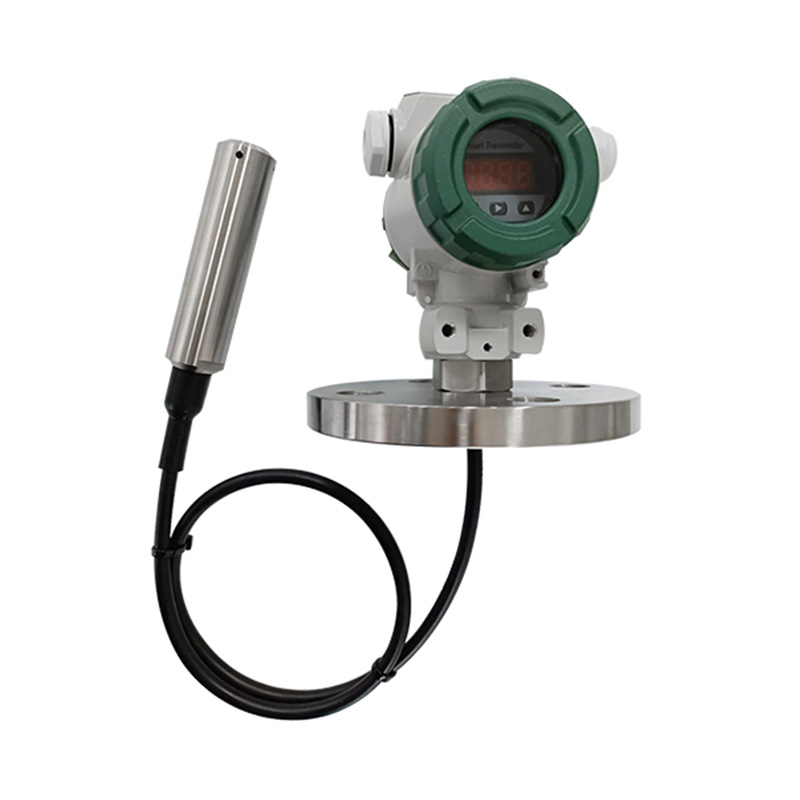
Hydrostatic (submersible) pressure sensors measure the static pressure at the bottom of a liquid column and convert that reading directly to a level value. They are the go-to choice for deep tanks, wells, and open reservoirs where top-mounting is impractical.
Contact vs. Non-Contact Measurement: Which Approach Fits Your Process?
Every liquid level sensor belongs to one of two categories based on how it interacts with the liquid: contact or non-contact. This distinction shapes sensor selection more than almost any other factor.
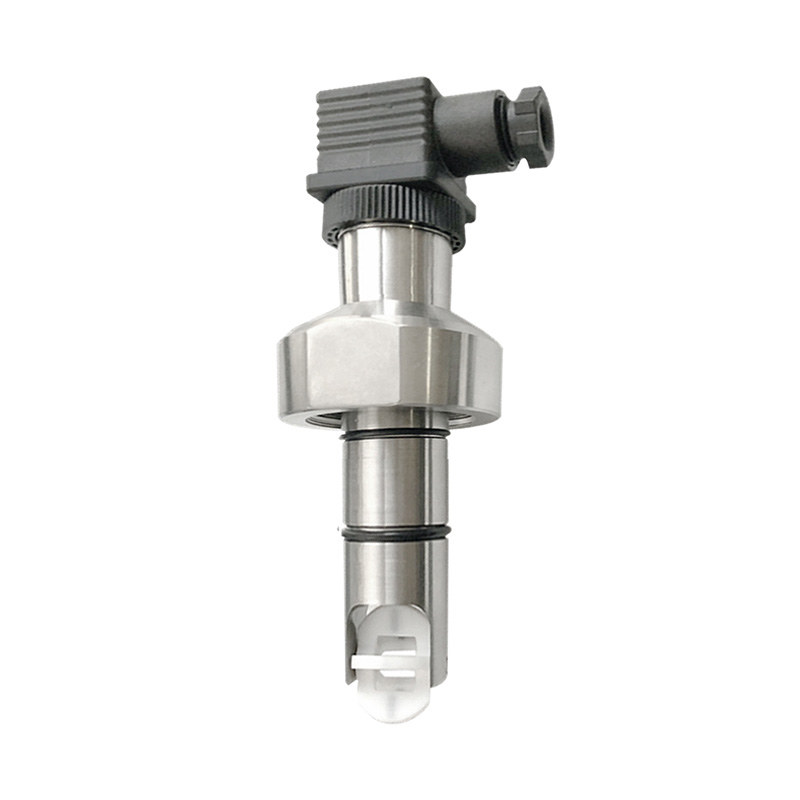
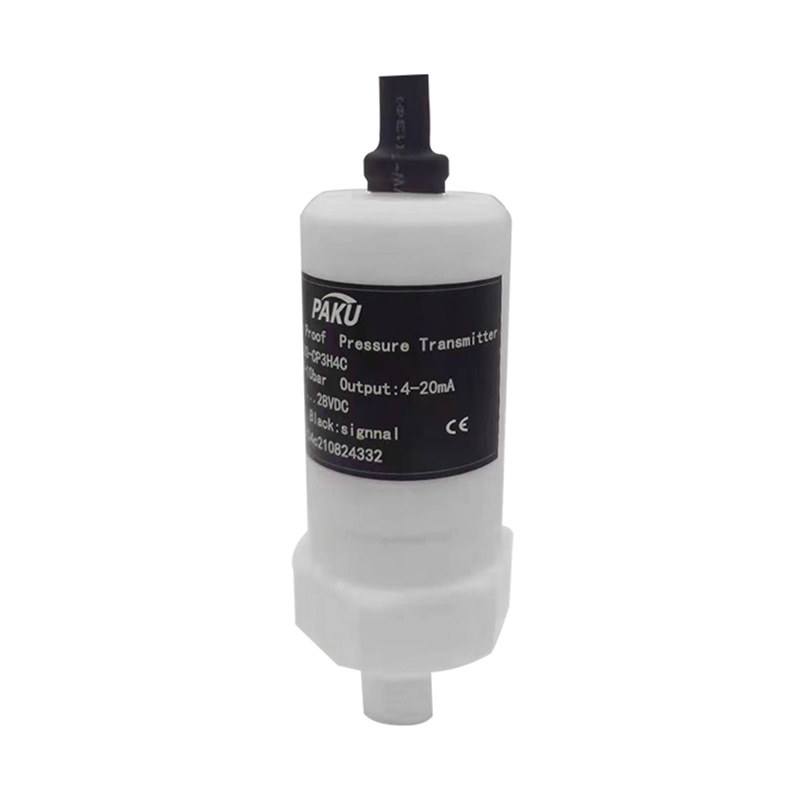
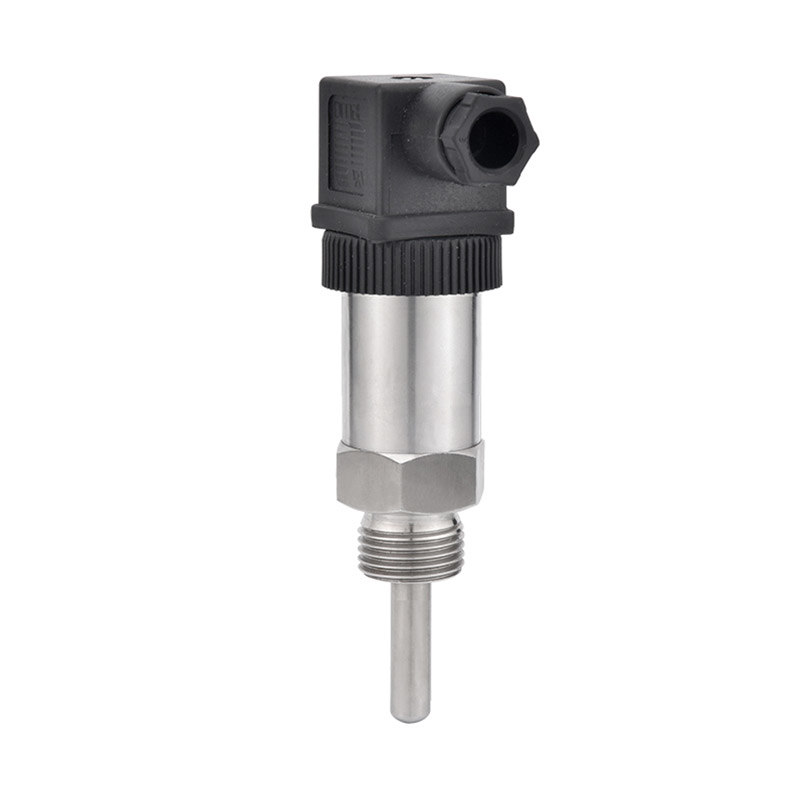
Contact sensors physically touch the liquid. Float switches, electronic magnetic induction sensors, capacitive probes, and submersible pressure transmitters all fall into this group. They tend to be cost-effective, highly accurate, and straightforward to install. The trade-off is that the sensing element must be chemically compatible with the liquid, resistant to buildup or fouling, and accessible for maintenance. For clean water, oils, coolants, and most aqueous process liquids, contact sensing is the practical default. A submersible static pressure level transmitter is a reliable example of contact continuous measurement — it simply converts the weight of the liquid column above it into a 4–20 mA signal proportional to level.
Non-contact sensors measure from outside the liquid. Ultrasonic and radar sensors transmit energy toward the liquid surface and calculate distance from the reflected signal. Nothing touches the medium. For corrosive acids, adhesives, high-viscosity slurries, food-grade tanks that require CIP cleaning, and any application where probe fouling would cause frequent maintenance, non-contact technology pays for its higher upfront cost in reduced downtime. The float-type and electronic liquid level switches in Paku Sensors' product range cover the contact side of this spectrum, while ultrasonic models handle non-contact point detection and continuous monitoring.
One important nuance: guided wave radar, though technically a radar technology, requires a probe that contacts the liquid surface. It combines non-contact electronic circuitry with contact measurement — a useful middle ground for liquids with heavy vapor blankets that defeat free-air ultrasonic sensors.
Liquid Level Sensor Technology Comparison
The table below summarizes the key performance characteristics of each sensor type to support faster selection decisions.
| Sensor Type | Detection Method | Output Mode | Typical Accuracy | Best For | Limitations |
|---|---|---|---|---|---|
| Float / Magnetic Induction | Contact | Point (switch) | High (defined setpoint) | Clean water, oils, coolants, general industrial | Moving parts; not suited to viscous or adhesive liquids |
| Electronic / Optical | Contact | Point (switch) | Very high (no mechanical drift) | Hydraulic systems, machine tools, compact installations | Fixed detection point; lens fouling in oily media |
| Ultrasonic | Non-contact | Point or continuous | ±0.25–1% of range | Open tanks, wastewater, clean liquids | Affected by foam, heavy vapors, turbulent surfaces |
| Capacitive | Contact | Continuous or point | ±0.5–1% of range | Chemicals, fuels, food/beverage, lubricants | Coating buildup can shift calibration; recalibration needed with media changes |
| Hydrostatic (Submersible) | Contact | Continuous (4–20 mA) | ±0.1–0.5% of range | Deep tanks, wells, reservoirs, wastewater | Top-mounting impossible; cable management required in deep installations |
Where Liquid Level Sensors Are Deployed: Key Industry Applications
Understanding where each sensor type excels in practice makes abstract specifications concrete.
Water and wastewater treatment. Submersible pressure transmitters monitor level in lift station wet wells and clarifier basins, where top-mounted access is limited. Ultrasonic sensors are mounted above open channels for non-contact flow and level measurement. Float switches trigger pump start/stop in holding tanks. Reliable level data is essential for regulatory compliance — process industry instrumented systems in this sector are increasingly designed in line with functional safety frameworks such as IEC 61511 safety instrumented system standards published by the International Society of Automation.
Chemical processing. Corrosive media — acids, alkalis, solvents — demand either non-contact ultrasonic measurement or contact sensors with PTFE-coated probes and chemically resistant housings. Capacitive sensors with insulated probes handle conductive aggressive liquids where tank geometry rules out top-mounted sensing. Overfill prevention and low-level alarms are safety-critical functions, not optional features.
Food and beverage production. Hygienic design is the primary constraint. Sensors must tolerate CIP (clean-in-place) wash cycles without damage and be constructed from food-grade materials. Non-contact ultrasonic sensors are common in ingredient silos and open mixing tanks. Optical point-level switches with smooth, crevice-free wetted surfaces serve dairy and beverage filling lines.
Machine tools and industrial equipment. Coolant and hydraulic fluid reservoirs need compact, low-maintenance level switches that fit within tight machine enclosures. Electronic magnetic induction sensors, with no moving parts and a small footprint, are the standard solution. They deliver reliable low-level alarms that protect spindles and hydraulic components from running dry.
Petroleum and energy. Fuel storage tanks require sensors compatible with hydrocarbon media and, in hazardous area installations, certified for explosive atmospheres. Capacitive probes with intrinsically safe circuitry are widely used. Storage and dispatch operations depend on continuous level measurement for accurate inventory management and automatic replenishment triggering.
How to Select the Right Liquid Level Sensor for Your Application
Sensor selection follows a logical sequence. Working through these four questions in order eliminates most mismatches before a specification is written.
1. What is the nature of the liquid? Viscosity, corrosivity, conductivity, and the presence of suspended solids all constrain sensor choice. Viscous or coating liquids rule out float switches and optical sensors. Corrosive media require non-contact measurement or chemically resistant probe materials. Foamy liquids — common in fermentation and detergent production — defeat ultrasonic sensors without foam-rejection algorithms.
2. Do you need point detection or continuous measurement? If the application only requires a high-level alarm, a low-level pump cutoff, or an overfill shutoff, a level switch is the right category. If the process requires live level data for inventory management, flow calculations, or proportional control, a transmitter with continuous analog output is required.
3. What are the process conditions? Operating temperature, pressure, tank dimensions, and available mounting points all affect sensor selection. A submersible transmitter rated to 80 °C handles hot process tanks; a standard float switch does not. A sensor rated IP67 survives wash-down environments; an IP54 unit may not.
4. What signal output does the control system require? PLC and SCADA systems typically accept 4–20 mA analog signals or digital protocols such as IO-Link and Modbus. Simple relay-based control only needs a switch contact. Confirming output compatibility before purchasing avoids integration problems after installation.
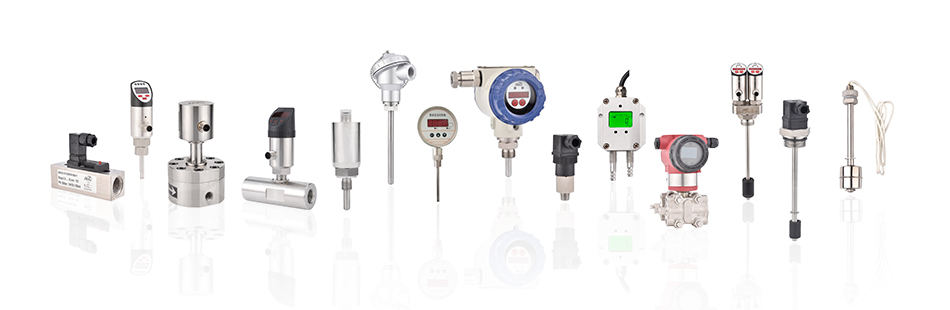
Paku Sensors manufactures a complete range of liquid level equipment — from electronic and optical liquid level sensors with digital display to submersible transmitters and ultrasonic non-contact units — supporting OEM and ODM cooperation for industrial automation, chemical processing, water treatment, and petroleum equipment applications. Contact the team with your media specifications and tank geometry to identify the right model for your system.
information
 [email protected]
 +86-13386111894 / +86-021-37566990
[email protected]
 B-4th Floor, Lane 1313, Nanting Road, Nanqiao Town, Fengxian District, Shanghai, China

Product Links