

 +86-13386111894
 Products & Solutions
  en
en English
 Русский
 España
 عرب .
عرب .
If you need any help, please feel free to contact us
inquire
How fast is the response time of a temperature transmitter?
Introduction to Temperature Transmitter Response Time
Temperature transmitters are critical devices in industrial and laboratory applications, providing precise conversion of temperature readings into standardized output signals. One of the key performance metrics of a temperature transmitter is its response time, which determines how quickly the device reacts to changes in temperature and communicates accurate readings to the control system.
Response time is especially important in dynamic environments where temperature fluctuates rapidly, such as chemical reactors, HVAC systems, or food processing lines. A fast response ensures real-time monitoring, improves process control, and prevents potential safety hazards.
Factors Influencing Response Time
The response time of a temperature transmitter is influenced by multiple factors, including sensor type, sensor mass, thermal conductivity, housing design, and electronic circuitry. Selecting the right combination of these factors is crucial for achieving optimal speed without sacrificing accuracy or reliability.
For example, sensors with low thermal mass respond faster because they can reach thermal equilibrium with the surrounding environment quickly. Similarly, sensors enclosed in highly conductive materials transmit heat efficiently, accelerating the response process.
Sensor Type and Design
- Thermocouples: Offer rapid response due to direct junction measurement, suitable for high-speed applications.
- Resistance Temperature Detectors (RTDs): Provide higher accuracy but slightly slower response because of larger sensor mass.
- Thermistors: Very fast response times for small temperature ranges, ideal for precise and rapid measurements.
Impact of Housing and Immersion Depth
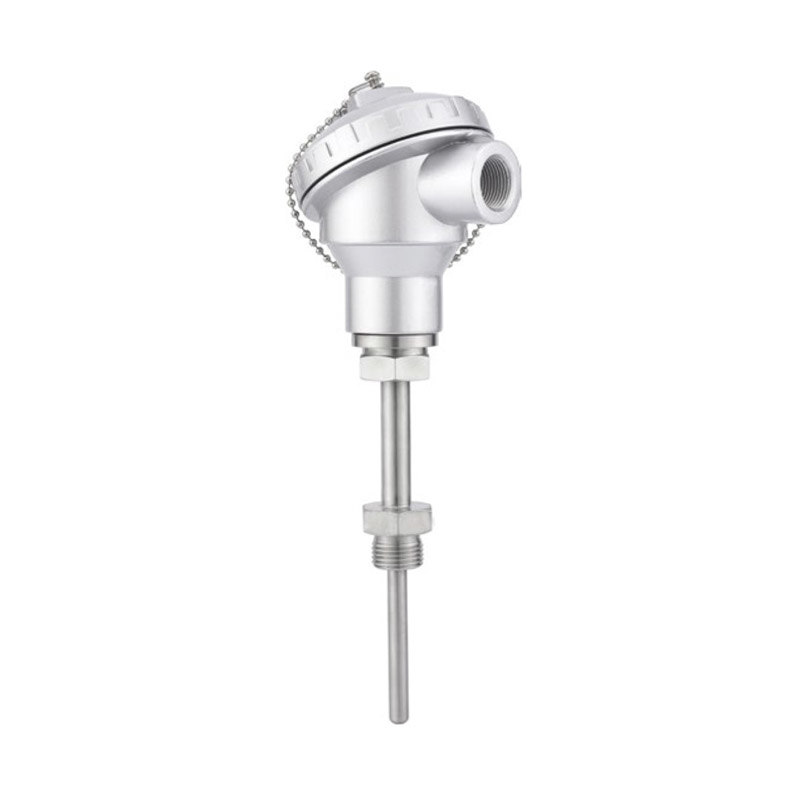
The physical design of a temperature transmitter affects heat transfer between the medium and the sensor element. A thin, compact housing allows quicker heat conduction, improving response time. In contrast, thick-walled or bulky housings can insulate the sensor, slowing the reaction.
Immersion depth also matters. Partial immersion can expose only part of the sensor to the medium, resulting in slower response and less accurate readings. Full immersion ensures direct contact with the medium, facilitating faster equilibrium and better measurement accuracy.
Electronic and Signal Processing Considerations
Modern temperature transmitters often include signal conditioning circuits that amplify and linearize the sensor output. The design of these circuits affects response time. High-speed electronics can reduce latency, while complex filtering or averaging functions may slightly delay the transmitted signal to stabilize readings and prevent noise interference.
Digital transmitters may have minimal delays compared to analog models due to fast microprocessor processing. However, signal transmission over long distances or through industrial networks can introduce additional milliseconds of delay.
Response Time Performance by Sensor Type
| Sensor Type | Typical Response Time | Notes |
| Thermocouple | 0.5–2 seconds | Fast response, suitable for rapid temperature changes |
| RTD | 2–10 seconds | High accuracy, slightly slower due to sensor mass |
| Thermistor | <1 second | Very fast, ideal for precise control |
Environmental and Medium Effects
The properties of the medium being measured—such as viscosity, flow rate, and turbulence—also influence response time. Highly conductive fluids transfer heat quickly, allowing sensors to reach equilibrium faster. Conversely, gases or low-conductivity liquids may require longer periods for accurate measurement.
External environmental conditions, including ambient temperature and airflow, can impact response performance. Proper shielding, insulation, or placement adjustments help minimize measurement errors and maintain rapid response.
Improving Temperature Transmitter Response Time
To enhance response time, users can select low-mass sensors, minimize housing insulation, and ensure full immersion in the medium. Choosing high-quality electronics and avoiding excessive filtering can also reduce delays. Regular calibration ensures the transmitter maintains optimal speed without sacrificing accuracy.
In applications requiring extreme responsiveness, thermistors or fast-response thermocouples are preferred. Integrating advanced transmitters with automated control systems allows real-time monitoring and immediate feedback for process adjustments.
Applications Requiring Fast Response
Fast response time is critical in industries such as chemical processing, pharmaceuticals, food production, and HVAC systems. Rapid temperature feedback enables precise control, enhances safety, and ensures consistent product quality. In automation and laboratory setups, quick response reduces reaction times and supports accurate data logging.
Selecting the appropriate temperature transmitter for each application involves balancing response speed with accuracy, durability, and environmental compatibility. Understanding the underlying factors affecting response time allows engineers and technicians to optimize measurement systems effectively.
information
 [email protected]
 +86-13386111894 / +86-021-37566990
[email protected]
 B-4th Floor, Lane 1313, Nanting Road, Nanqiao Town, Fengxian District, Shanghai, China

Product Links