

 +86-13386111894
 Products & Solutions
  en
en English
 Русский
 España
 عرب .
عرب .
If you need any help, please feel free to contact us
inquire
Are electronic flow switches complicated to install?
Introduction to Electronic Flow Switches
Electronic flow switches are devices designed to monitor and control the flow of liquids or gases in pipelines. They are commonly used in industrial, commercial, and residential systems for process control, safety monitoring, and automation. Despite their critical role, many operators are concerned about whether electronic flow switches are complicated to install.
Installation complexity depends on factors such as switch type, pipeline configuration, medium properties, and electrical requirements. Understanding these factors helps streamline the process and ensures optimal device performance.
Types of Electronic Flow Switches
Electronic flow switches come in various designs, including paddle-type, turbine-type, and ultrasonic flow switches. Each type has distinct installation requirements that influence complexity.
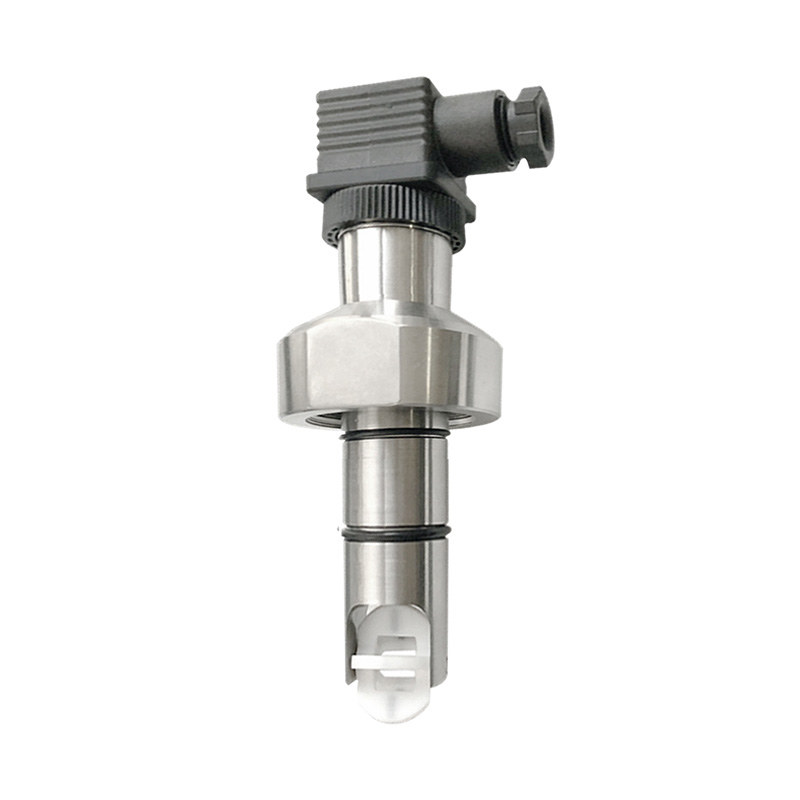
- Paddle-type: Requires mounting perpendicular to the flow, with sufficient clearance for paddle movement.
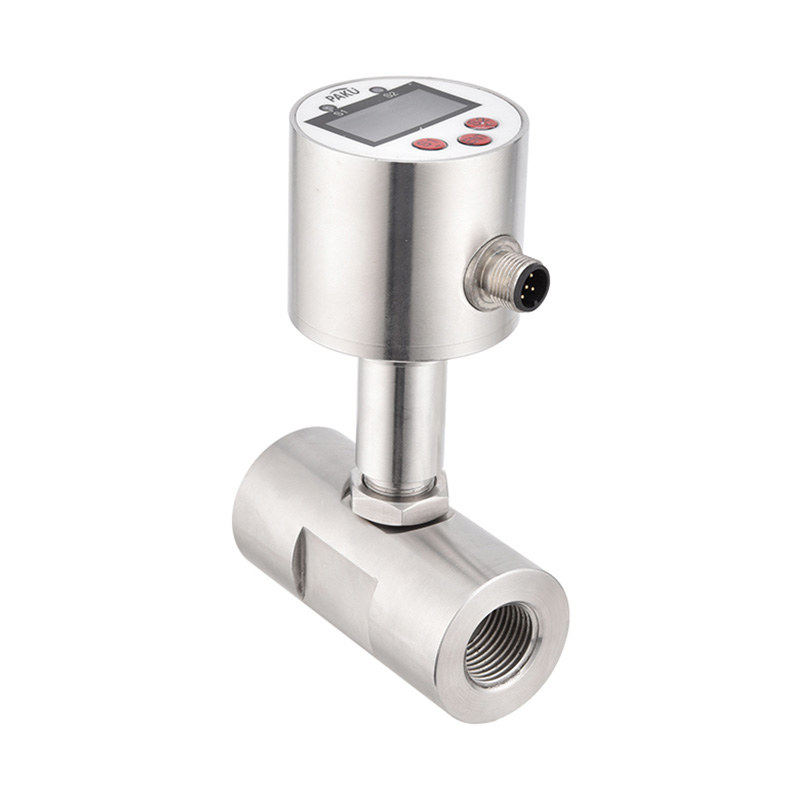
- Turbine-type: Needs straight pipe sections upstream and downstream to ensure accurate measurement.
- Ultrasonic-type: Typically clamps onto the pipe surface, minimizing mechanical modifications but requiring precise positioning.
Preparation Before Installation
Proper preparation is essential to reduce installation difficulties. Start by reviewing the manufacturer’s guidelines, identifying the correct switch type, and confirming compatibility with the pipeline material and medium. Additionally, gather all required tools, mounting hardware, and electrical components before beginning the installation process.
Inspection of the pipeline is also recommended. Ensure the pipe is clean, free of obstructions, and appropriately sized to accommodate the flow switch. Consider factors like temperature, pressure, and flow direction for accurate placement.
Mechanical Installation Steps
The mechanical installation of an electronic flow switch involves physically mounting the device on the pipeline. The process generally includes the following:
- Mark the correct location on the pipe, considering flow direction and clearance requirements.
- Drill or use existing ports to mount the switch body securely.
- Attach gaskets or seals to prevent leaks.
- Tighten mounting bolts without over-stressing the device or pipe.
Electrical Connections
Electronic flow switches require proper wiring to communicate flow data to controllers or alarm systems. Electrical installation includes:
- Connecting power supply according to the voltage and polarity specifications.
- Wiring the output signals (analog, digital, or relay) to control panels or monitoring systems.
- Ensuring proper grounding to prevent electrical noise and ensure safety.
Using labeled wires and following standard color codes simplifies future troubleshooting and maintenance.
Calibration and Testing
After installation, calibration is essential to ensure accurate flow detection. Calibration involves verifying the switch response at various flow rates and adjusting sensitivity or setpoints as required. Many modern electronic flow switches have factory-set calibrations, which can be fine-tuned in the field.
Testing should include checking for mechanical movement (for paddle or turbine types), signal output integrity, and ensuring no leaks or electrical faults exist. Functional tests prevent false alarms and help achieve reliable long-term operation.
Common Installation Challenges
Despite being designed for industrial convenience, electronic flow switch installation can face challenges. These include:
- Limited space around pipes making mounting difficult.
- Incorrect alignment leading to inaccurate flow detection.
- Electrical interference affecting signal quality.
- Improper sealing causing leaks in liquid applications.
Installation Tips for Simplifying the Process
Several practices can make the installation of electronic flow switches easier and more reliable:
- Follow manufacturer instructions closely, especially regarding flow direction and clearance.
- Use pre-assembled wiring harnesses if available to reduce electrical complexity.
- Label all wires and document installation for future maintenance.
- Consider using flow switch mounting kits to simplify alignment and sealing.
- Test the switch in stages before full system integration.
Comparison of Installation Complexity
Electronic flow switches are generally easier to install than older mechanical flow switches due to fewer moving parts and modular design. The table below summarizes key installation aspects:
| Aspect | Electronic Flow Switch | Mechanical Flow Switch |
| Wiring | Required, simplified with modular connectors | Minimal |
| Alignment Sensitivity | Moderate | High |
| Calibration | Optional fine-tuning | Manual adjustments required |
| Maintenance | Simplified, fewer moving parts | More frequent adjustments |
Conclusion
Electronic flow switches are not inherently complicated to install if proper preparation, mechanical mounting, electrical connections, and calibration procedures are followed. While some challenges exist, adherence to manufacturer guidelines, careful alignment, and staged testing ensure successful and reliable installation.
Compared with traditional mechanical switches, electronic versions provide greater flexibility, modular wiring, and reduced mechanical adjustments, making them suitable for modern industrial applications that demand accuracy, safety, and ease of maintenance.
information
 [email protected]
 +86-13386111894 / +86-021-37566990
[email protected]
 B-4th Floor, Lane 1313, Nanting Road, Nanqiao Town, Fengxian District, Shanghai, China

Product Links