

 +86-13386111894
 Products & Solutions
  en
en English
 Русский
 España
 عرب .
عرب .
If you need any help, please feel free to contact us
inquire
Capacitance Fuel Level Sensor & Types of Water Level Sensors Guide
What Is a Capacitance Fuel Level Sensor?
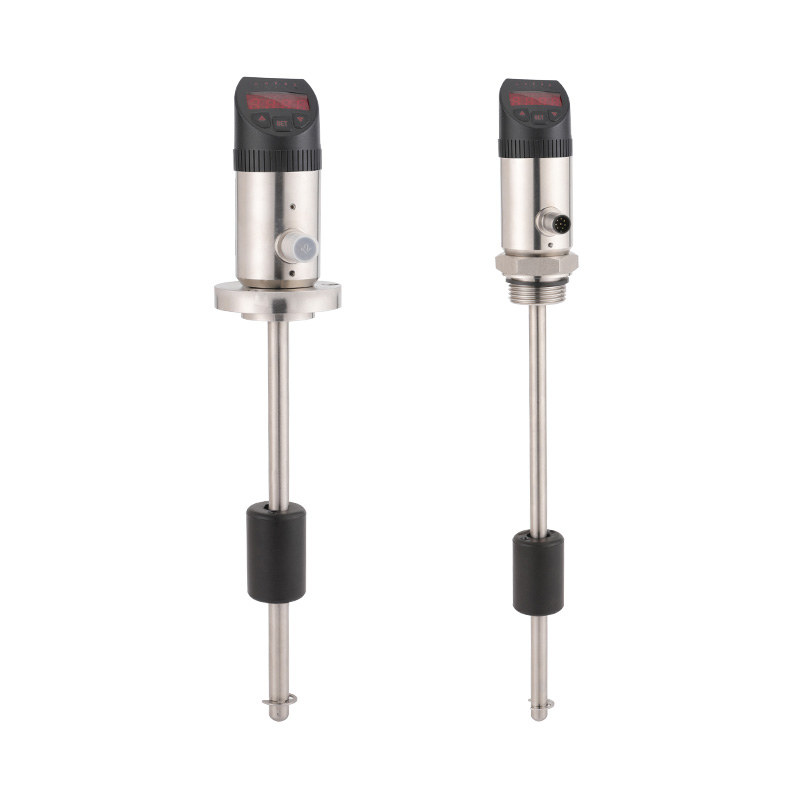
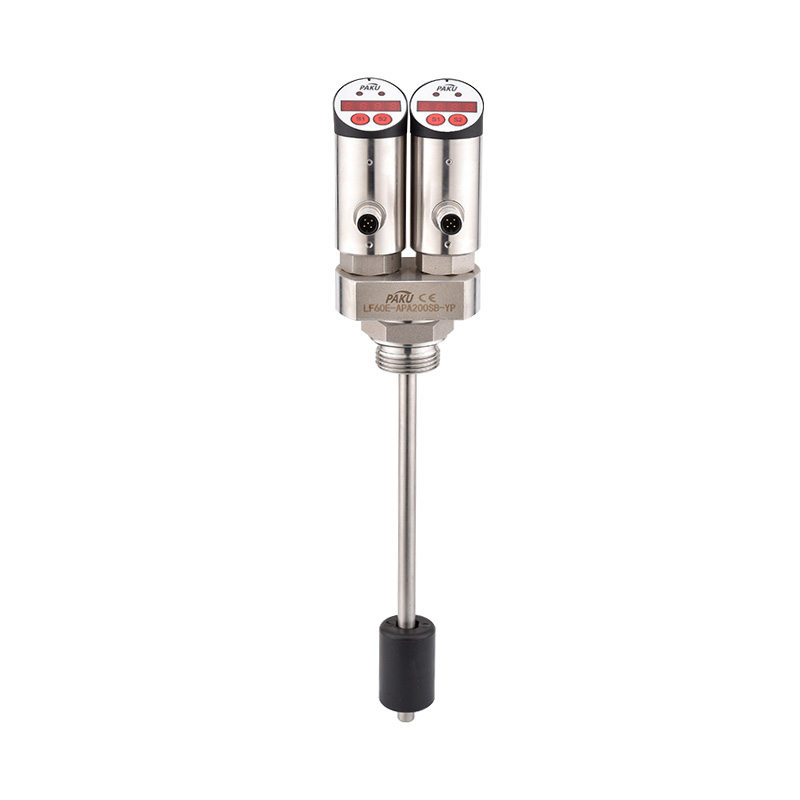
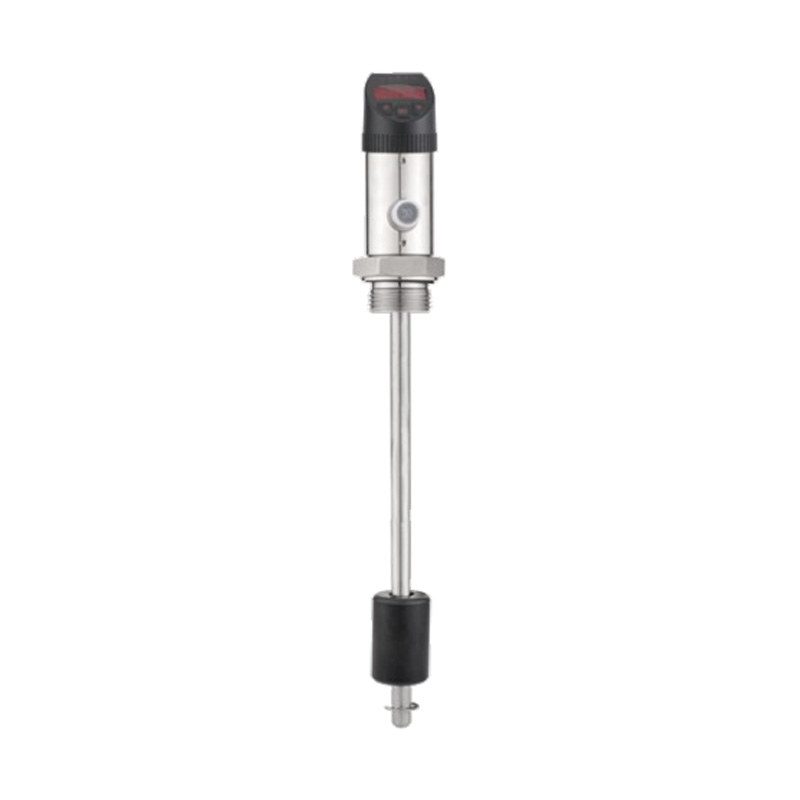
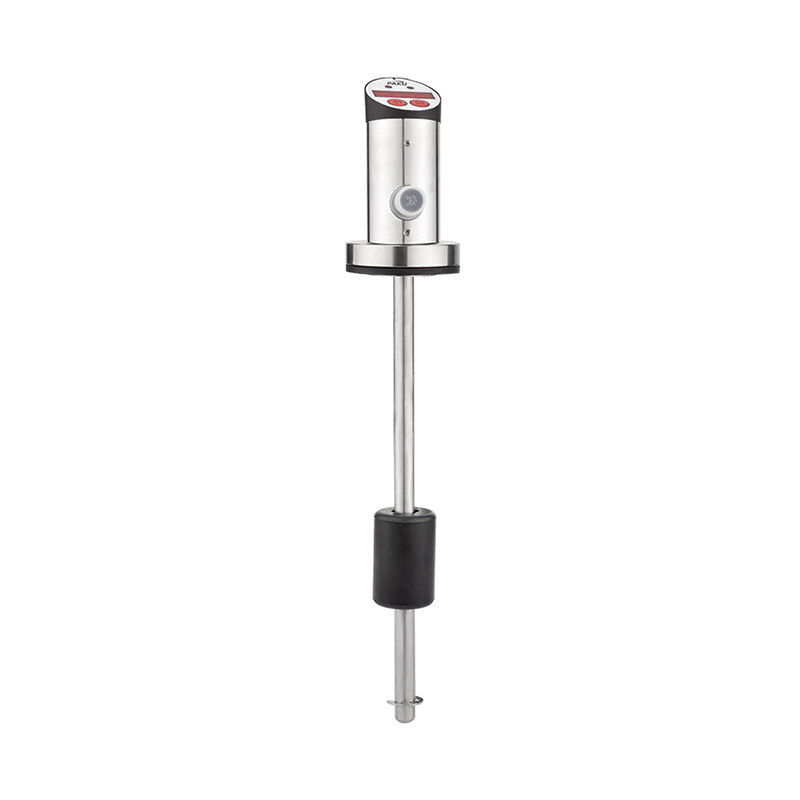
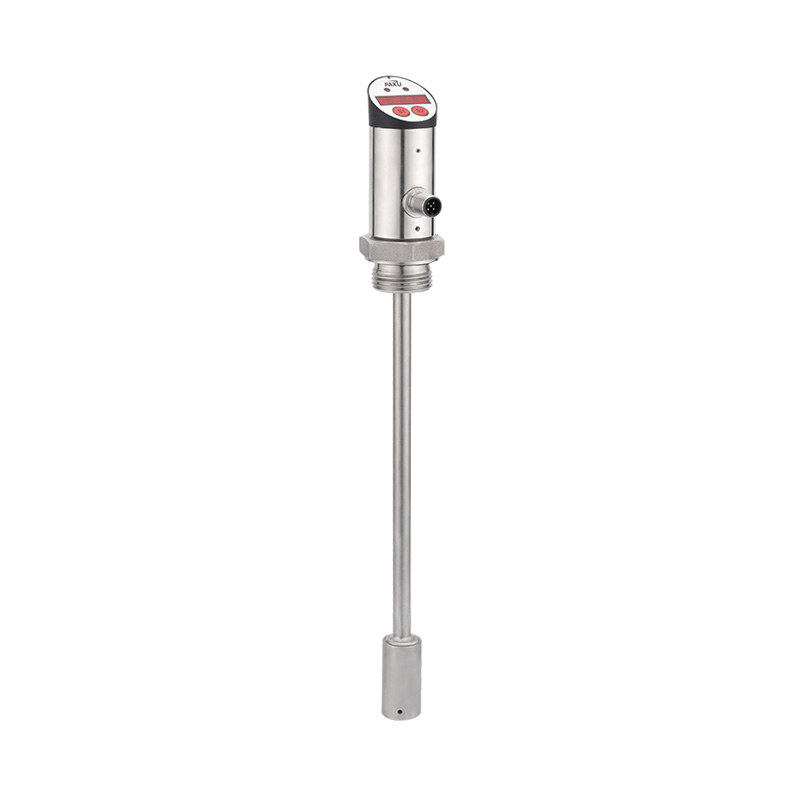
A capacitance fuel level sensor measures the amount of fuel in a tank by detecting changes in electrical capacitance. The sensor consists of two conductive electrodes immersed in the fuel tank. As the fuel level rises or falls, the dielectric medium between the electrodes changes—fuel has a different dielectric constant than air—causing a measurable shift in capacitance that is converted into a precise level reading.
Unlike float-based sensors that rely on mechanical movement, capacitance fuel level sensors have no moving parts, making them significantly more durable and accurate over long service lives. They are widely used in aviation, marine, automotive, and industrial fuel storage applications where reliability and measurement precision are critical.
How Capacitance Fuel Level Sensors Work
The operating principle follows the standard capacitor equation: C = εA/d, where C is capacitance, ε is the dielectric constant of the medium, A is the electrode surface area, and d is the distance between electrodes. In a fuel tank, A and d remain fixed while ε varies as the ratio of fuel to air changes with the liquid level. The sensor's electronics continuously measure this capacitance shift and output a proportional signal—typically 4–20 mA, 0–5 V, or a frequency-based output—to a display or control system.
Modern capacitance fuel level sensors compensate automatically for variations in fuel dielectric properties caused by temperature changes, fuel blending (such as ethanol-gasoline mixes), or contamination, ensuring measurement accuracy of ±1% or better across a wide range of operating conditions.
Key Advantages of Capacitance Fuel Level Sensors
- No moving parts: Eliminates mechanical wear, reducing maintenance intervals and the risk of in-tank failure
- High accuracy: Continuous analog output provides far greater resolution than point-level float switches
- Wide temperature range: Suitable for extreme environments from sub-zero aviation altitudes to high-temperature industrial storage
- Compatible with multiple fuels: Works with diesel, gasoline, aviation fuel (Jet-A, AvGas), hydraulic fluid, and other non-conductive liquids
- Intrinsically safe options available: ATEX and IECEx certified variants exist for use in explosive fuel vapor environments
Limitations to Consider
Capacitance sensors are sensitive to changes in the dielectric constant of the measured fluid. In fuel applications, water contamination or fuel mixing can introduce measurement errors if the sensor is not calibrated to account for the new dielectric value. Additionally, conductive liquids such as water require a different electrode configuration (coaxial or insulated probes) compared to non-conductive fuels. Selecting the correct probe material—stainless steel, Hastelloy, PVDF, or PTFE-coated—is essential for chemical compatibility and long-term accuracy.
Types of Water Level Sensors: A Complete Overview
Water level sensing spans an enormous range of applications—from municipal water towers and irrigation reservoirs to industrial process tanks and flood early-warning systems. Each application demands a different sensing technology based on accuracy requirements, installation constraints, fluid properties, and budget. Understanding the main types of water level sensors ensures the right technology is matched to the right job.
Float Switch Sensors
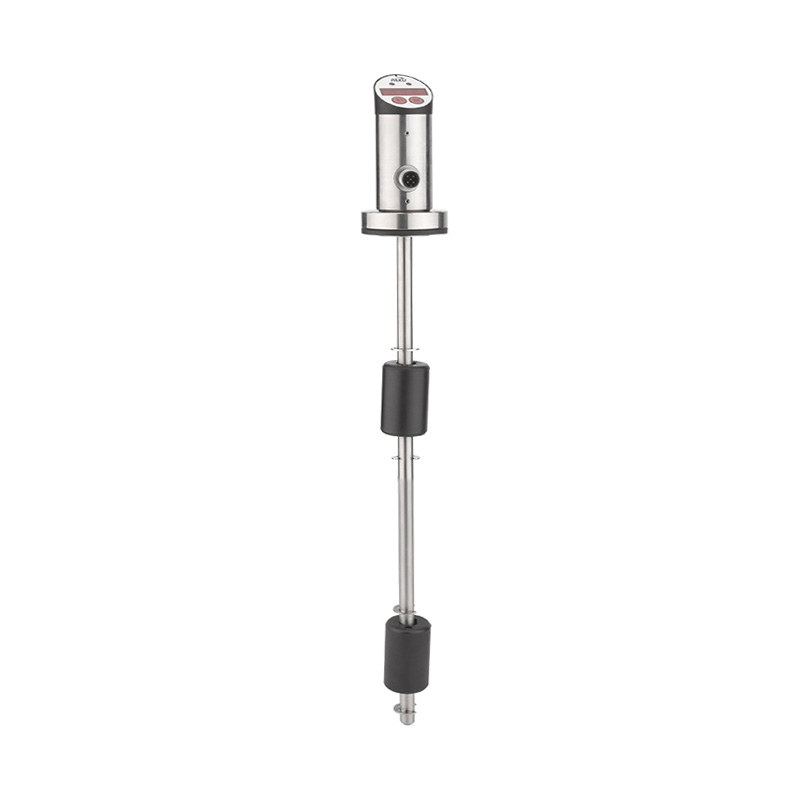
The float switch is the simplest and most widely deployed water level sensor type. A buoyant float rises and falls with the liquid surface, actuating a mechanical or magnetic switch at preset high or low level points. Float switches are low-cost, robust, and easy to install, making them ubiquitous in sump pumps, water tanks, and HVAC condensate trays. Their primary limitation is that they provide only point-level detection—on or off—rather than continuous level measurement.
Pressure Transducer (Hydrostatic) Sensors
Hydrostatic level sensors measure the pressure exerted by the water column above the sensor. Since water pressure increases linearly with depth (1 meter of water = approximately 0.098 bar), a calibrated pressure transducer installed at the tank bottom delivers a continuous, accurate level reading. Submersible hydrostatic sensors are among the most popular choices for wells, boreholes, rivers, and large open tanks due to their simplicity, reliability, and suitability for continuous remote monitoring.
Ultrasonic Level Sensors
Ultrasonic sensors emit high-frequency sound pulses toward the water surface and measure the time-of-flight of the echo to calculate distance. As non-contact devices, they never touch the liquid, eliminating corrosion, fouling, and contamination concerns. Ultrasonic sensors are well suited to open water tanks, wastewater sumps, and river level monitoring. Performance can degrade in applications with foam, heavy vapor, or turbulent surfaces, which scatter or absorb the ultrasonic pulse.
Radar (Microwave) Level Sensors
Radar level sensors operate on the same time-of-flight principle as ultrasonic sensors but use microwave signals instead of sound. Because microwaves propagate through vapor, dust, and temperature gradients without attenuation, radar sensors deliver superior accuracy in harsh industrial environments. Guided wave radar (GWR) variants run the microwave signal along a probe immersed in the liquid, making them effective even in narrow tanks or agitated surfaces. Radar sensors are increasingly affordable and are displacing ultrasonic sensors in demanding process industries.
Capacitance Water Level Sensors
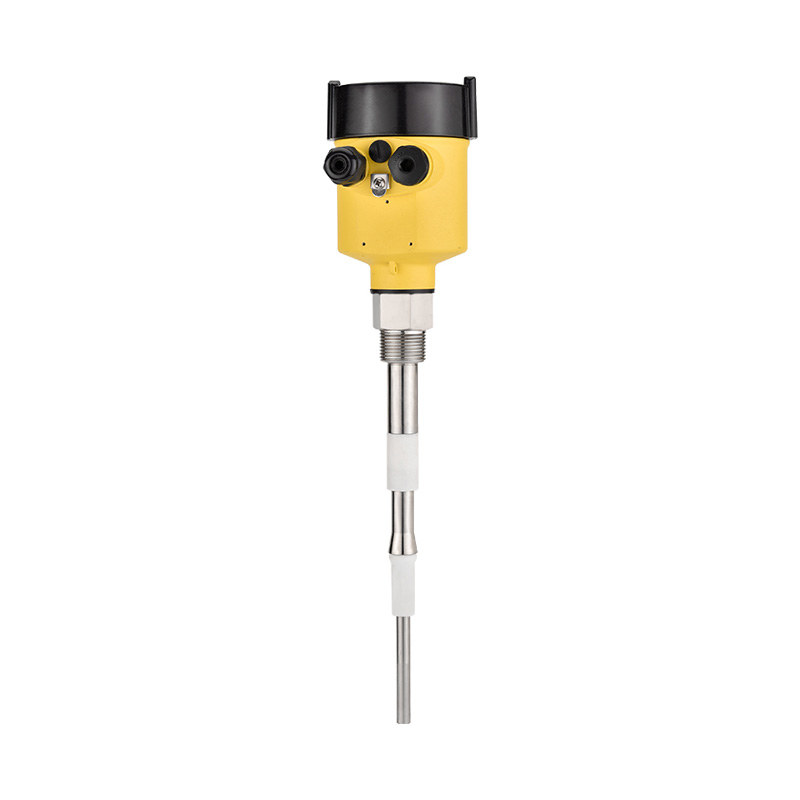
Sharing the same operating principle as capacitance fuel level sensors, capacitance water level sensors use the high dielectric constant of water (approximately 80, versus ~2 for most fuels) to detect level changes with high sensitivity. They are compact, have no moving parts, and perform well in both point-level and continuous-level configurations. Capacitance sensors are particularly effective in small tanks, chemical dosing systems, and food-grade water applications where hygienic design is required.
Conductivity (Electrode) Sensors
Conductivity sensors rely on water's ability to conduct electricity. When the water level reaches a bare electrode, it completes an electrical circuit, triggering a level alarm or pump control signal. These sensors are extremely simple and very low cost, commonly used in cooling towers, boiler water level alarms, and aquarium level controls. They are unsuitable for pure or deionized water, which lacks sufficient conductivity, and for non-conductive liquids entirely.
Magnetostrictive Level Sensors
Magnetostrictive sensors use a float containing a permanent magnet that travels along a magnetostrictive wire. A current pulse sent down the wire interacts with the float magnet's field, generating a return signal whose travel time precisely locates the float position. This technology delivers exceptional accuracy—typically ±0.1 mm—and is used in custody transfer applications, fuel storage tanks, and high-value process systems where measurement uncertainty must be minimized.
| Sensor Type | Measurement | Typical Accuracy | Best Application | Contact with Liquid |
|---|---|---|---|---|
| Float Switch | Point level | On/Off only | Sump pumps, simple tanks | Yes |
| Hydrostatic Pressure | Continuous | ±0.1–0.5% | Wells, rivers, large tanks | Yes |
| Ultrasonic | Continuous | ±0.25–1% | Open tanks, wastewater | No |
| Radar / GWR | Continuous | ±1–5 mm | Harsh industrial process | No (GWR: Yes) |
| Capacitance | Point or continuous | ±1% | Small tanks, food & pharma | Yes |
| Conductivity | Point level | On/Off only | Cooling towers, boilers | Yes |
| Magnetostrictive | Continuous | ±0.1 mm | Custody transfer, fuel storage | Yes (float) |
Capacitance Sensors Across Fuel and Water Applications: Key Differences
While the capacitance sensing principle is identical whether measuring fuel or water, the two applications demand different probe designs due to the dramatically different dielectric constants of the two fluids. Water's dielectric constant (~80) is roughly 40 times higher than that of typical hydrocarbon fuels (~2), meaning capacitance water sensors operate over a much larger signal range and can use simpler, bare-electrode probes.
Fuel applications, by contrast, require higher sensitivity electronics to resolve the smaller capacitance changes associated with low-dielectric liquids. They also demand intrinsically safe or explosion-proof certifications given the flammability of fuel vapors—a requirement not typically imposed on water level sensors outside of specific chemical or wastewater contexts.
| Parameter | Capacitance Fuel Sensor | Capacitance Water Sensor |
|---|---|---|
| Dielectric Constant of Fluid | ~2 (low) | ~80 (high) |
| Probe Insulation Required | Yes (PTFE or similar) | Often bare electrode |
| Hazardous Area Certification | ATEX / IECEx typically required | Usually not required |
| Dielectric Compensation | Essential (fuel blending, temp) | Less critical |
| Typical Industries | Aviation, marine, automotive, oil & gas | Food & beverage, pharma, water treatment |
Choosing the Right Level Sensor for Your Application
Selecting between a capacitance fuel level sensor and the various types of water level sensors ultimately depends on five core factors: the fluid's physical and chemical properties, required measurement accuracy, environmental conditions, installation constraints, and applicable safety certifications.
For fuel storage and transfer—where accuracy, durability, and explosion safety are non-negotiable—capacitance sensors with appropriate dielectric compensation and hazardous area ratings deliver the best long-term value. For water level monitoring, the choice fans out across a broader technology spectrum: float switches for simple on/off control, hydrostatic transducers for continuous monitoring in wells and rivers, ultrasonic or radar sensors for non-contact measurement in open tanks, and magnetostrictive sensors where sub-millimeter accuracy justifies the higher investment.
In many modern installations, level sensors are integrated into IoT-enabled monitoring platforms, transmitting real-time data via 4–20 mA loops, HART, Modbus, or wireless protocols such as LoRaWAN. Whether monitoring aviation fuel reserves or municipal water reservoir levels, the fundamental goal is the same: reliable, accurate, continuous knowledge of liquid level to protect assets, ensure operational continuity, and support data-driven decision-making.
information
 [email protected]
 +86-13386111894 / +86-021-37566990
[email protected]
 B-4th Floor, Lane 1313, Nanting Road, Nanqiao Town, Fengxian District, Shanghai, China

Product Links