

 +86-13386111894
 Products & Solutions
  en
en English
 Русский
 España
 عرب .
عرب .
If you need any help, please feel free to contact us
inquire
Can Liquid Level Series Improve Safety and Efficiency in Fluid Management?
Introduction to Liquid Level Series
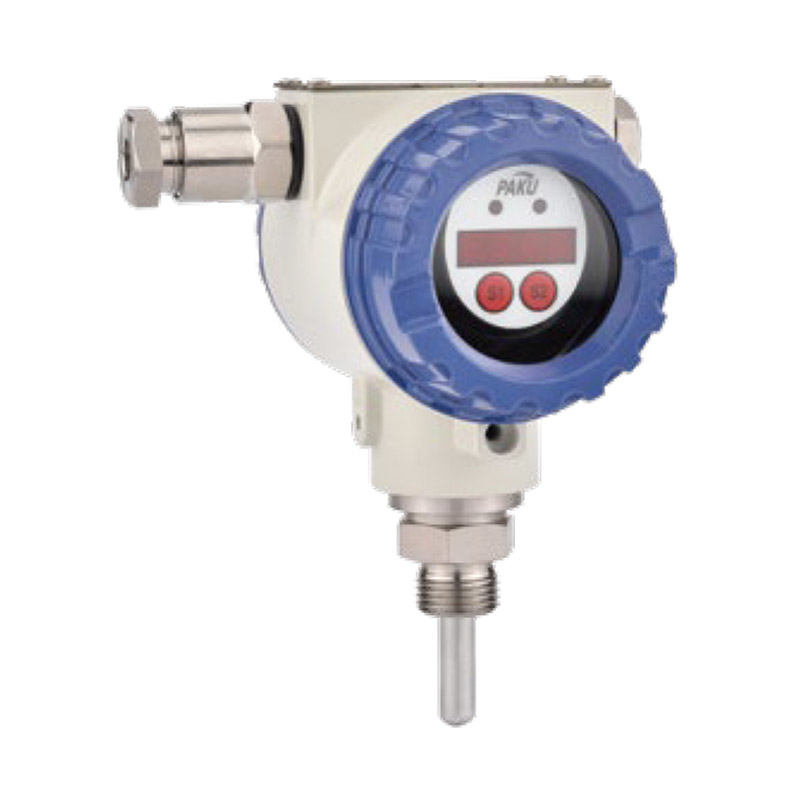
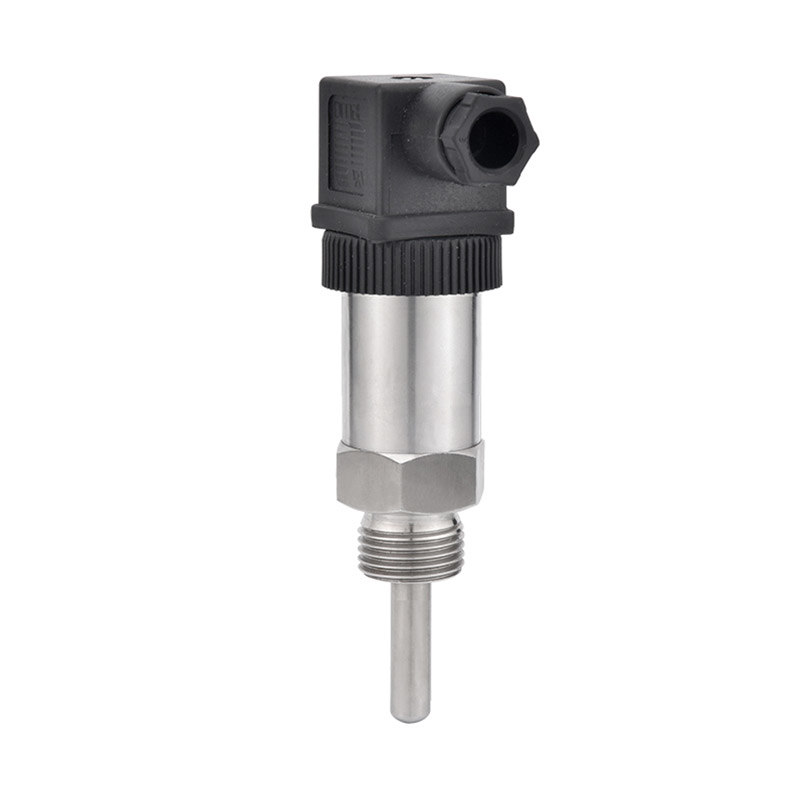
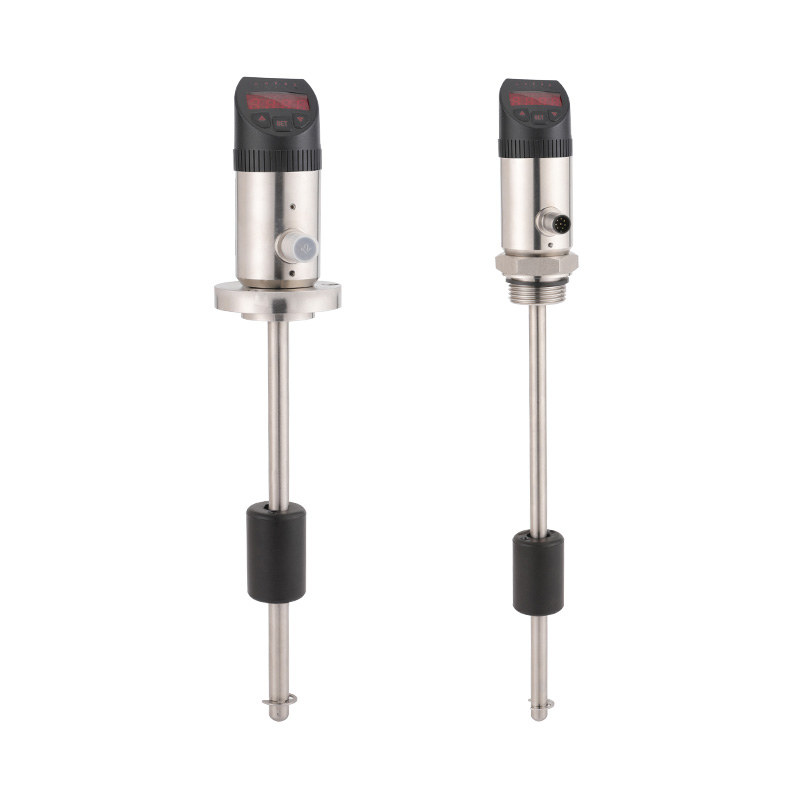
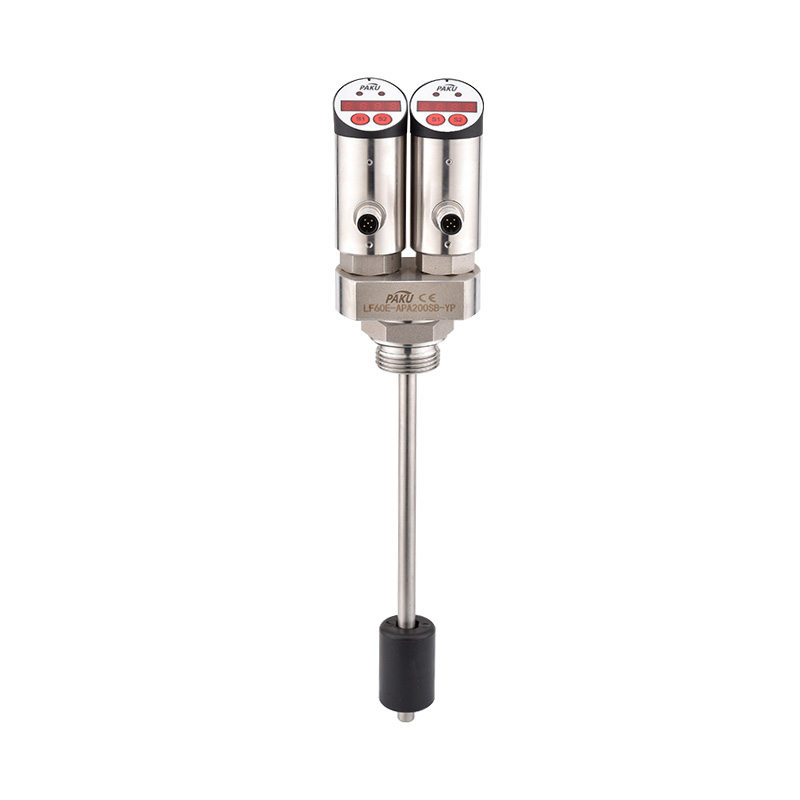
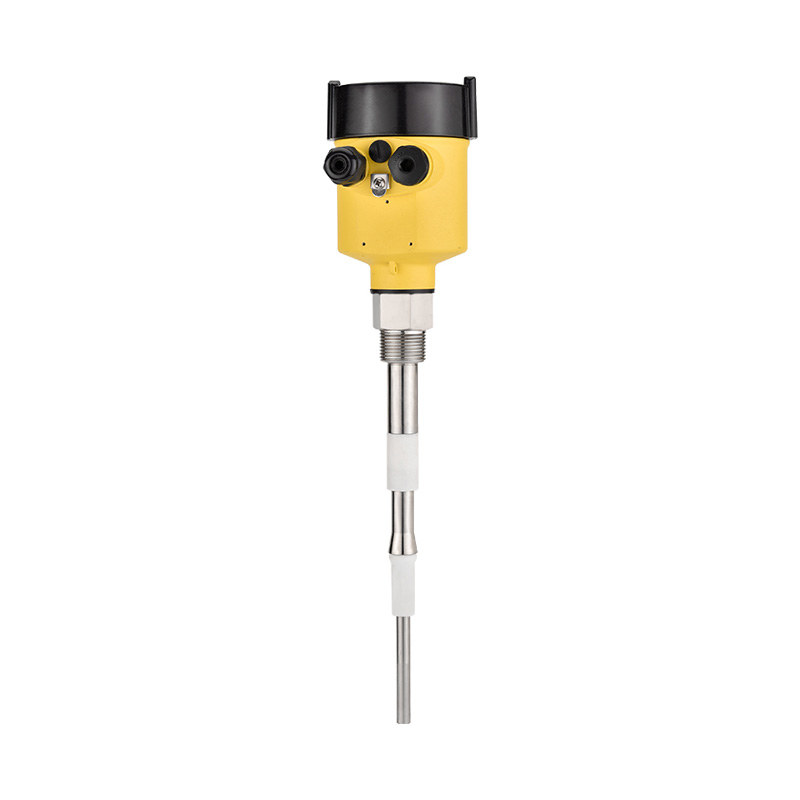
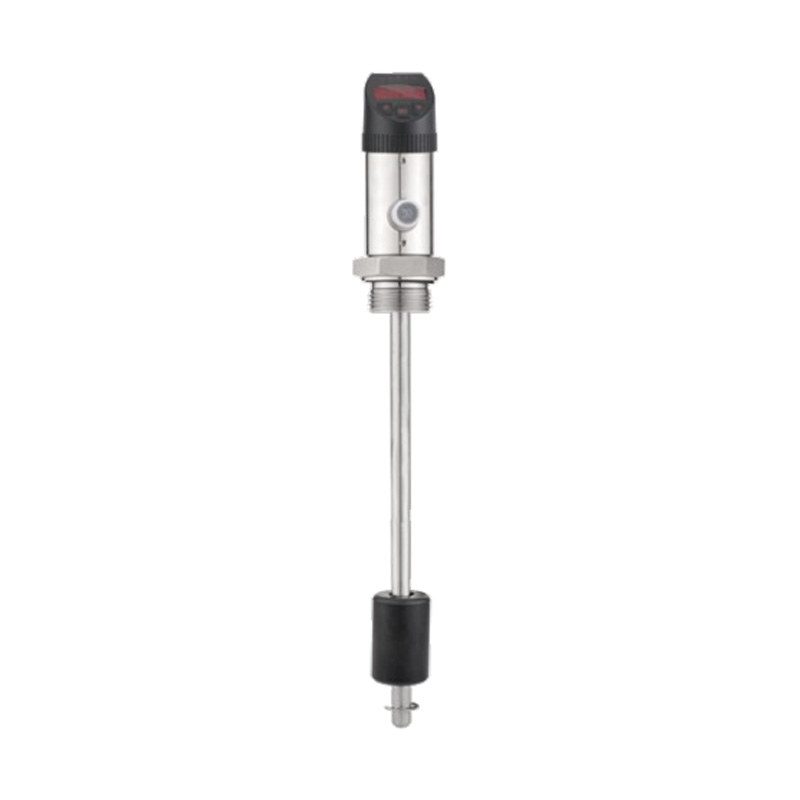
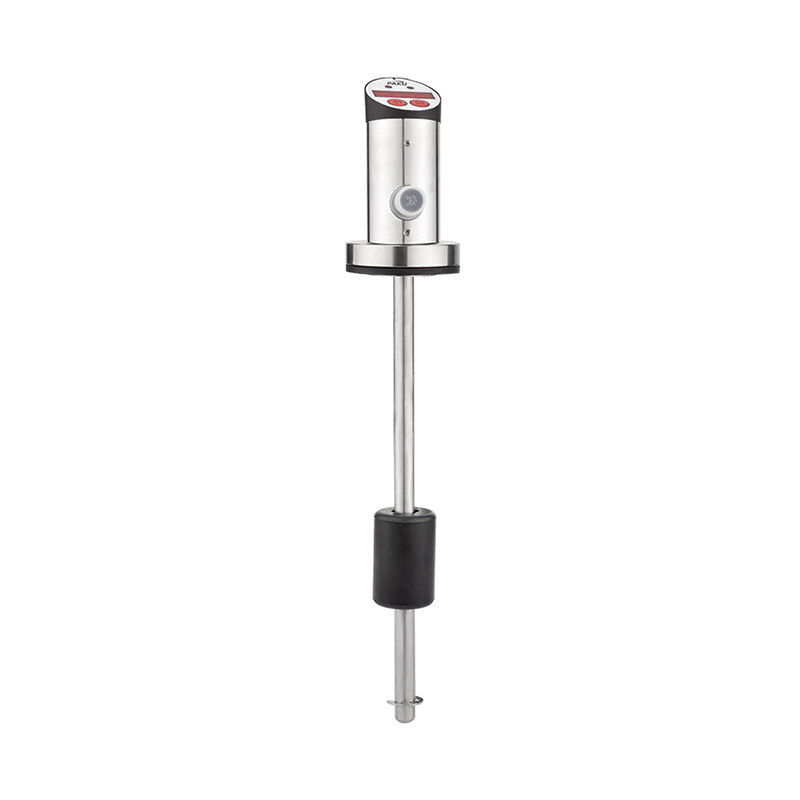
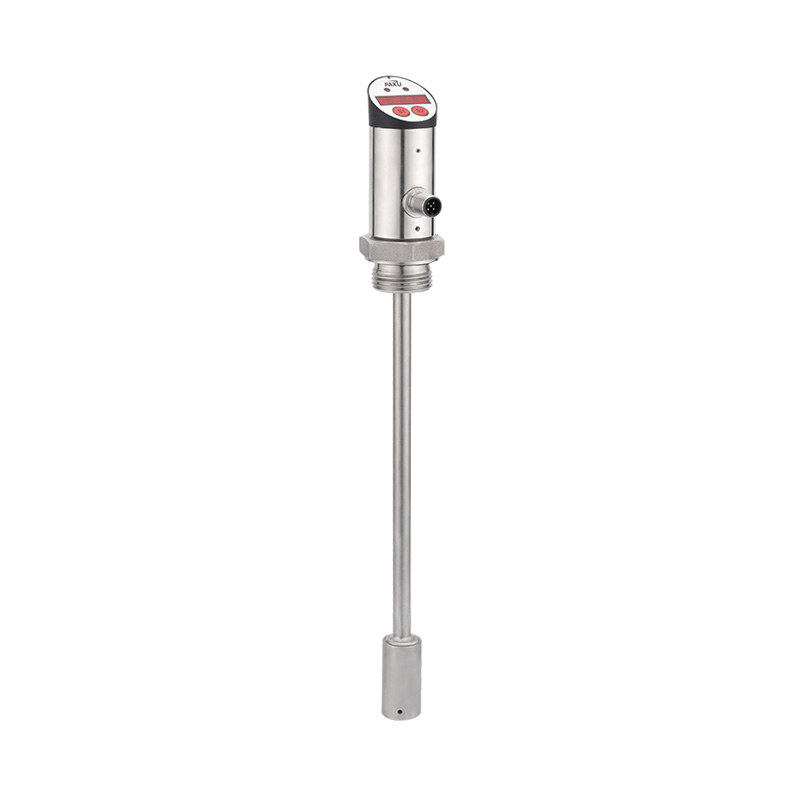
Liquid level series devices are specialized instruments designed to monitor, control, and manage fluid levels in industrial tanks, pipelines, and process equipment. These devices range from simple sight glasses and float switches to advanced ultrasonic, radar, and capacitive sensors. By providing real-time monitoring and precise control, liquid level series instruments play a crucial role in enhancing operational safety, process efficiency, and resource management across various industries.
In modern industrial facilities, accurate fluid management is critical to prevent overflows, spillage, and equipment damage. Liquid level series devices integrate seamlessly with automation systems, offering both manual and automated control capabilities, improving decision-making and reducing operational risk.
Enhancing Safety in Fluid Management
Safety is a primary concern when managing liquids in chemical, pharmaceutical, food processing, and water treatment industries. Liquid level series devices provide multiple safety advantages by monitoring and controlling fluid levels precisely.
Preventing Overflows and Spills
Automated level sensors and alarms alert operators before fluid tanks reach critical levels, preventing hazardous spills and environmental contamination. This proactive monitoring reduces the likelihood of accidents and ensures compliance with safety regulations.
Reducing Equipment Damage
Maintaining proper fluid levels prevents pump dry-running, cavitation, and corrosion in pipelines and storage tanks. Liquid level devices help safeguard costly equipment, extending service life and minimizing repair or replacement expenses.
Supporting Hazardous Material Handling
In industries dealing with chemicals, acids, or flammable liquids, liquid level series instruments provide non-contact measurement options, reducing operator exposure to hazardous materials while maintaining accurate readings and safe handling procedures.
Improving Operational Efficiency
Efficient fluid management is vital for production continuity, energy conservation, and process optimization. Liquid level series devices provide actionable data that enables better decision-making and automation.
Real-Time Monitoring and Automation
Advanced sensors provide continuous, real-time fluid level data to control systems, enabling automated filling, draining, and mixing operations. This reduces manual intervention, improves production efficiency, and ensures consistent process outcomes.
Optimized Resource Utilization
Accurate level measurements prevent overuse or wastage of liquids, reducing material costs and energy consumption. This is especially critical in industries with high-volume or high-value fluids, such as chemicals, fuels, and beverages.
Integration with Process Control Systems
Liquid level series devices can interface with PLCs, SCADA systems, and IoT-enabled platforms. Integration allows for automated alerts, remote monitoring, predictive maintenance, and detailed reporting, enhancing overall plant efficiency.
Types of Liquid Level Series Devices
Different types of liquid level series devices cater to diverse industrial needs. Selecting the appropriate type is essential for accuracy, reliability, and safety.
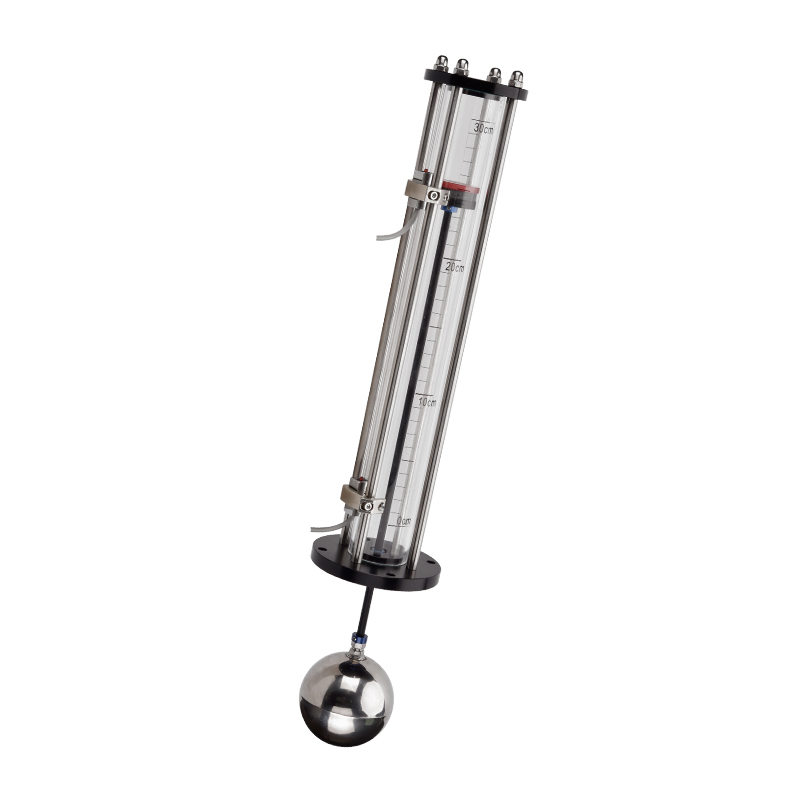
- Float Switches: Simple mechanical devices used for basic level detection and alarm signaling.
- Ultrasonic Sensors: Non-contact measurement with high accuracy, suitable for corrosive or hazardous liquids.
- Radar Level Transmitters: Advanced, non-contact measurement for highly accurate monitoring in large tanks or extreme environments.
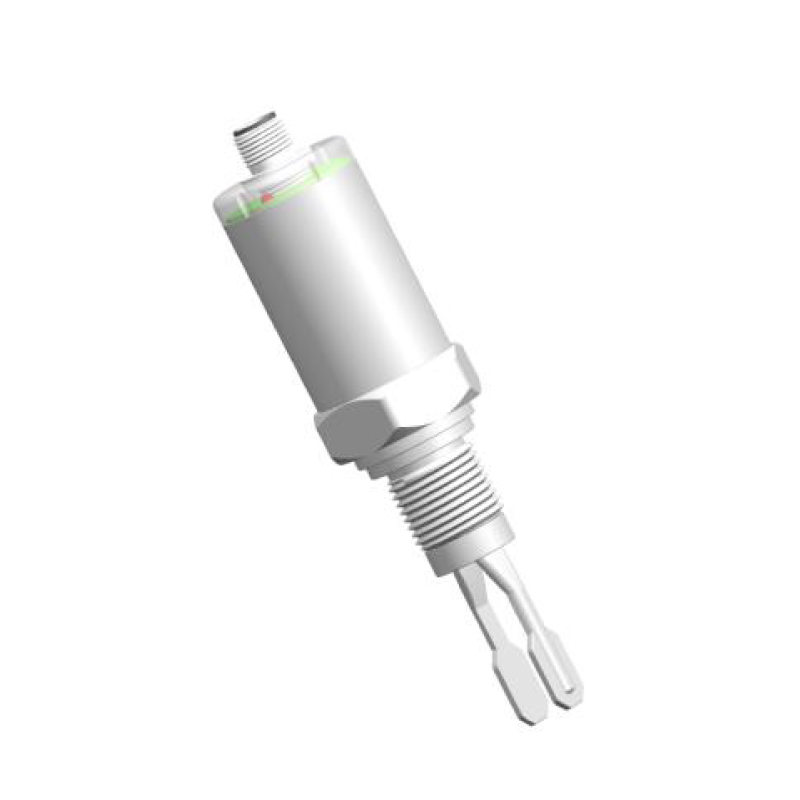
- Capacitive Sensors: Detect changes in liquid level through changes in capacitance, effective for a variety of fluid types.
Applications in Various Industries
Liquid level series instruments are essential in industries that require precise fluid control, safety, and operational efficiency.
- Chemical Processing: Managing corrosive, volatile, or hazardous liquids safely.
- Water Treatment: Monitoring tanks and reservoirs to ensure proper flow and chemical dosing.
- Food and Beverage Industry: Maintaining consistent ingredient levels and minimizing spillage.
- Pharmaceutical Manufacturing: Precise control of liquids for mixing, reactions, and sterile processes.
Comparing Liquid Level Series Devices
Different liquid level devices vary in accuracy, durability, and suitability for specific applications.
| Device Type | Accuracy | Best Use Case | Maintenance |
| Float Switch | Moderate | Simple tank alarms | Low |
| Ultrasonic Sensor | High | Hazardous or corrosive liquids | Moderate |
| Radar Transmitter | Very High | Large tanks, extreme environments | Low |
| Capacitive Sensor | High | Various fluid types | Moderate |
Future Outlook for Liquid Level Series
With increasing demand for automation, safety, and operational efficiency, liquid level series devices are expected to see widespread adoption in industrial facilities worldwide. Innovations in smart sensors, IoT connectivity, and non-contact measurement technologies will further enhance precision, reduce maintenance, and improve fluid management processes.
Investing in liquid level series instruments allows plants to improve safety, optimize resource usage, reduce downtime, and ensure compliance with environmental and safety regulations, making them a critical component of modern industrial operations.
information
 [email protected]
 +86-13386111894 / +86-021-37566990
[email protected]
 B-4th Floor, Lane 1313, Nanting Road, Nanqiao Town, Fengxian District, Shanghai, China

Product Links