

 +86-13386111894
 Products & Solutions
  en
en English
 Русский
 España
 عرب .
عرب .
If you need any help, please feel free to contact us
inquire
What Liquid Is in a Level? The Science Behind the Bubble Explained
The Short Answer: Alcohol, Not Water
If you have ever looked closely at a spirit level and wondered what that glowing liquid inside the vial actually is, the answer might surprise you. It is not water. The liquid in a spirit level is alcohol — most commonly ethanol — which is why this tool has been called a "spirit level" for centuries. The word "spirit" is simply an old synonym for alcohol, and the name has stuck ever since the tool was first developed in the seventeenth century.
The sealed glass or acrylic vial is deliberately not filled all the way. The small space left at the top becomes the air bubble that does all the work — floating to the highest point of the vial and centering itself between two marked lines when the surface beneath is perfectly level.
Why Alcohol Works Better Than Water
Water seems like the obvious candidate — it is cheap, clear, and universally available. But water has serious practical disadvantages that make it a poor choice for a precision measuring tool.
- Freezing point: Water freezes at 0°C. Ethanol freezes at approximately −114°C. A spirit level used on a winter construction site or in a cold warehouse would be completely useless — and potentially cracked — if filled with water. Alcohol remains fluid across the entire range of temperatures a level is likely to encounter in real-world use.
- Viscosity and surface tension: Alcohol has lower viscosity and lower surface tension than water, which allows the bubble to move quickly and settle accurately with minimal drag against the vial wall. A water-filled level would feel sluggish and less responsive — a critical flaw when precision matters.
- Expansion on freezing: Water expands when it freezes, which can crack or shatter the vial entirely. Alcohol does not expand this way, so it is far safer for the long-term integrity of the tool.
- Clarity: Alcohol possesses a natural optical clarity that makes the bubble easy to see, especially when combined with a colorant.
Together, these properties make alcohol the near-ideal fluid for this application — a conclusion that engineers reached over three hundred years ago and have not needed to revise since.
What Exactly Is in the Liquid? The Full Formula
While "alcohol" covers the basic answer, the actual liquid formulation in a modern spirit level is more nuanced than pure ethanol. Different manufacturers use proprietary blends, but the general composition typically includes several ingredients working together.
Ethanol remains the primary component, providing the low freezing point and low viscosity that are essential to performance. However, modern production-grade vials often incorporate a mixture of ethanol, ethylene glycol, glycerol, and water in carefully controlled ratios. Ethylene glycol further lowers the freezing point and stabilizes the fluid across a broader temperature range. Glycerol can be added in small amounts to fine-tune the viscosity — slowing the bubble slightly for easier reading without making it sluggish. Some manufacturers use a coloured low-viscosity mineral oil blend instead of an alcohol base, which offers excellent UV resistance and consistent bubble movement between −20°C and +60°C.
The manufacturing process itself is precise: each vial is filled by machine to an exact volume, leaving only the space necessary to form a correctly sized bubble. The bubble's diameter is calibrated to fit neatly between the two guideline marks on the vial, and automated camera systems inspect every unit to verify bubble size and position before the vial is sealed.
Why Is the Liquid Green or Yellow?
The distinctive yellowish-green color of the liquid in a spirit level is not arbitrary. A colorant — typically fluorescein — is dissolved into the fluid. Fluorescein is a fluorescent dye that glows brightly under normal light and even more intensely under UV light, making the bubble highly visible in a wide range of lighting conditions, including dim interior spaces and bright outdoor environments.
The choice of a yellow-green hue is backed by visual science. The human eye is more sensitive to yellow-green wavelengths than to any other part of the visible spectrum, which means the bubble is easier to read accurately in that color range than it would be in, say, blue or red. This is the same reason that safety vests and emergency vehicles often use high-visibility yellow-green — it is simply the color our eyes pick up fastest and most precisely.
A small number of manufacturers use other colors, but yellow-green has become the de facto industry standard precisely because of its proven readability advantage.
How the Bubble Actually Works
Understanding the liquid answers half the question. The other half is the physics of the bubble itself.
The vial is slightly curved — its inner surface follows the arc of a circle with a very large radius. Because of this upward curve, the air bubble naturally migrates to the highest point of the vial, which is the center when the tool is perfectly level. As soon as the surface tilts, the highest point shifts away from center, and the bubble follows immediately. The two marked lines on the vial define the acceptance zone: if the bubble sits entirely between them, the surface is level within the tool's specified tolerance.
For tools that must also work upside-down or on their side, manufacturers use a barrel-shaped vial — one with a slightly larger diameter in the middle — rather than a uniformly curved tube. This ensures the bubble still gravitates to the correct reference position regardless of orientation. Bull's-eye levels use a circular dish-shaped vial that indicates level across a full 360-degree plane rather than a single axis, making them useful for surfaces that need to be levelled in every direction simultaneously.
The sensitivity of the level — how far the bubble moves for a given angle of tilt — is determined by the radius of curvature of the vial. A more gently curved vial (larger radius) produces a more sensitive instrument. Professional and engineer's levels use very gentle curves and can resolve deviations as small as 0.5 mm per metre, while a standard carpenter's level operates at a much coarser tolerance appropriate for everyday construction work.
From Spirit Levels to Industrial Liquid Level Sensing
The spirit level uses the behavior of a liquid and a bubble to detect the position of a surface relative to horizontal. Industrial liquid level sensing flips this concept: instead of using a liquid to find level, sensors detect the position of a liquid surface itself — and the applications are far more demanding than hanging a picture frame straight.
In petroleum storage, chemical processing, water treatment, food and beverage production, and hydraulic systems, knowing the exact level of a liquid in a tank or vessel is critical to safety, efficiency, and regulatory compliance. Modern liquid level sensors accomplish this through a range of physical principles, each suited to different conditions.
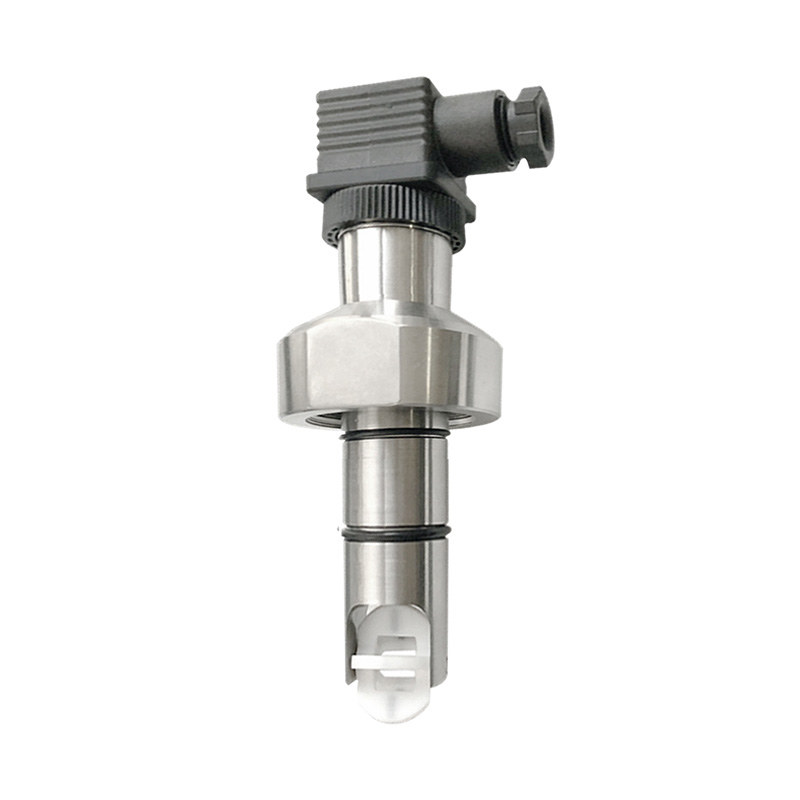
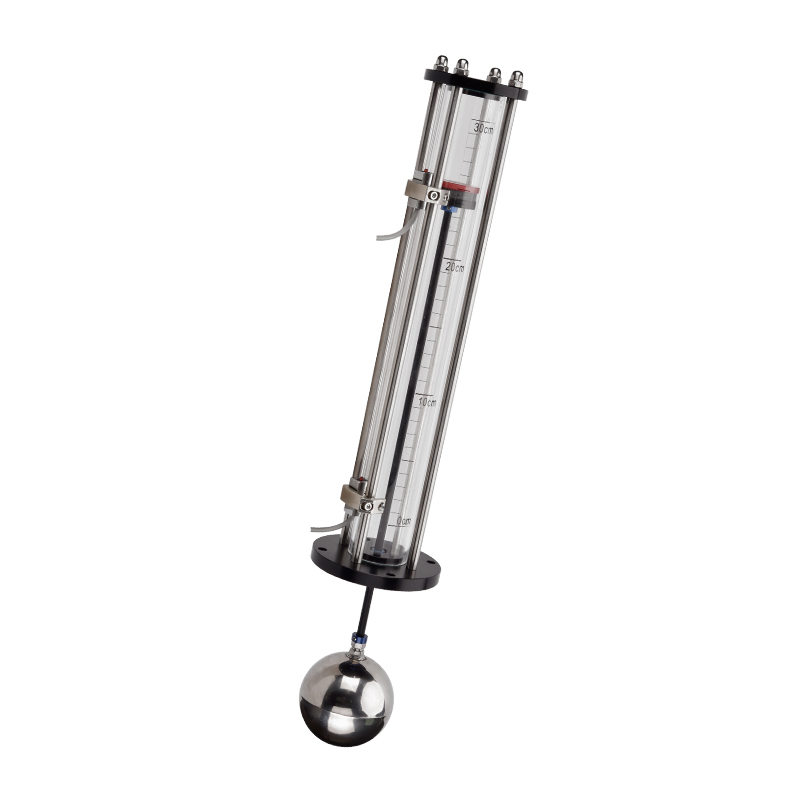
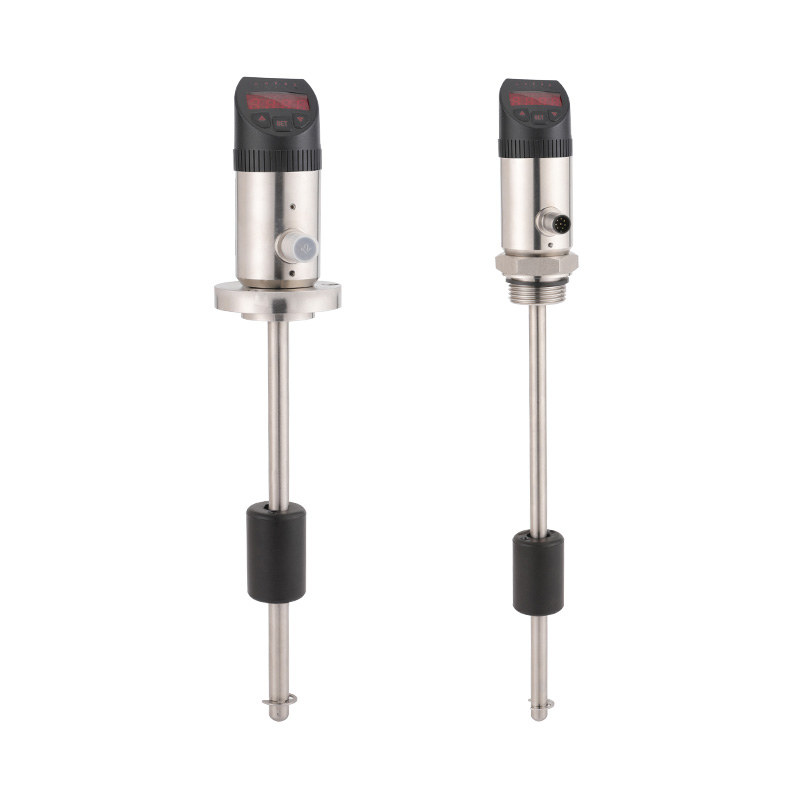
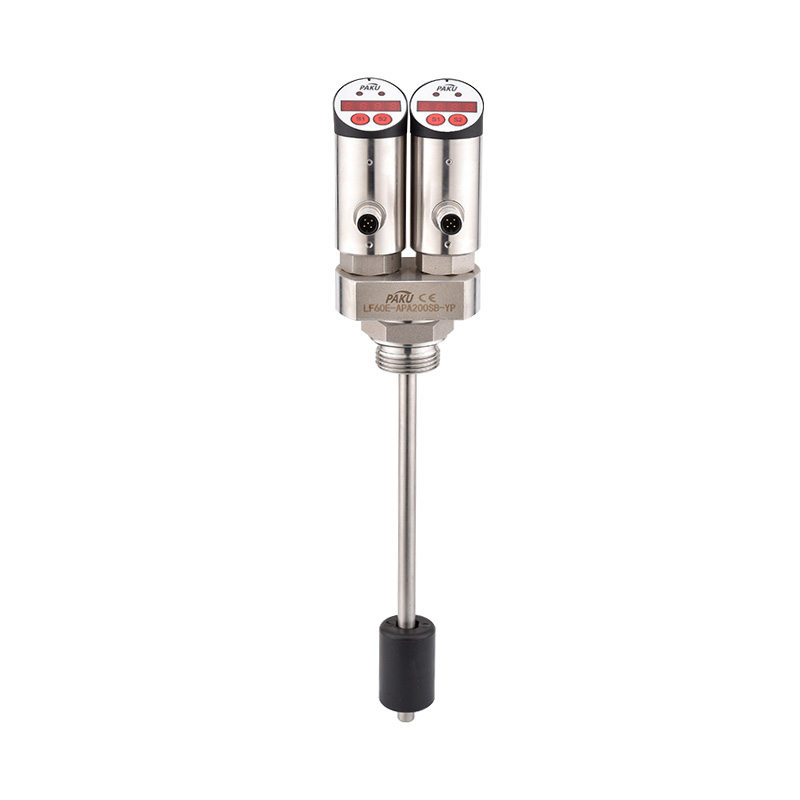
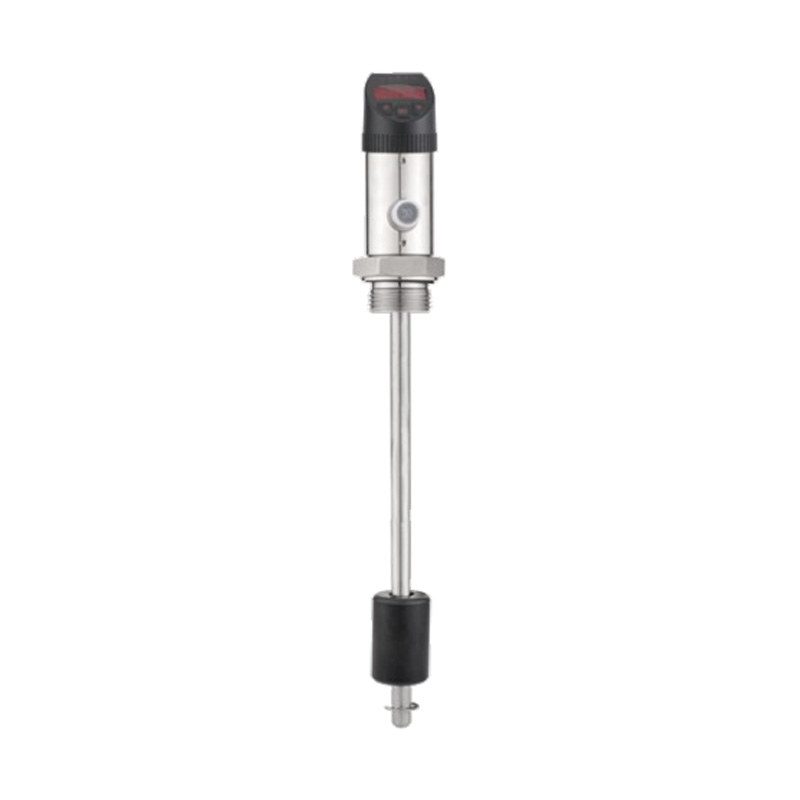
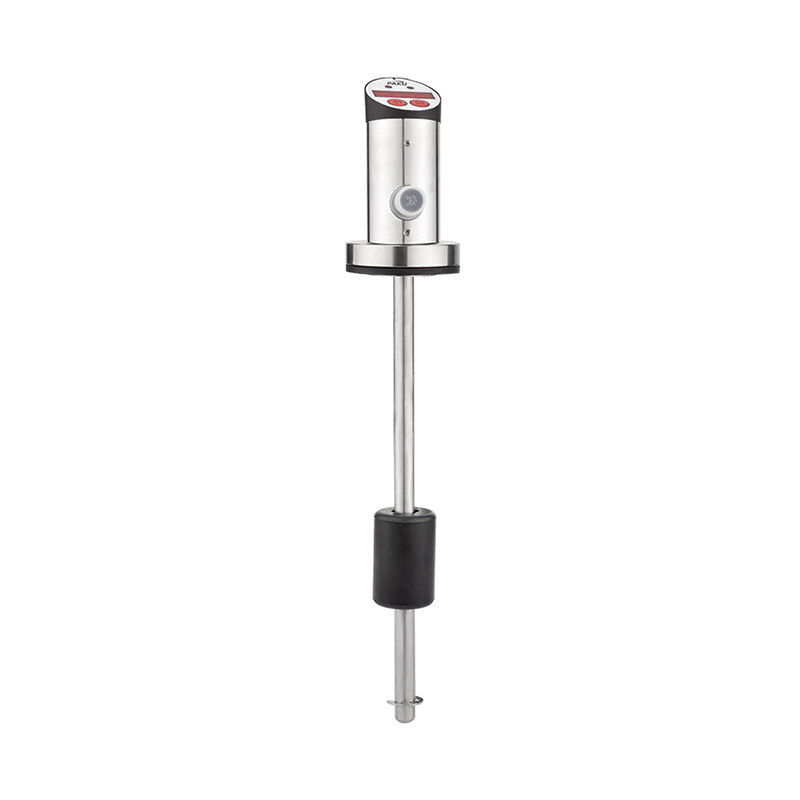
- Float-type sensors use a magnetic float that rises and falls with the liquid surface, triggering a reed switch inside a sealed stainless steel tube — a principle not entirely different from the bubble in a spirit level vial, scaled up for industrial duty.
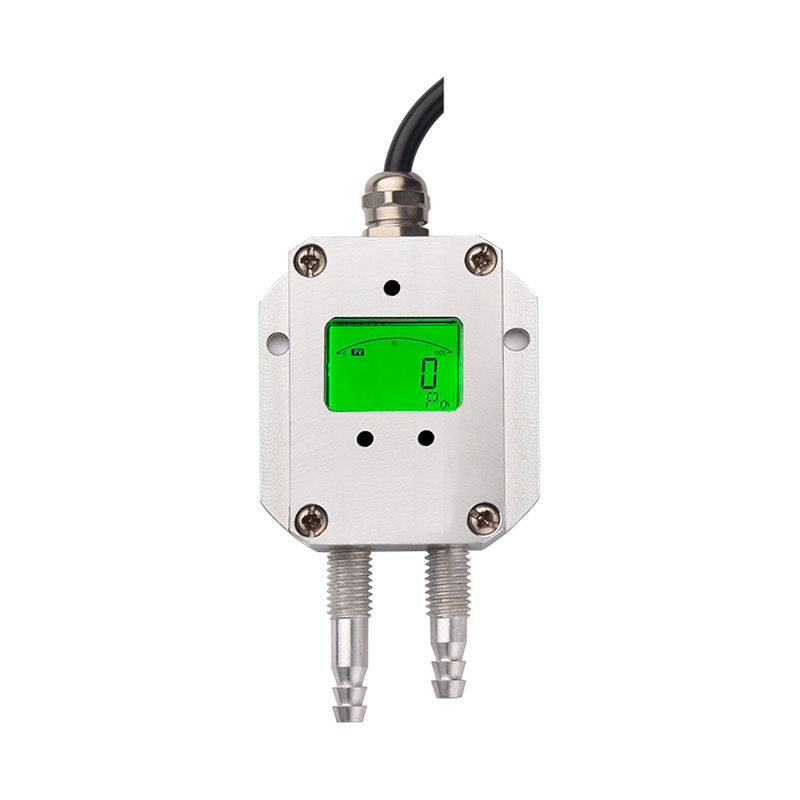
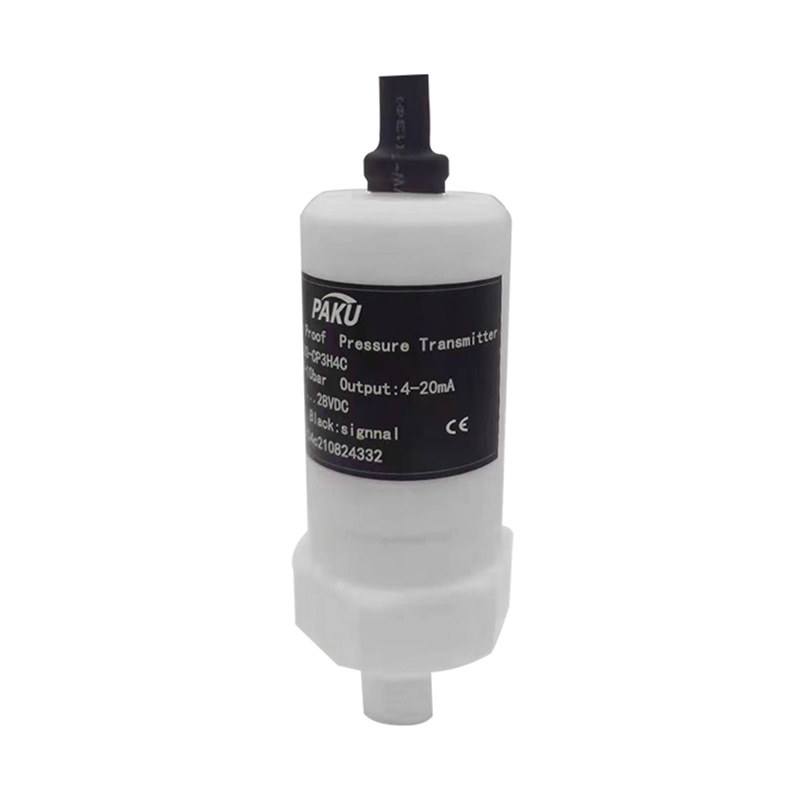
- Submersible static pressure transmitters measure the hydrostatic pressure at the base of a liquid column and convert that reading directly to a liquid level height — accurate, robust, and suitable for deep tanks.
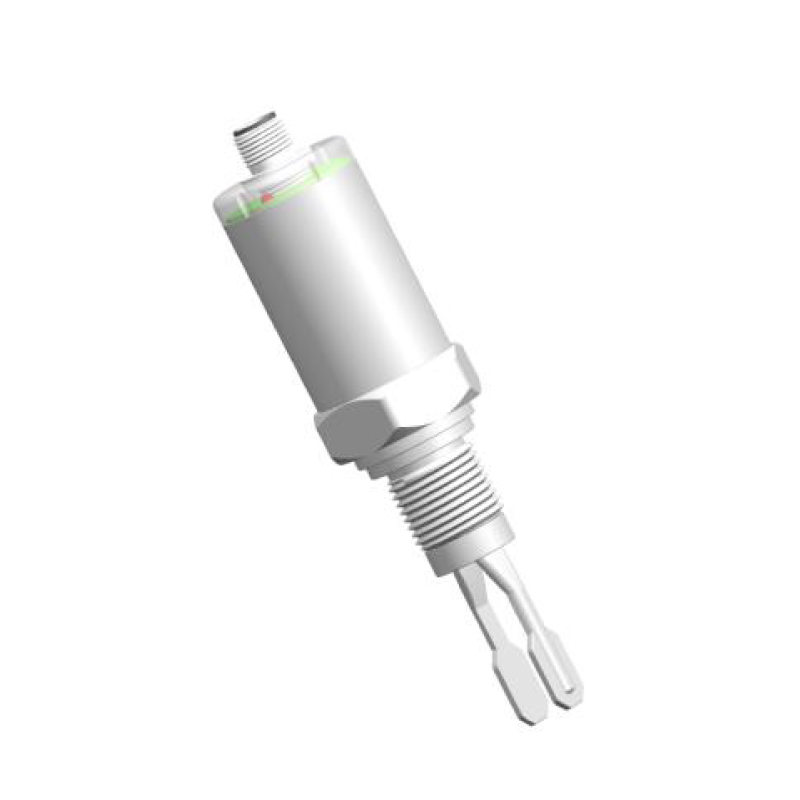
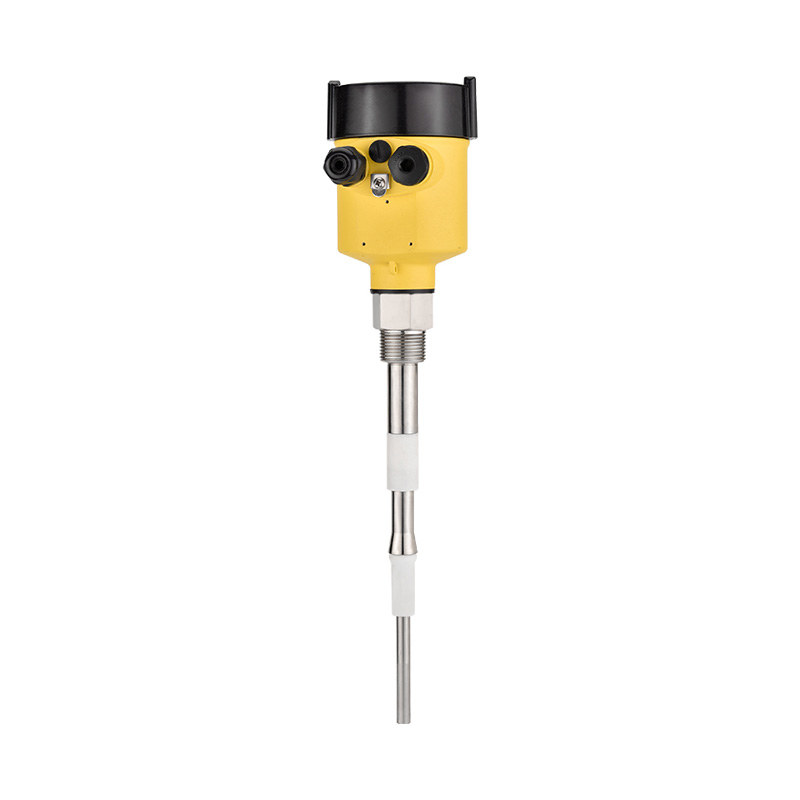
- Tuning fork and vibration switches detect whether the sensor tip is submerged by monitoring changes in resonant frequency, providing a simple and reliable point-level alarm with no moving parts.
- Magnetic induction sensors combine the reliability of a float with electronic signal processing to deliver precise switch signals suitable for direct integration with PLCs and control systems.
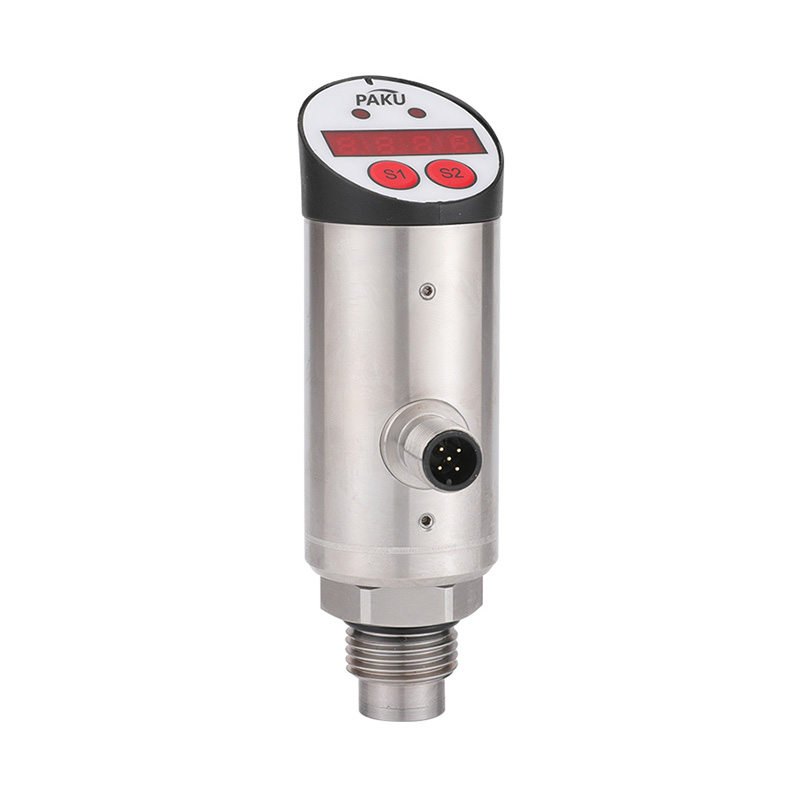
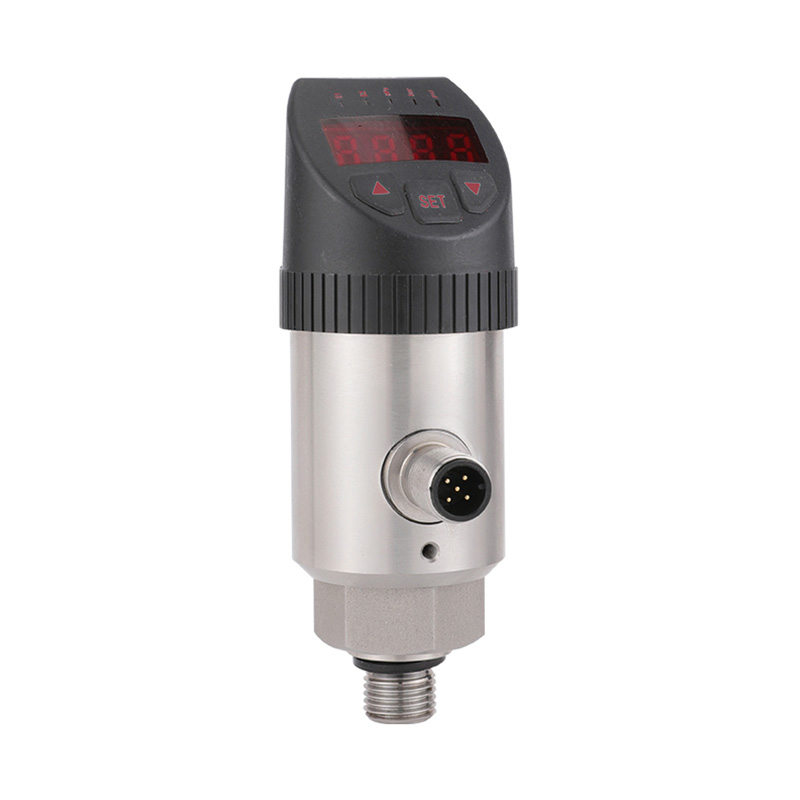
For applications that require continuous output rather than simple on/off switching, liquid level transmitters convert the measured level into a standardized 4–20 mA or digital signal that feeds directly into SCADA and automation systems. Where point detection at a defined threshold is sufficient, liquid level switches offer a cost-effective and highly reliable solution for pump control, overfill protection, and low-level alarms.
The common thread between a carpenter's spirit level and an industrial float sensor is the same: gravity, buoyancy, and the predictable behavior of liquids are the foundation of accurate level measurement, whether the goal is a straight shelf or the safe operation of a chemical reactor.
Conclusion
The liquid in a spirit level is alcohol — typically ethanol or a proprietary ethanol-based blend — chosen for its low freezing point, low viscosity, optical clarity, and chemical stability. A fluorescent yellow-green dye makes the bubble easy to read in any lighting condition, and the slight curvature of the vial ensures the bubble always settles at the highest point, which aligns with center when the surface is level. It is a beautifully simple solution to a precision measurement problem, refined over three centuries of practical use.
For industrial environments where liquid levels must be measured, monitored, and controlled automatically, the same underlying physics drives a much broader range of sensor technologies. If you need guidance on selecting the right level sensing solution for your application, our engineering team is available to help.
information
 [email protected]
 +86-13386111894 / +86-021-37566990
[email protected]
 B-4th Floor, Lane 1313, Nanting Road, Nanqiao Town, Fengxian District, Shanghai, China

Product Links