

 +86-13386111894
 Products & Solutions
  en
en English
 Русский
 España
 عرب .
عرب .
If you need any help, please feel free to contact us
inquire
How does liquid level equipment prevent liquid leakage?
Introduction to Liquid Level Equipment
Liquid level equipment is essential for monitoring and managing fluid levels in tanks, pipelines, and industrial systems. Its primary function is to detect, measure, and control liquid levels to prevent overflows, dry running, and potential leakage. Effective liquid level monitoring is crucial in industries such as chemical processing, water treatment, petroleum, and food production where uncontrolled spills can cause safety hazards, environmental damage, and financial loss.
By integrating sensors, alarms, and automated control systems, liquid level equipment ensures precise monitoring and timely intervention. This article explores how these devices prevent liquid leakage, highlighting different technologies, applications, and maintenance practices for optimal performance.
Key Technologies Used in Liquid Level Equipment
Liquid level equipment employs various technologies, each suited for specific applications and fluids. The choice of technology affects accuracy, response time, and leak prevention efficiency.
Float-Based Level Sensors
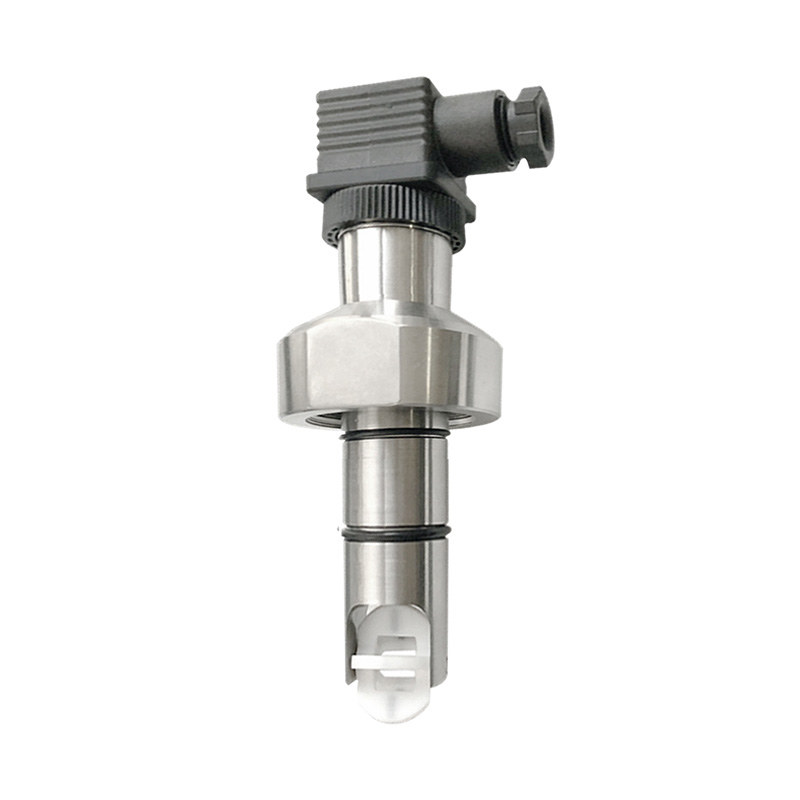
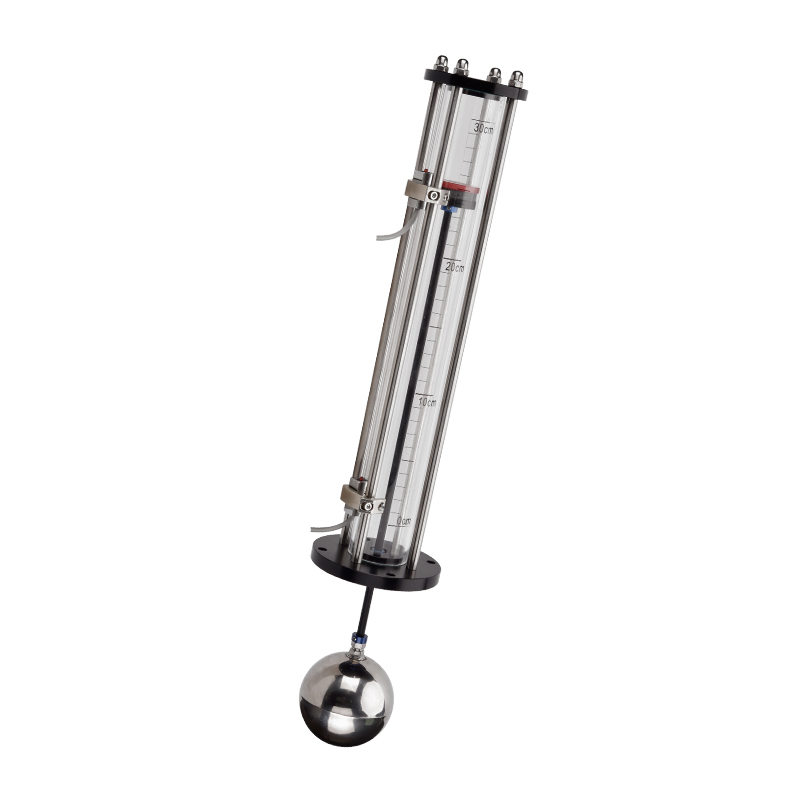
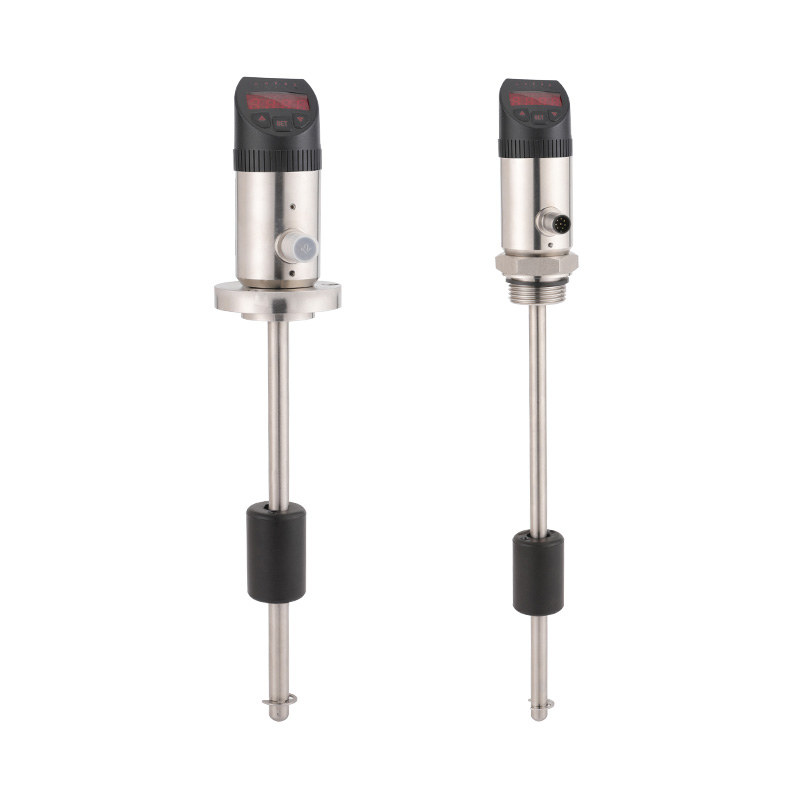
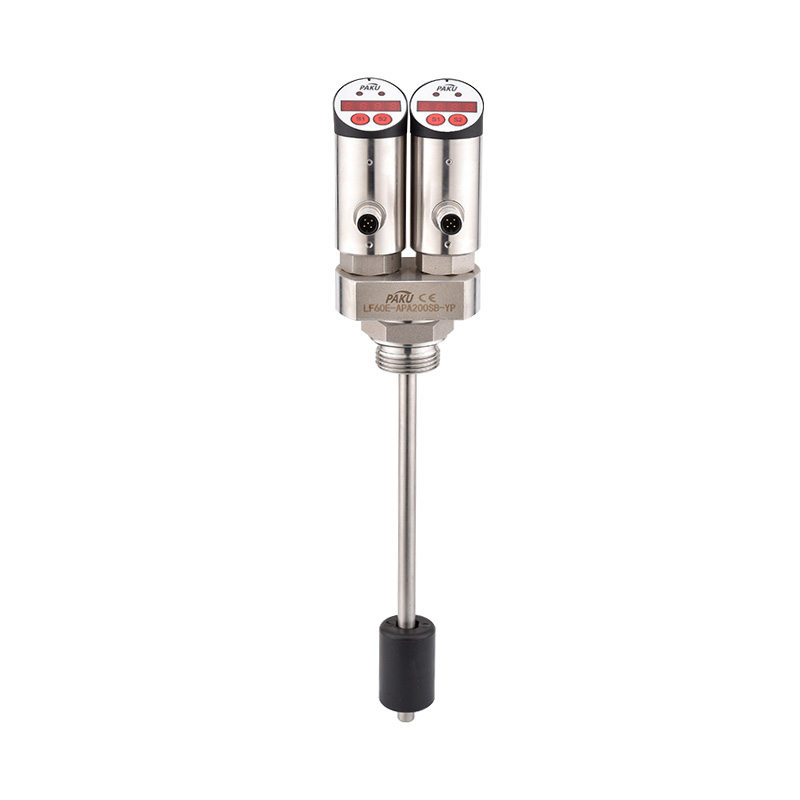
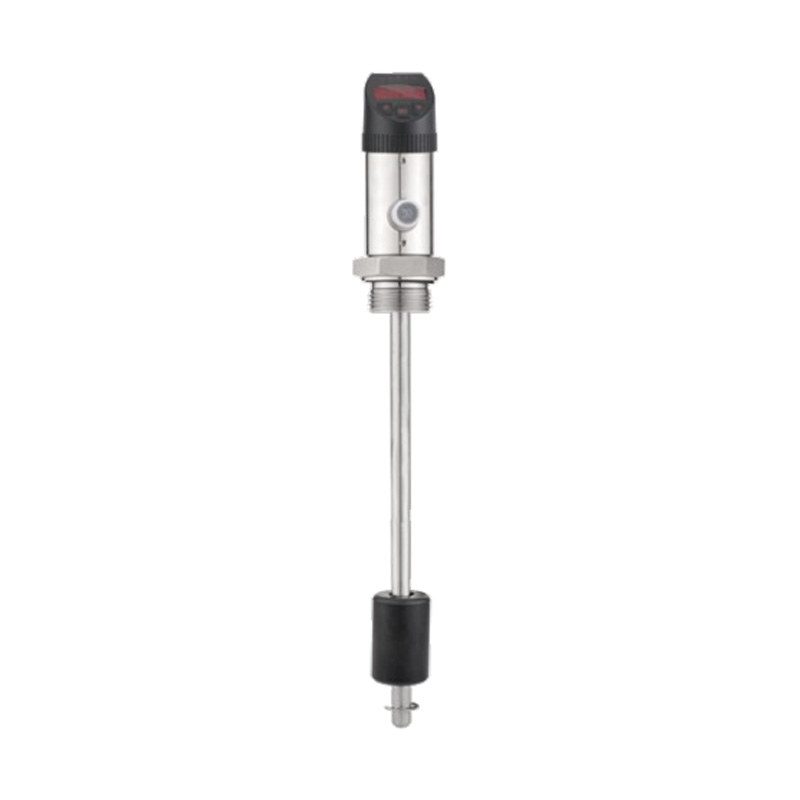
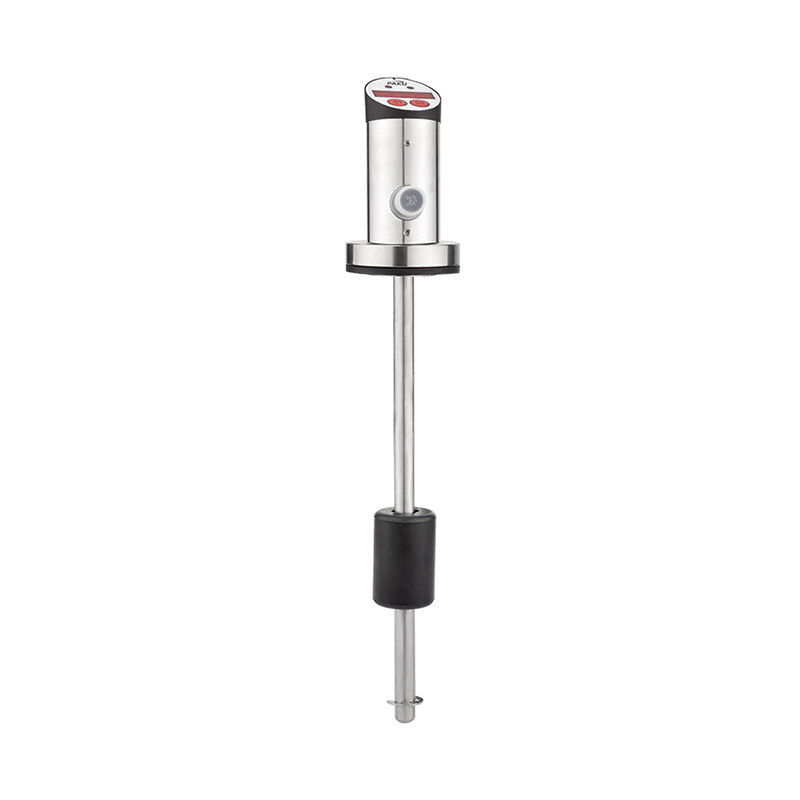
Float sensors consist of a buoyant element that rises and falls with the liquid level. When the float reaches a preset threshold, it triggers a switch or alarm to indicate a full or empty tank, preventing overflow or dry running. These sensors are simple, reliable, and effective for non-corrosive liquids.
Ultrasonic and Radar Level Sensors
Ultrasonic sensors emit sound waves that reflect off the liquid surface, while radar sensors use electromagnetic waves. Both measure liquid levels without direct contact, reducing the risk of contamination or mechanical failure. These technologies are highly precise, suitable for corrosive, viscous, or hazardous liquids, and can trigger automated shutoff systems to prevent leaks.
Capacitive and Conductive Sensors
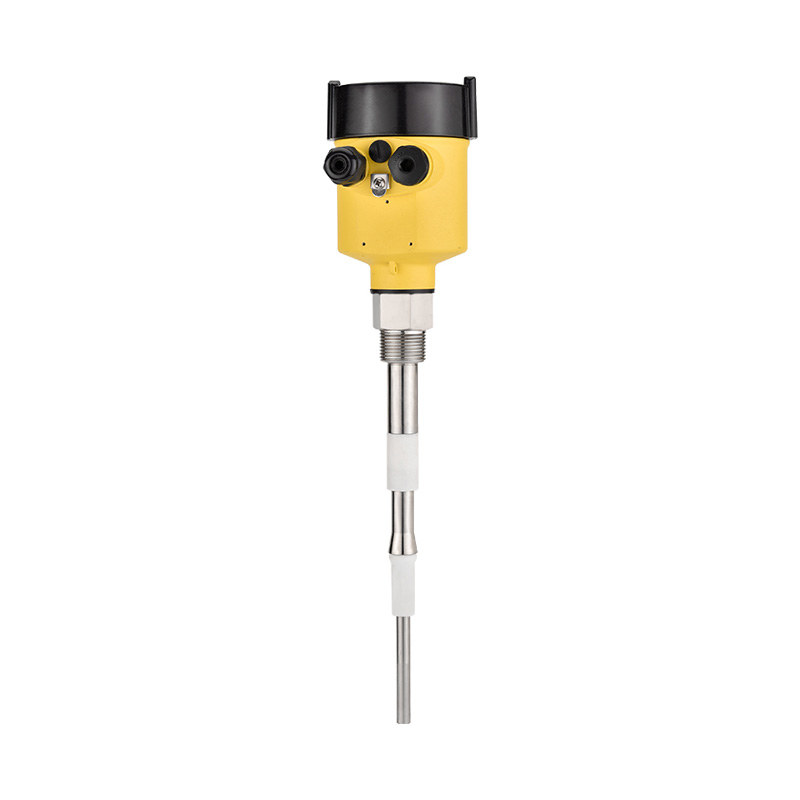
Capacitive sensors detect changes in capacitance caused by the presence of liquid, while conductive sensors detect electrical conductivity. These sensors provide continuous monitoring and can be integrated with automated control systems to stop pumps or close valves, effectively preventing overflow and leakage in industrial applications.
How Liquid Level Equipment Prevents Leaks
Liquid level equipment prevents leaks by combining detection, control, and alarm systems. By monitoring liquid levels in real-time, these systems provide early warnings and automatic responses to abnormal conditions.
Automatic Shutoff Mechanisms
When sensors detect a liquid level approaching the tank’s maximum capacity, the equipment can automatically stop the filling pump or close inlet valves. This prevents overfilling and reduces the risk of spillage.
Overflow Alarms
Audible and visual alarms alert operators when liquid levels exceed safe thresholds. Early warning allows timely intervention, minimizing the risk of leaks and equipment damage. These alarms are particularly important in unmanned or remote facilities.
Integration with Control Systems
Liquid level equipment can be connected to PLCs (Programmable Logic Controllers) or SCADA (Supervisory Control and Data Acquisition) systems. This integration enables automatic adjustment of pumps, valves, and other equipment based on real-time liquid level data, ensuring precise control and leak prevention.
Applications Across Industries
Different industries require customized liquid level solutions to prevent leakage and ensure operational safety. Below are key sectors and how liquid level equipment is applied.
Chemical and Petrochemical Plants
In chemical and petrochemical industries, precise level monitoring prevents hazardous spills. Sensors integrated with automated valves can immediately stop the flow of reactive or toxic liquids, minimizing environmental risks and compliance issues.
Water and Wastewater Treatment
Level sensors monitor tanks, reservoirs, and pipelines to prevent overflow or underflow. Automatic controls maintain safe operating levels, reduce water wastage, and prevent leakage into sensitive areas.
Food and Beverage Industry
Hygienic liquid level equipment ensures safe handling of water, juices, oils, and other consumables. Continuous monitoring and automated shutoff prevent contamination and spillage, maintaining product quality and safety.
Maintenance Practices to Ensure Leak Prevention
Proper maintenance of liquid level equipment is critical for reliable leak prevention. Regular inspection, calibration, and cleaning extend the life of sensors and ensure accurate performance.
Routine Inspection
Checking for mechanical wear, corrosion, or fouling ensures that sensors and floats function properly. Early detection of issues prevents system failures and potential leaks.
Calibration and Testing
Periodic calibration maintains sensor accuracy. Testing alarms, shutoff mechanisms, and control system responses ensures that the equipment operates effectively when liquid levels approach critical limits.
Cleaning and Lubrication
For float and mechanical sensors, cleaning prevents debris buildup that could impair movement. Lubrication of mechanical parts reduces friction and extends lifespan, ensuring consistent leak prevention.
Comparison of Liquid Level Equipment Types
| Sensor Type | Leak Prevention Efficiency | Best Use Case | Maintenance |
| Float Sensor | Moderate | Simple liquids, small tanks | Low |
| Ultrasonic/Radar | High | Hazardous/viscous liquids, large tanks | Moderate |
| Capacitive/Conductive | High | Industrial processes requiring continuous monitoring | Moderate |
Conclusion: Ensuring Safe Liquid Management
Liquid level equipment is a critical component in preventing liquid leakage across various industries. By combining accurate sensors, automated control systems, and regular maintenance, these devices ensure real-time monitoring and immediate response to abnormal conditions. Implementing liquid level equipment enhances safety, reduces environmental impact, and protects valuable resources, making it indispensable for modern industrial and commercial operations.
information
 [email protected]
 +86-13386111894 / +86-021-37566990
[email protected]
 B-4th Floor, Lane 1313, Nanting Road, Nanqiao Town, Fengxian District, Shanghai, China

Product Links